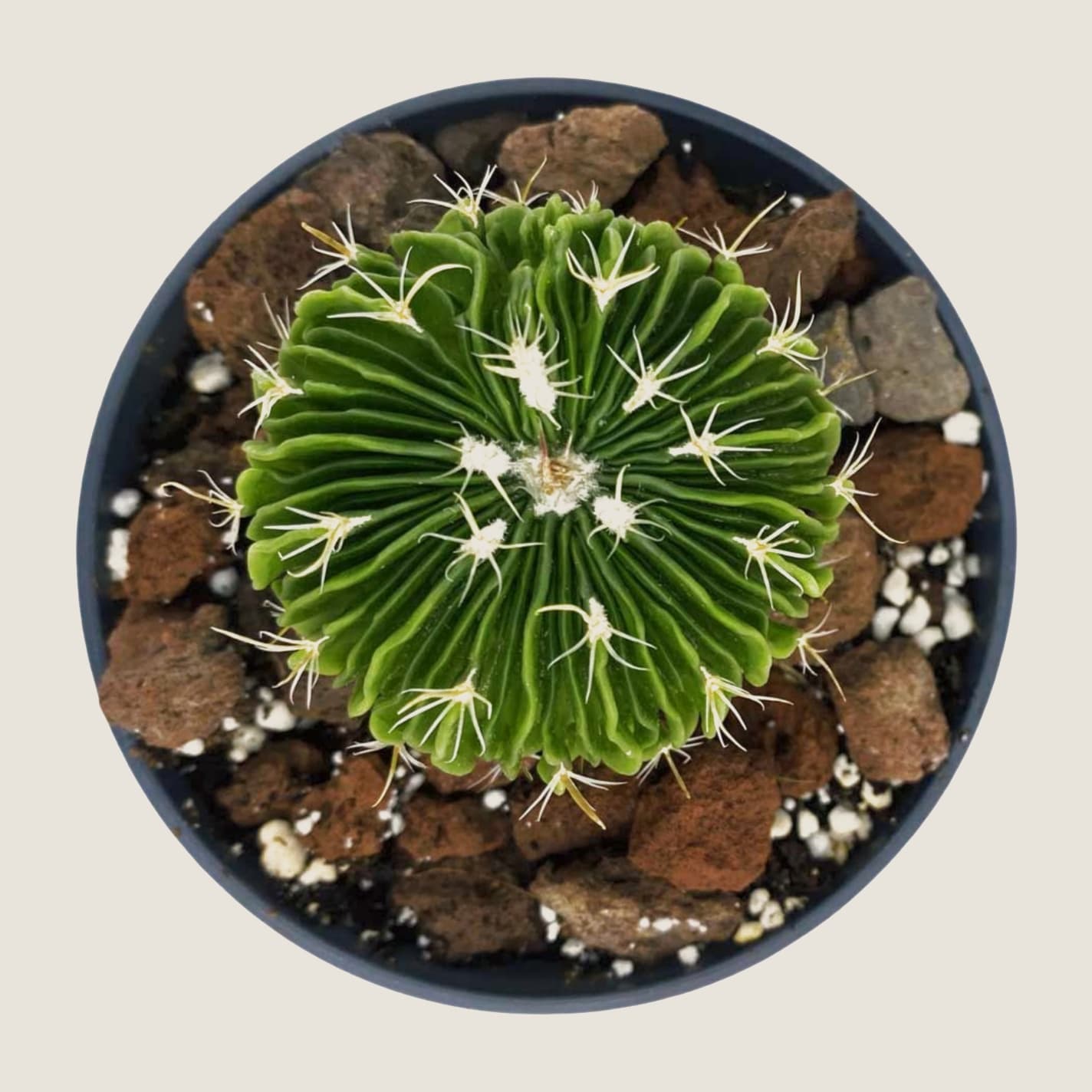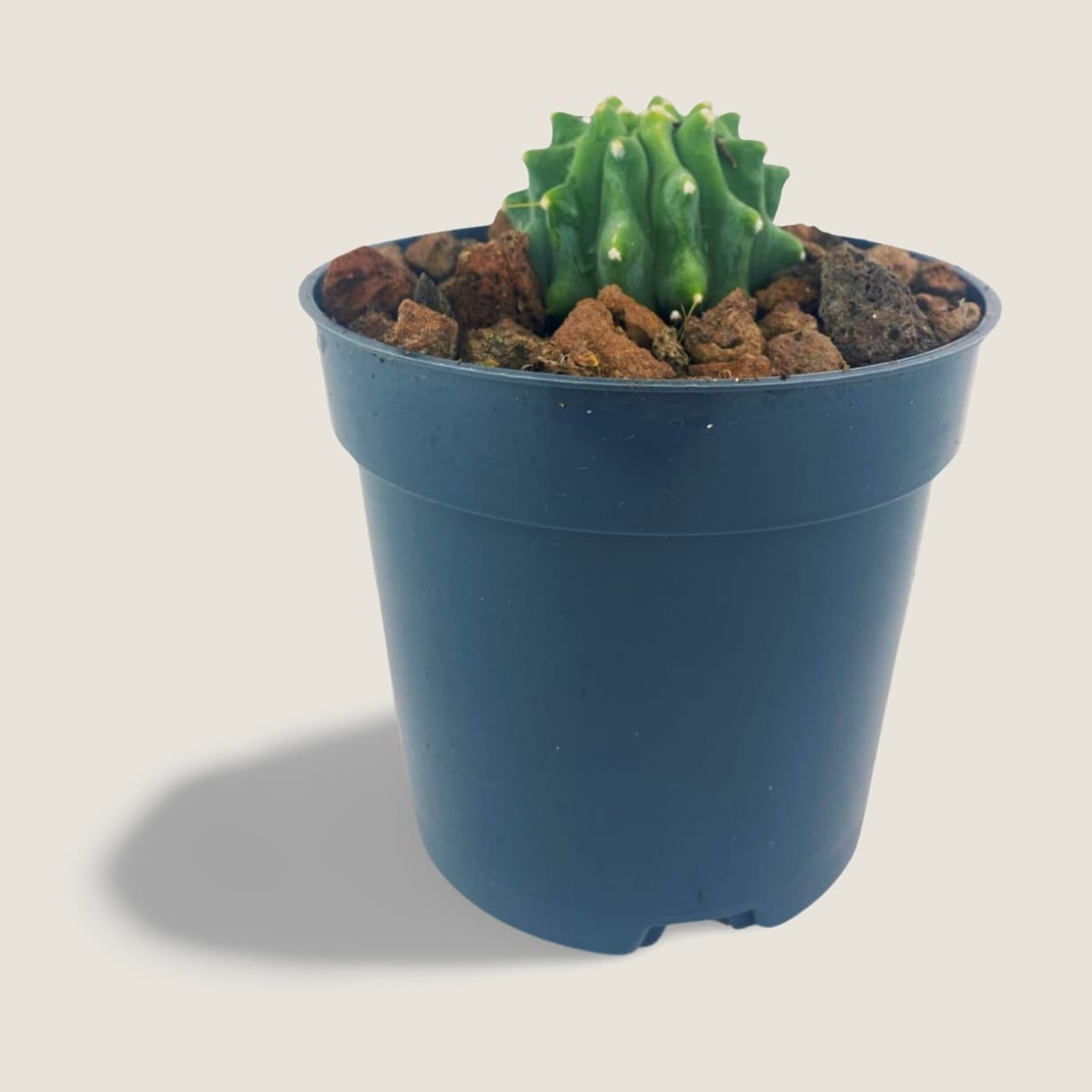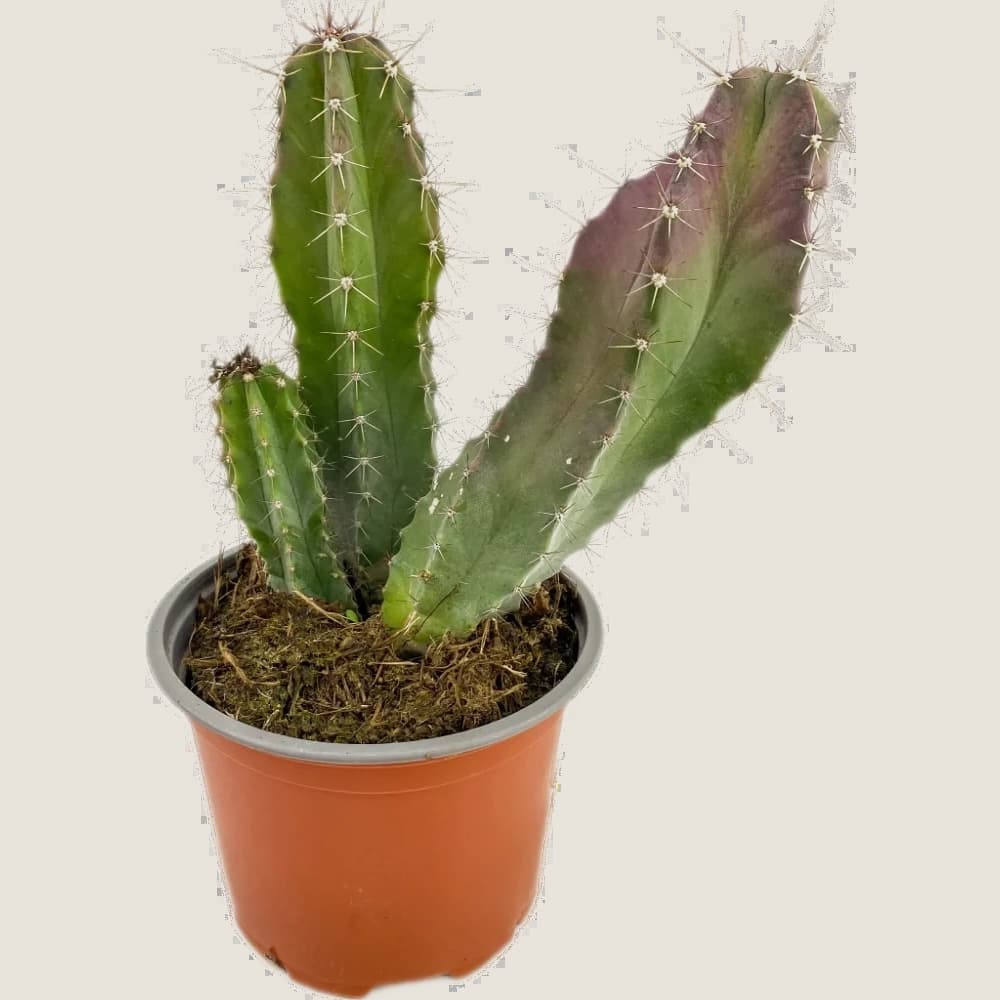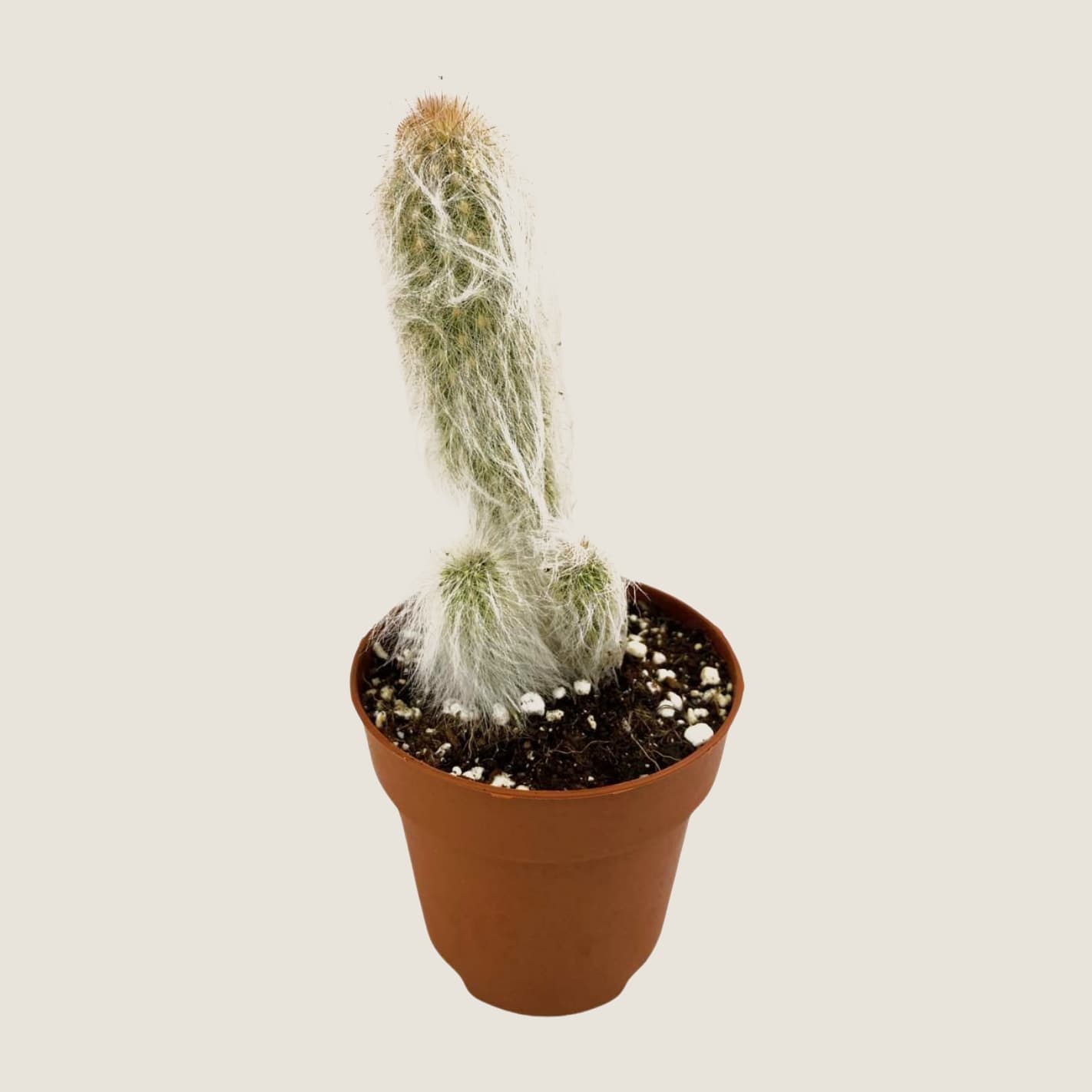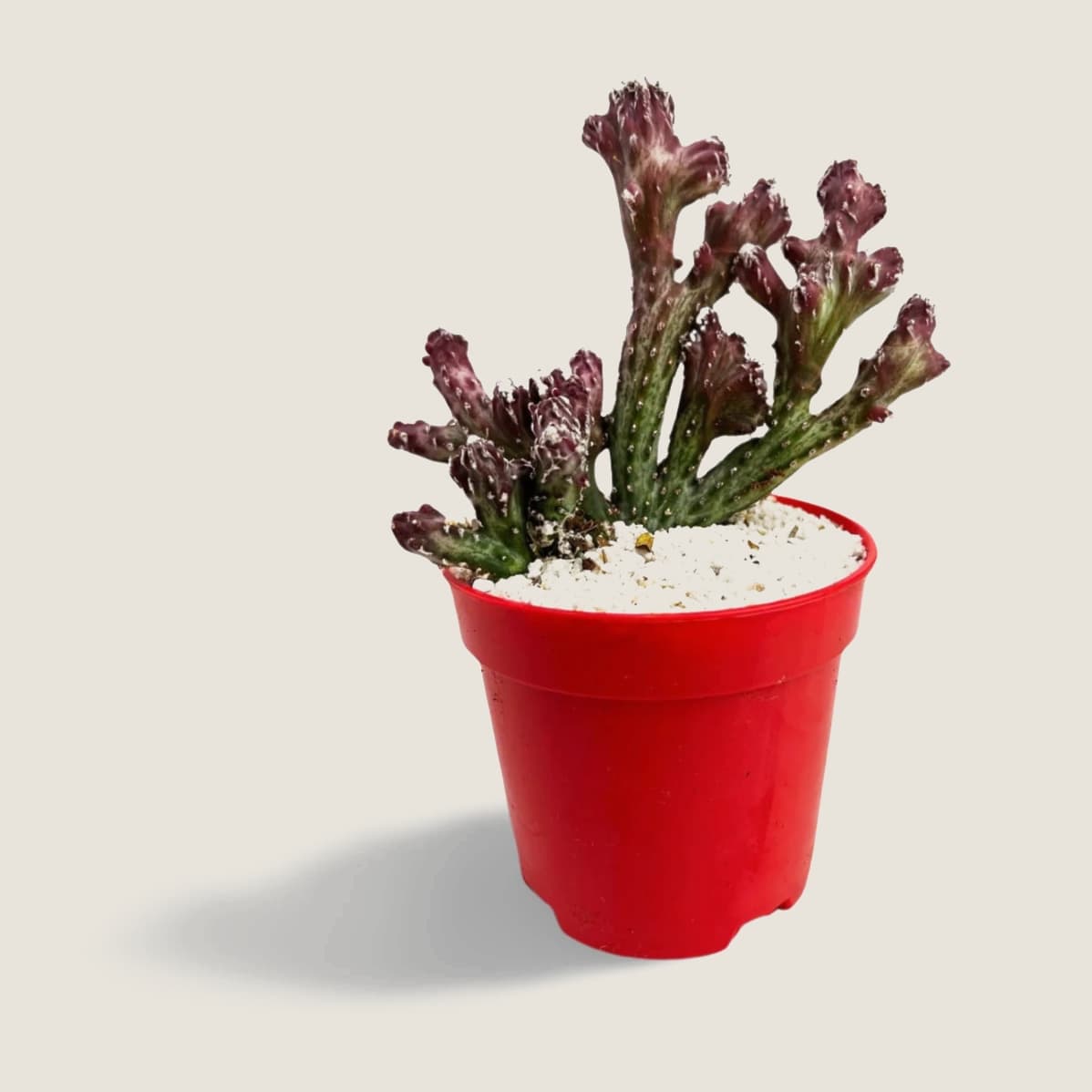
Cereus spegazzinii var. crested
CactaceaeCereus spegazzinii fma. crestada · a cactus of the Cactaceae family, a fast-growing columnar cactus with nocturnal flowers. Grown in our nursery in the Almería desert in full sun, with minimal watering and 100% mineral soil—the specimen in the photo is the one you will receive.
About Cereus spegazzinii fma. crestada
Known in botany as Cereus spegazzinii fma. crestada, this cactus belongs to the Cactaceae family and comes from South America and the Caribbean. It is characterized by columnar stem with marked ribs, an evolutionary adaptation that makes it a unique piece in the world of succulents.
At Succulentae we produce Cereus spegazzinii fma. crestada with artisanal technique in southeastern Spain, following a cultivation protocol that replicates the sun, dryness and mineral conditions of its native habitat. That's why you receive a robust plant, with marked natural color and hardened against sun and drought.
Botanical fact sheet
| Scientific name | Cereus spegazzinii fma. crestada | |
| Family | Cactaceae | |
| Origin | South America and the Caribbean | |
| Natural habitat | savannas and semi-arid zones | |
| Adult size | up to 10 m in habitat | |
| Flowering | large white nocturnal flowers lasting only one night | |
| Propagation | cutting or seed | |
| Toxicity | non-toxic |
Did you know?
Its flowers open after dusk and close at dawn; a single night is enough for the flower to be pollinated by bats and moths. The fruit of Cereus repandus is edible ("Peruvian apple").
Luz
Full direct sun
Riego
Sparse in summer; none in winter (dormancy)
Sustrato
Very free-draining mineral substrate, specific for cacti and succulents
Temperatura
Protect below 5 °C; tolerates some cold when dry