Cactus
Buy cactus online and bring home a little piece of the desert without leaving your city: at Succulentae we grow every plant ourselves in Almeria, on the sunny southern coast of Spain, where intense light and dry air produce compact, sturdy cacti. Our cacti for sale collection features more than 25 varieties, from popular favourites to true cactus plants online rarities that collectors love to hunt down.
25 plants in Cactus
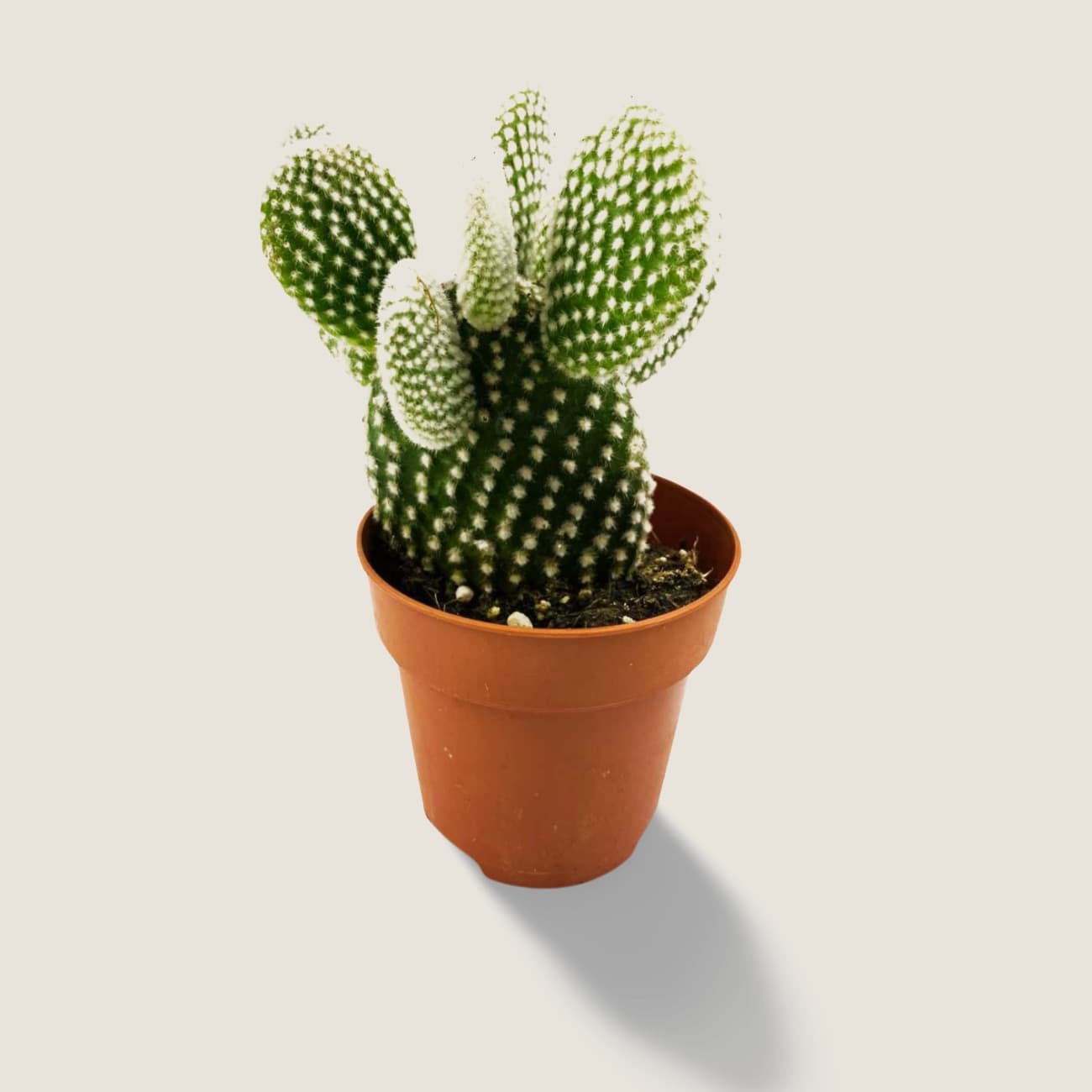
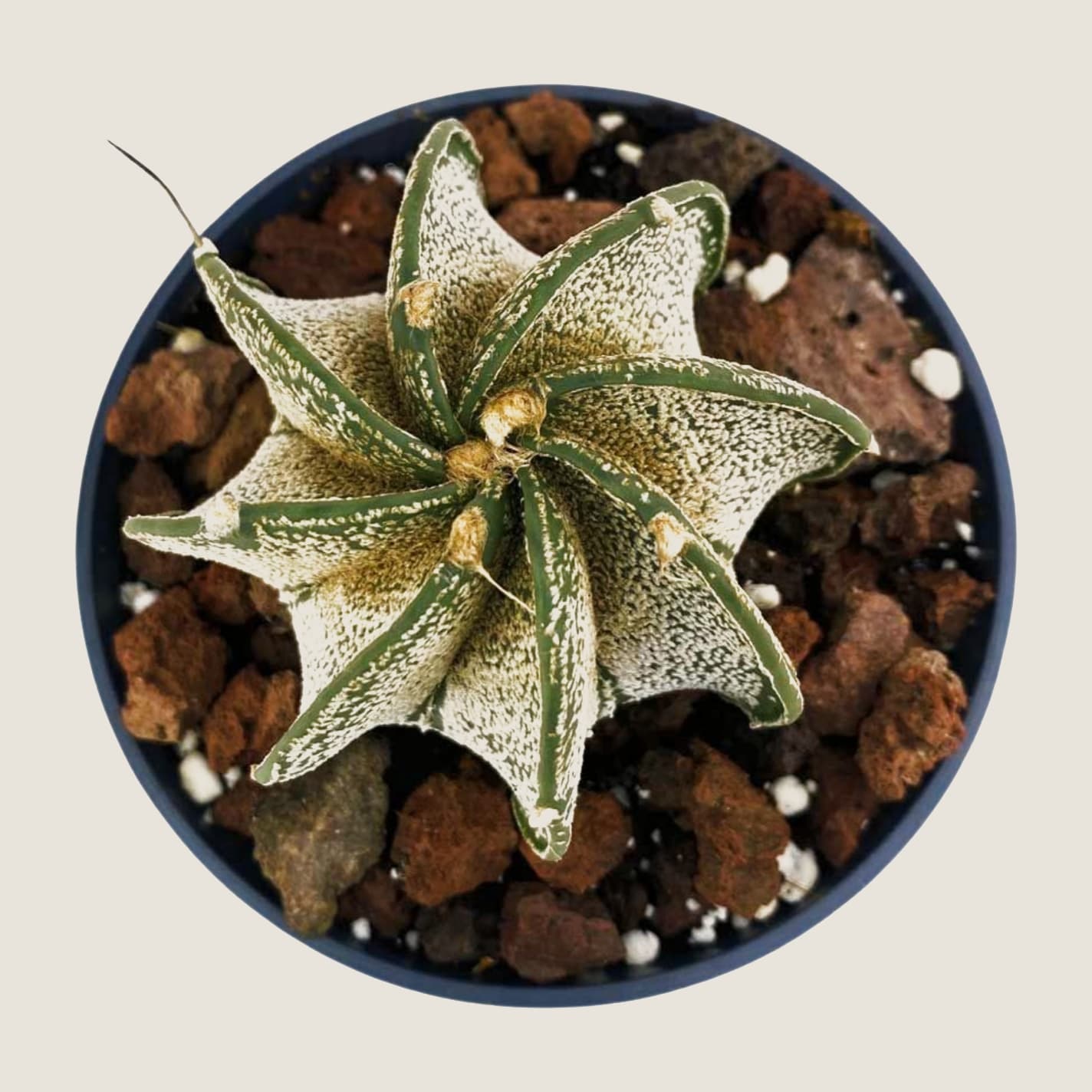
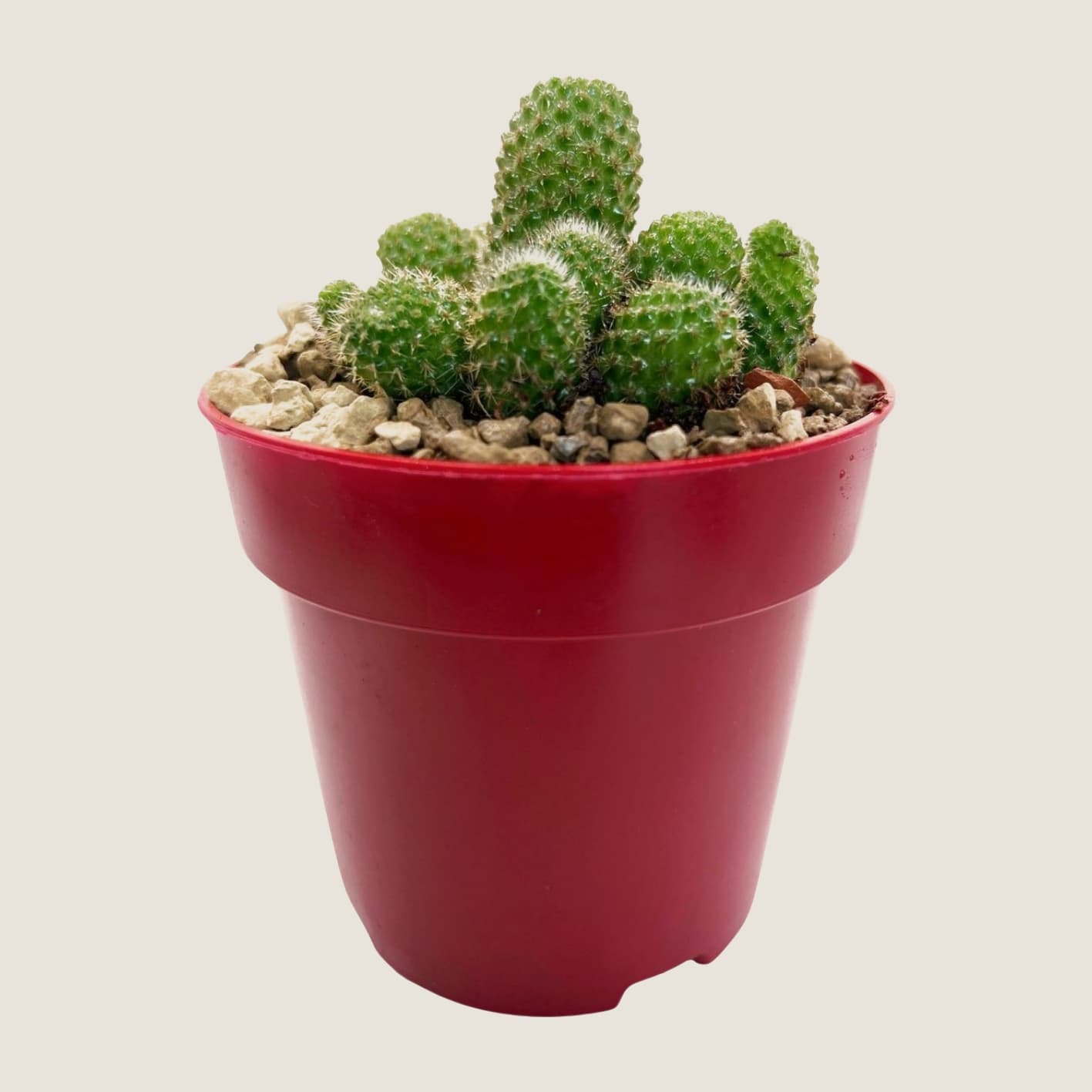
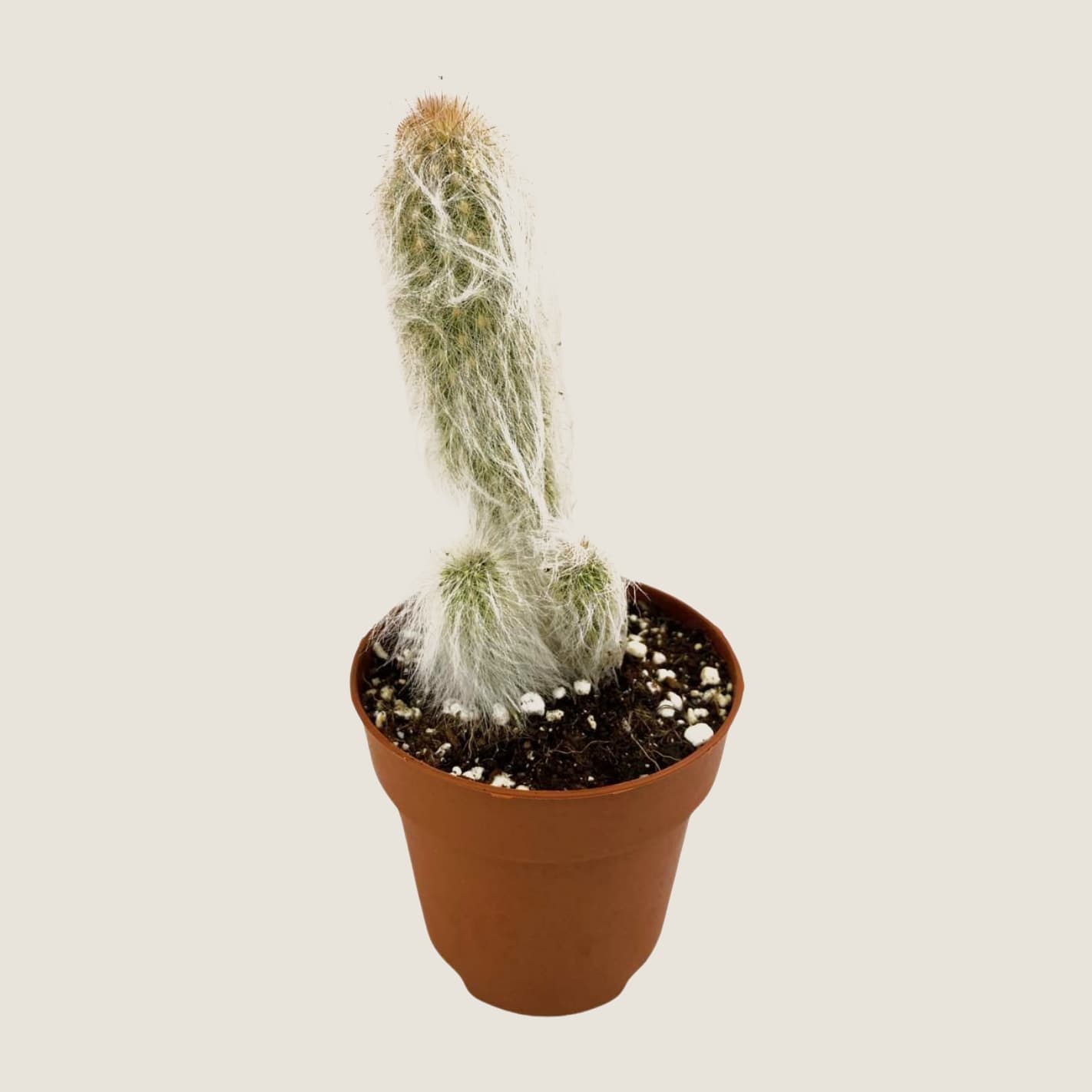
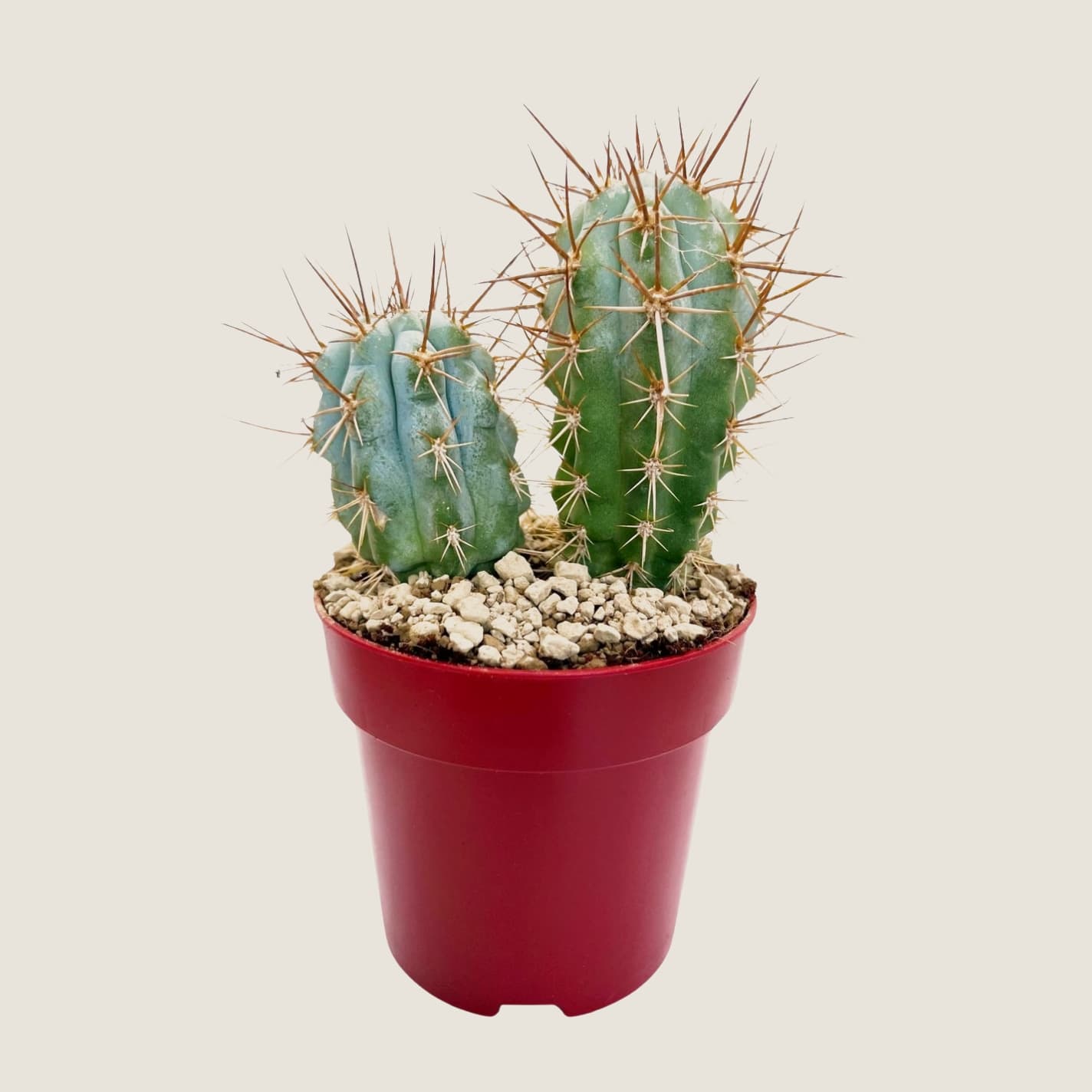
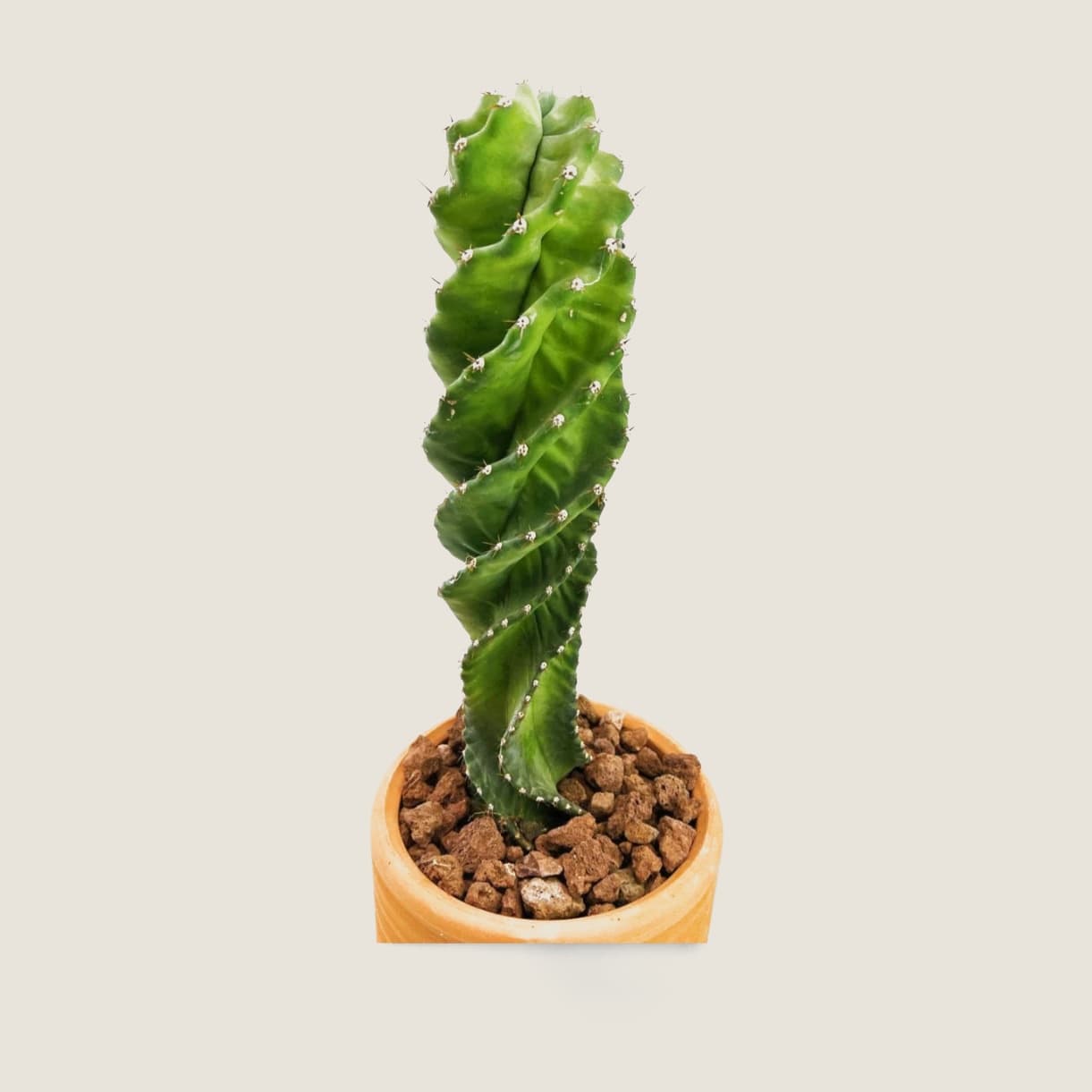
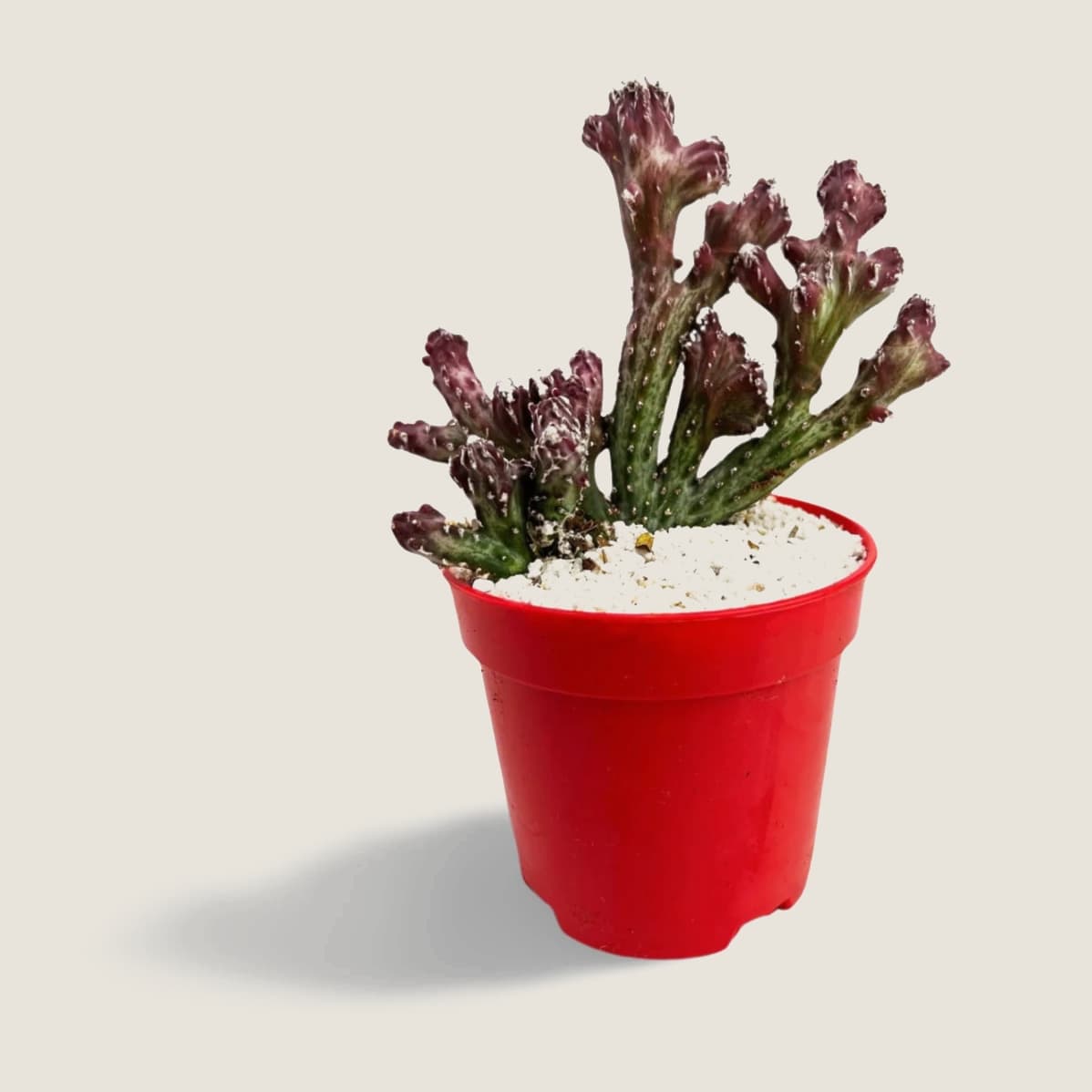
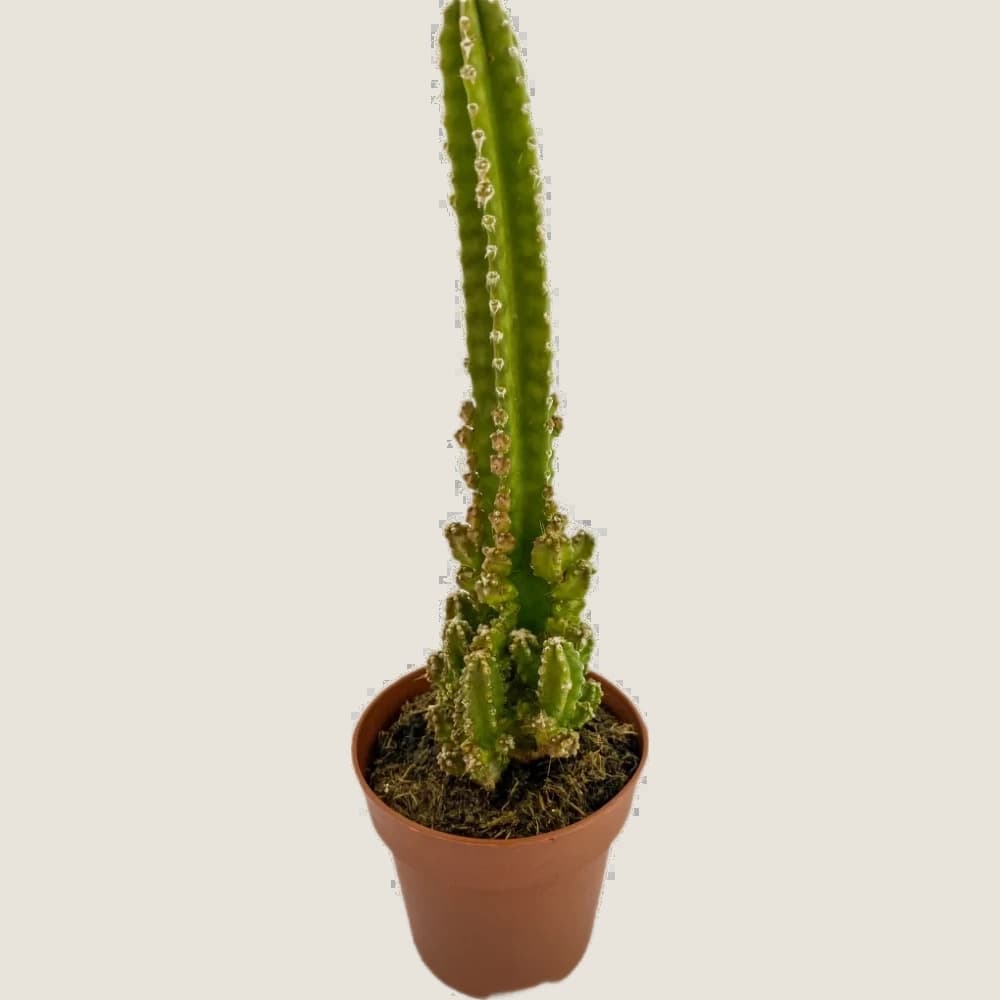
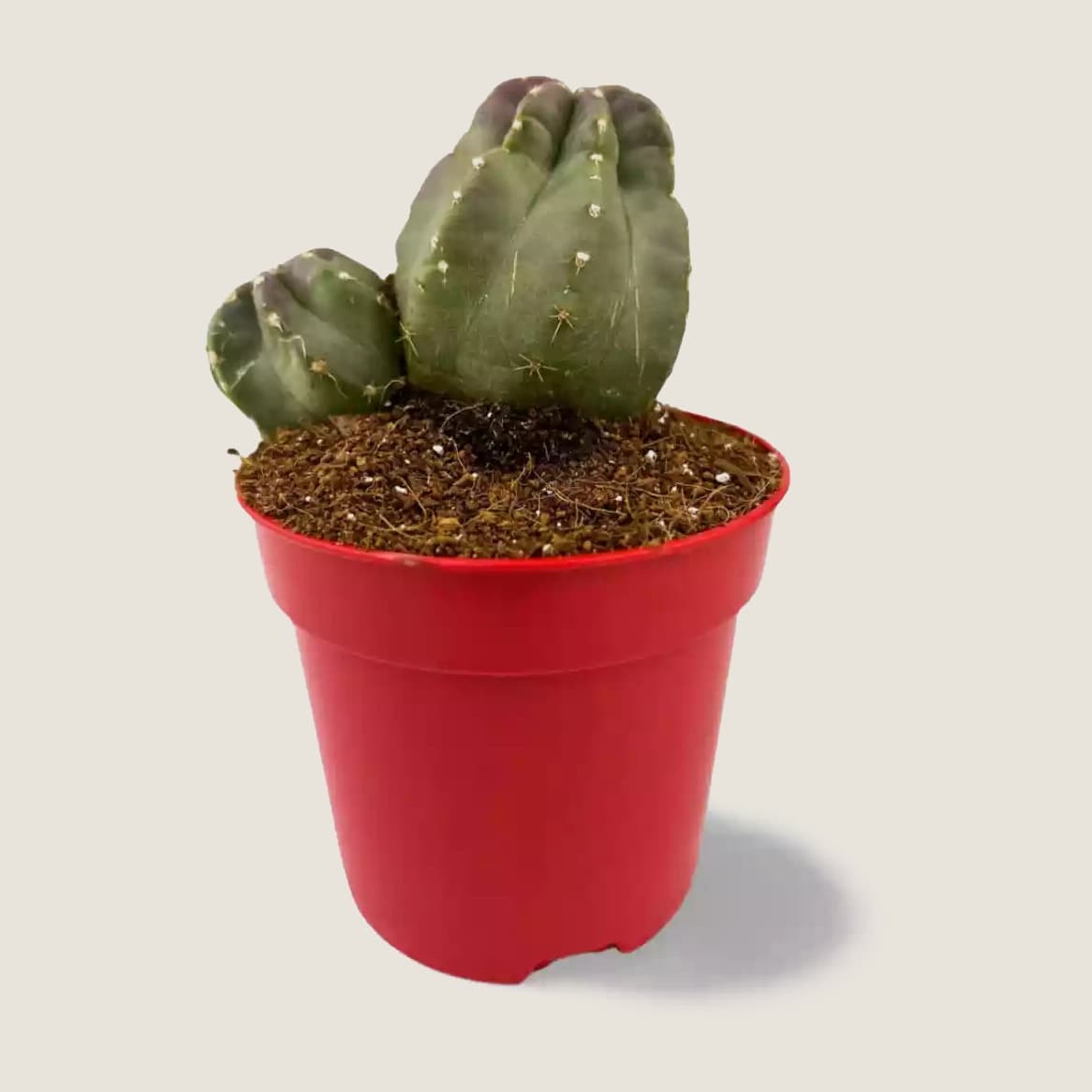
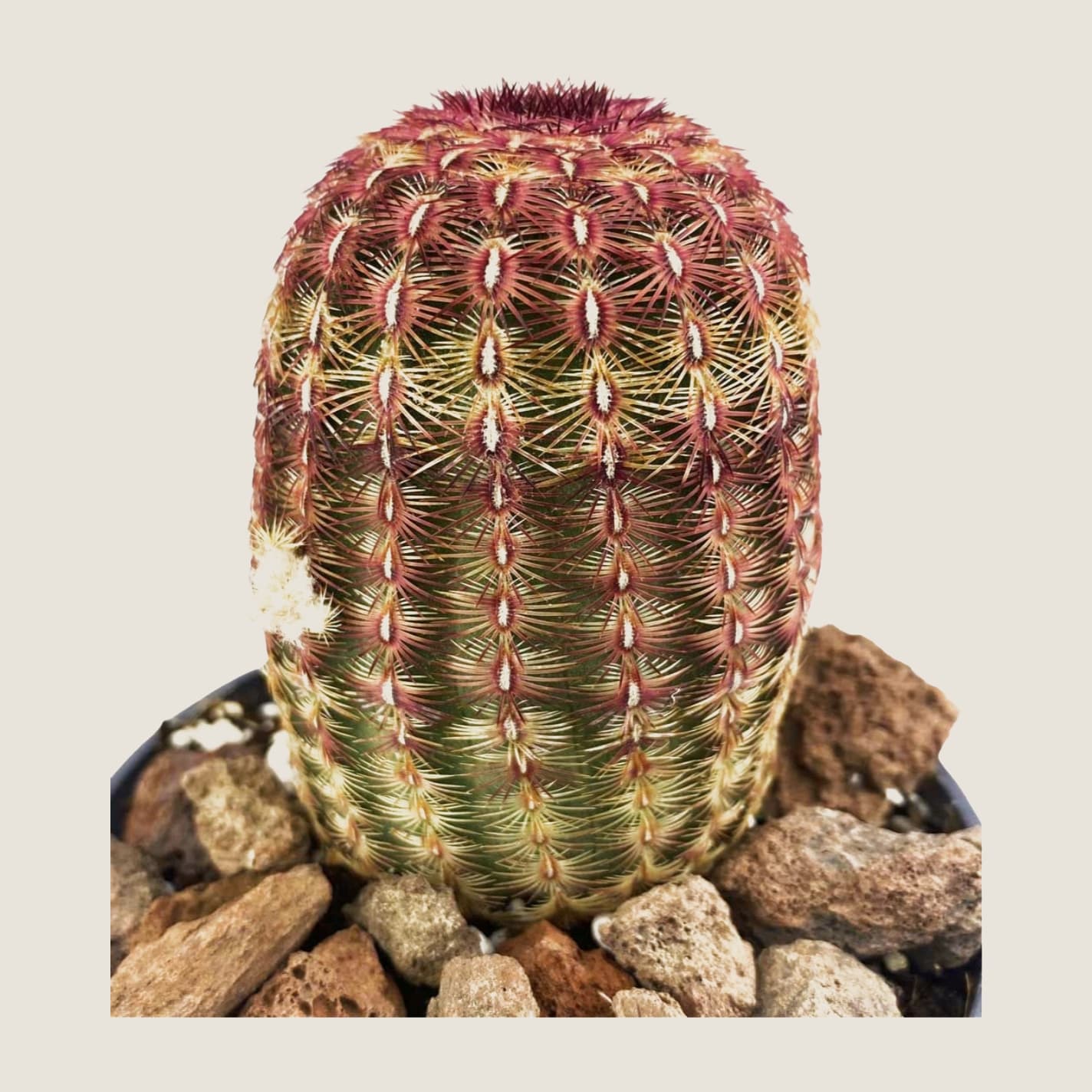
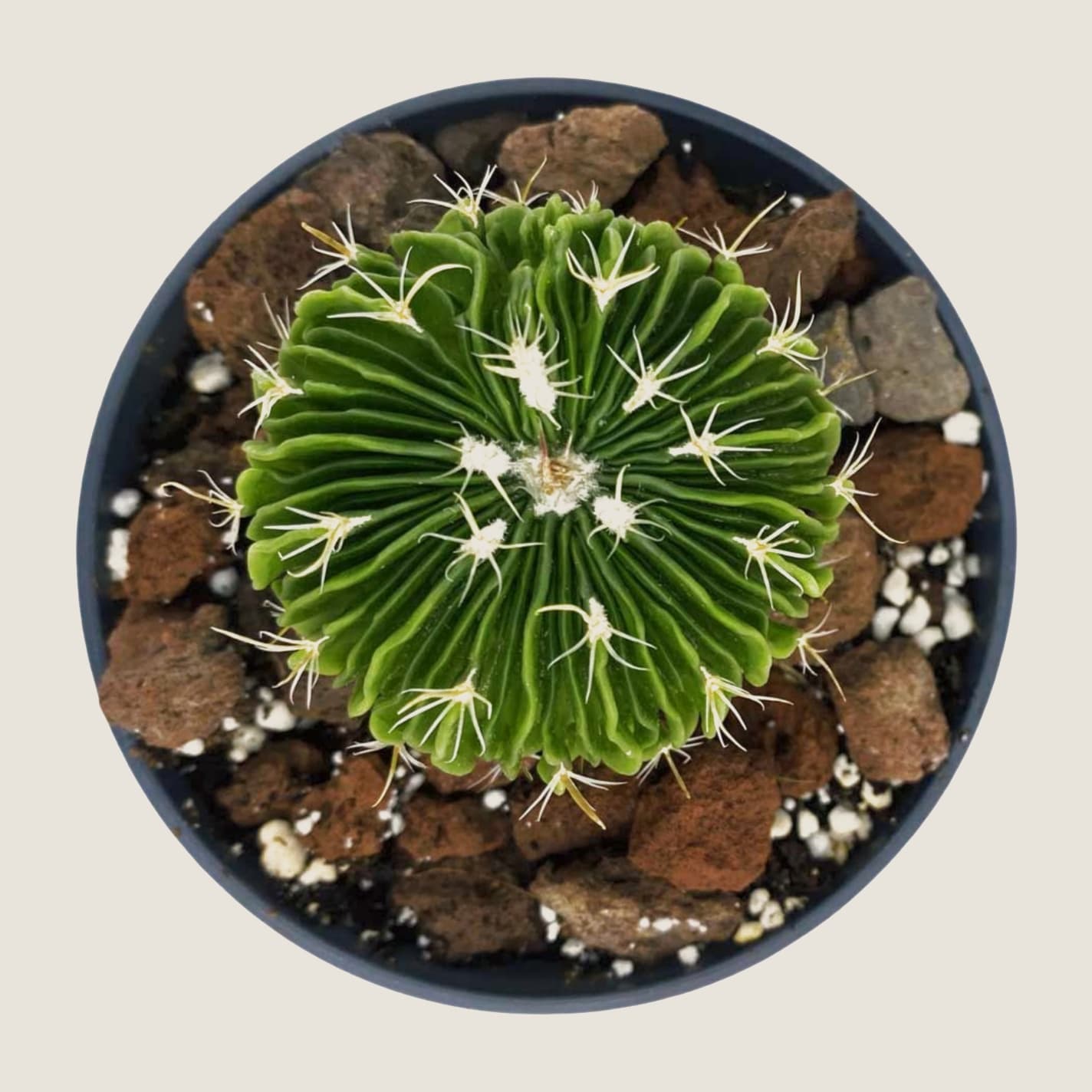
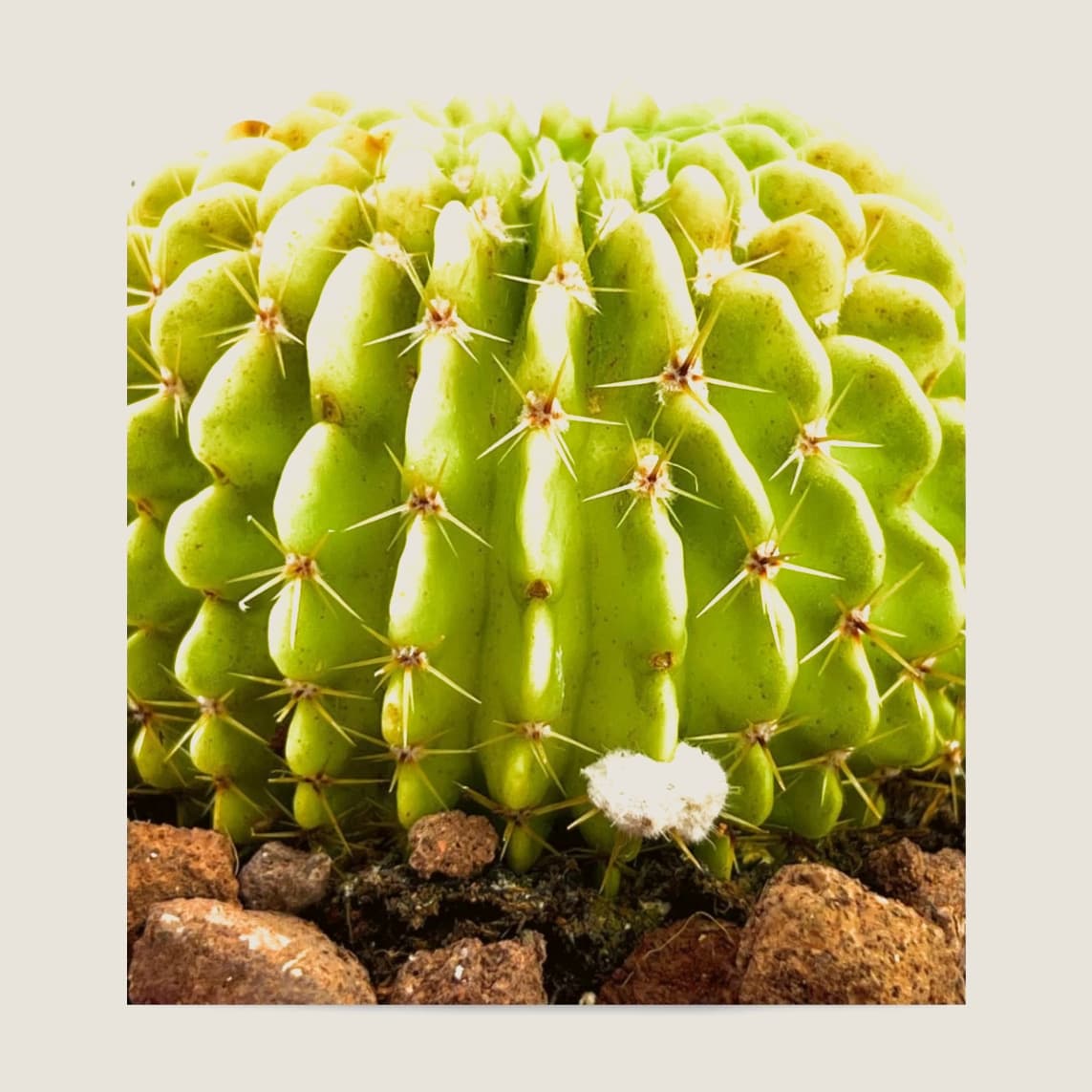
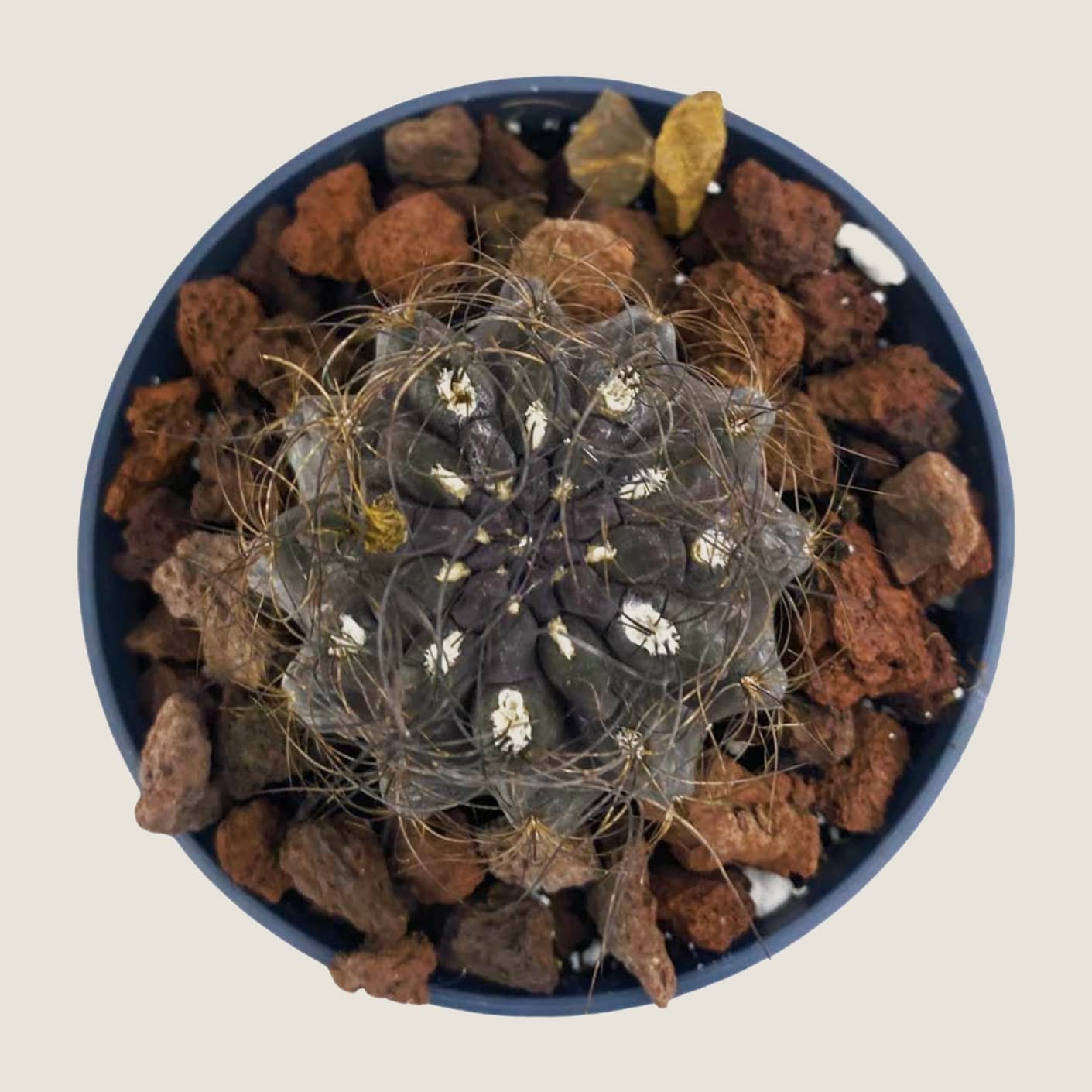
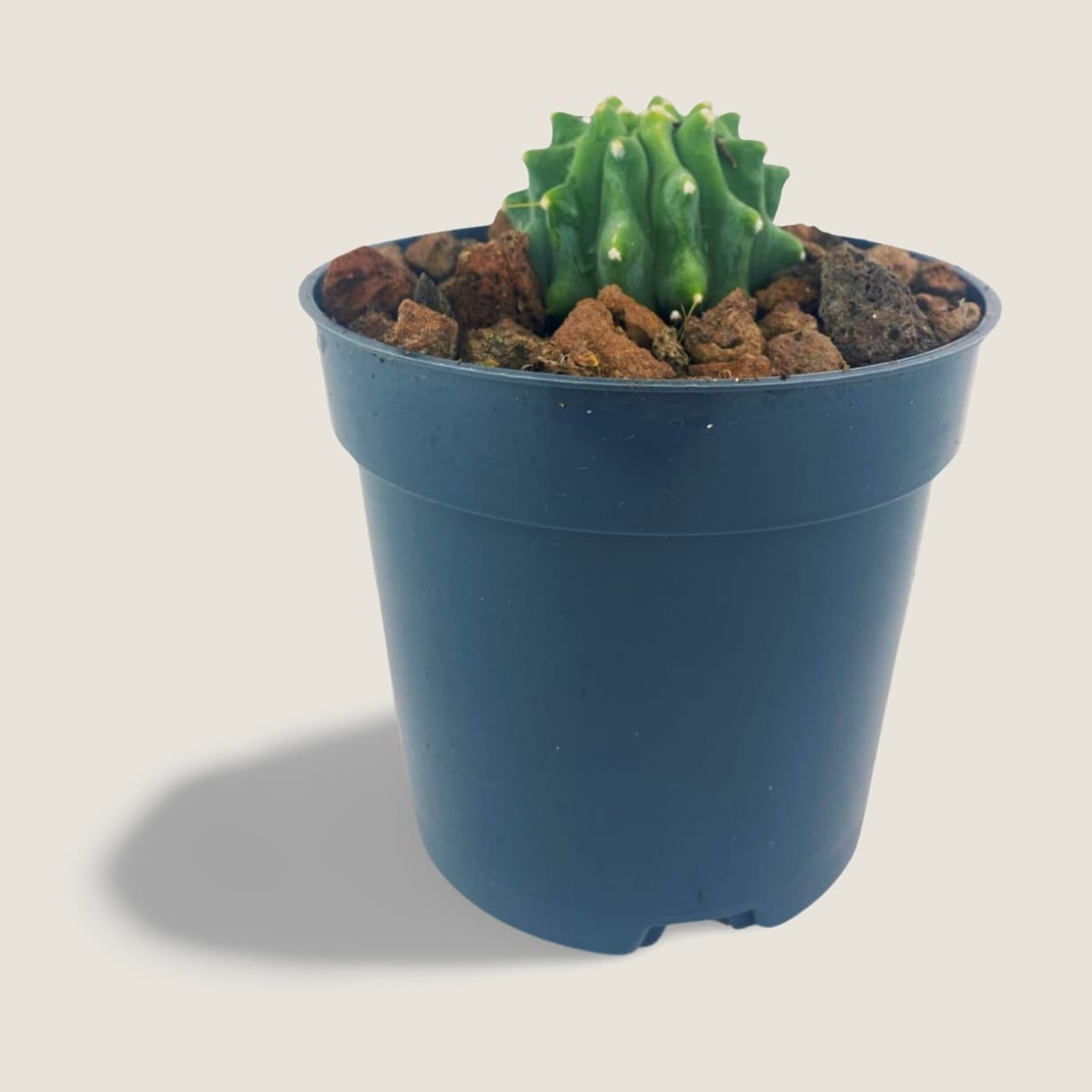
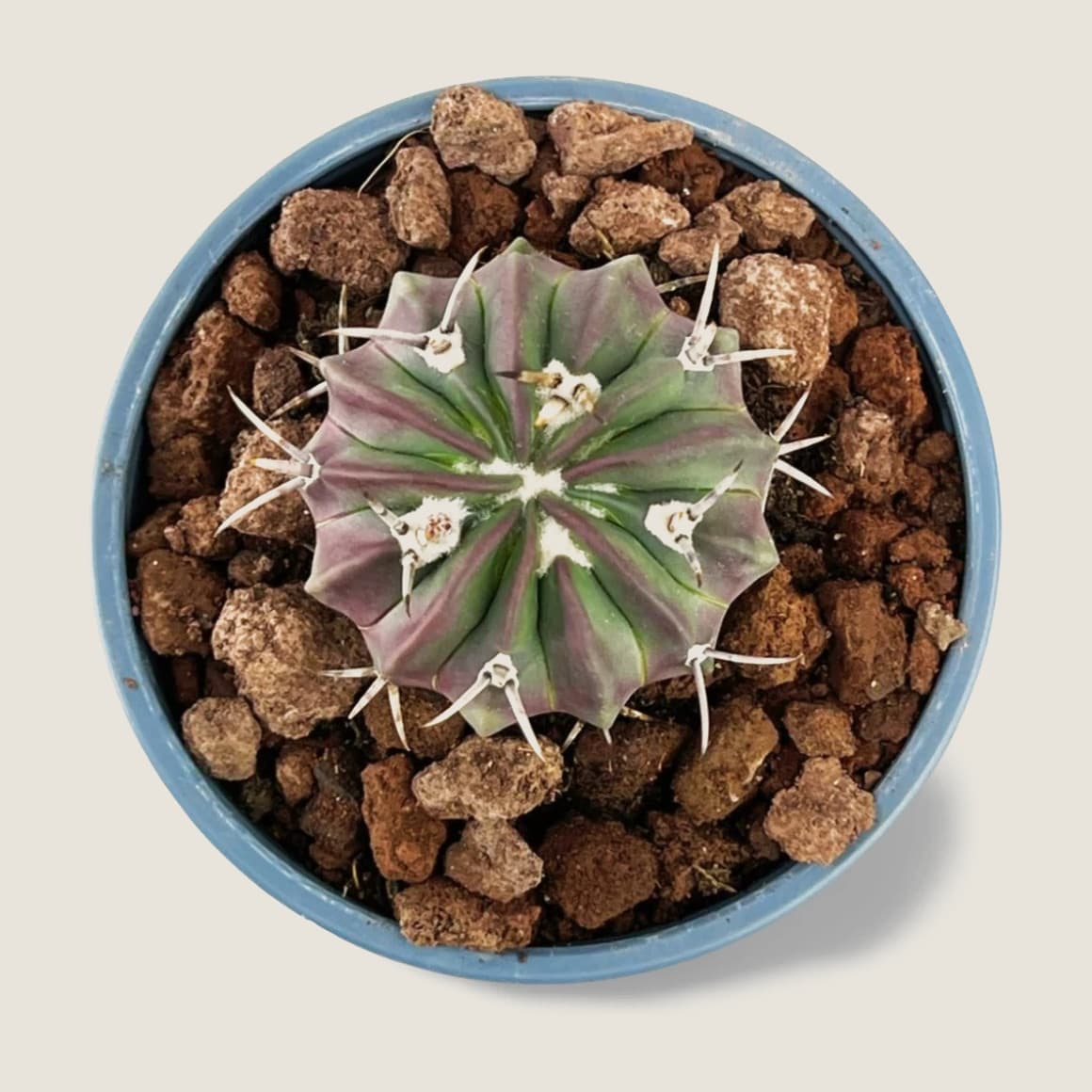
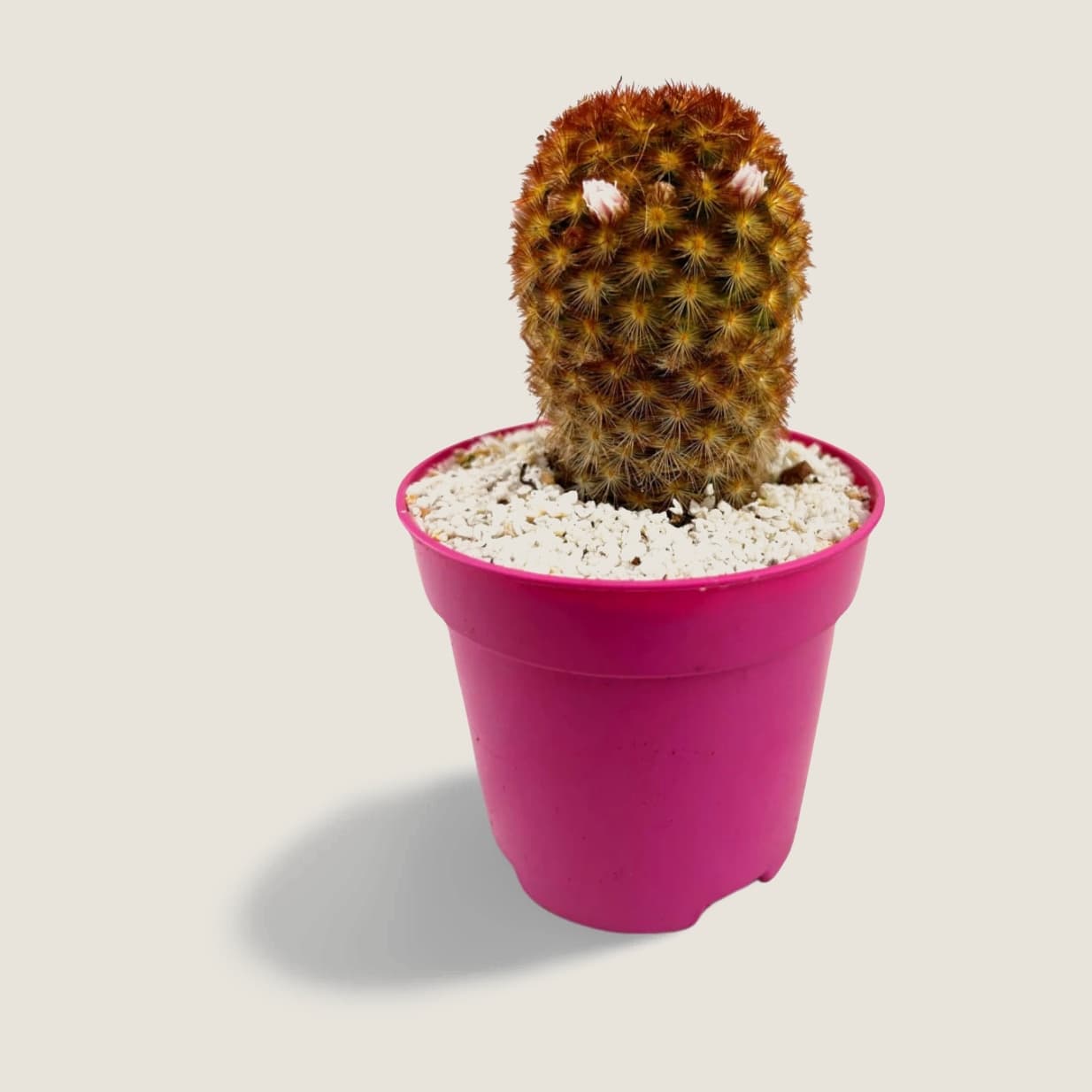
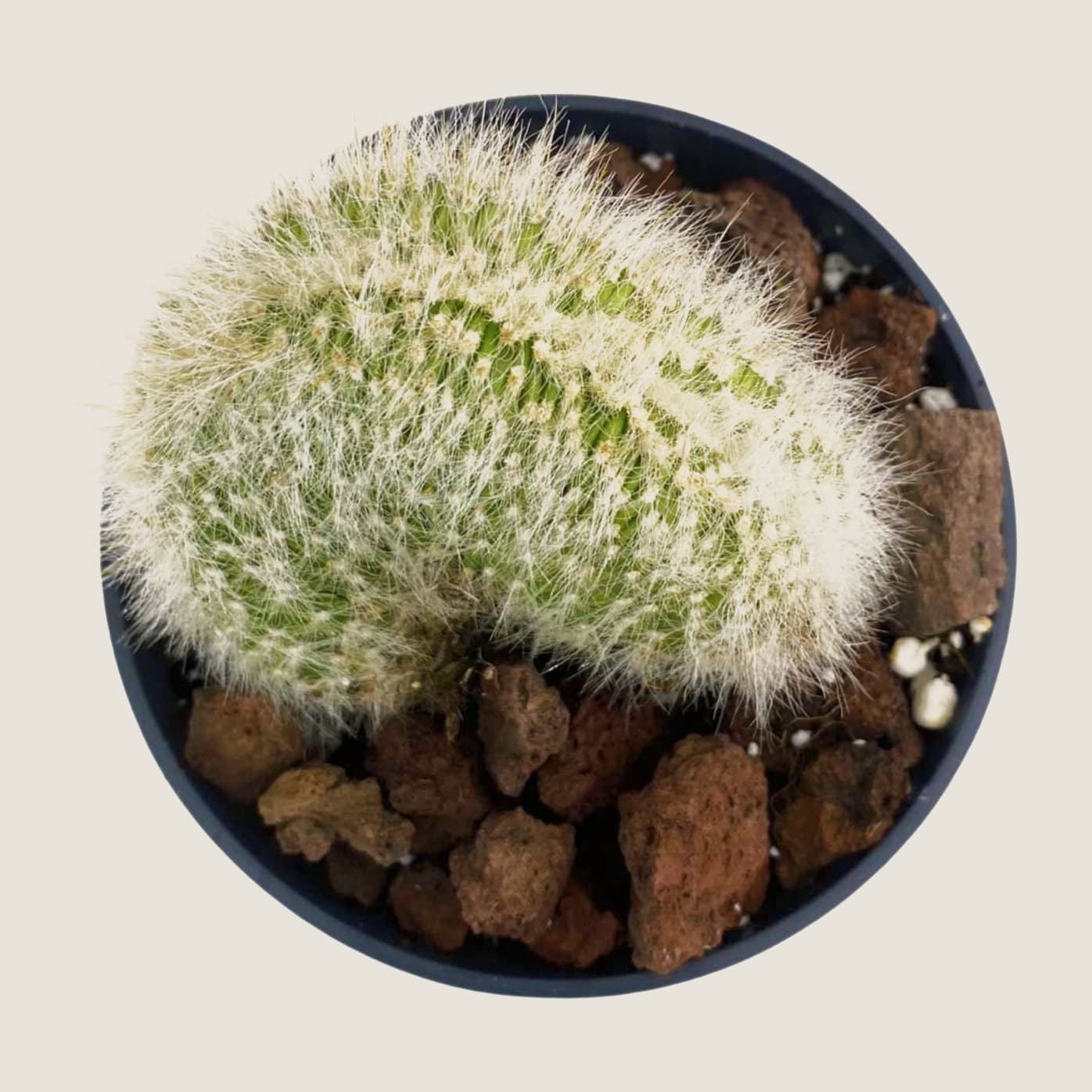
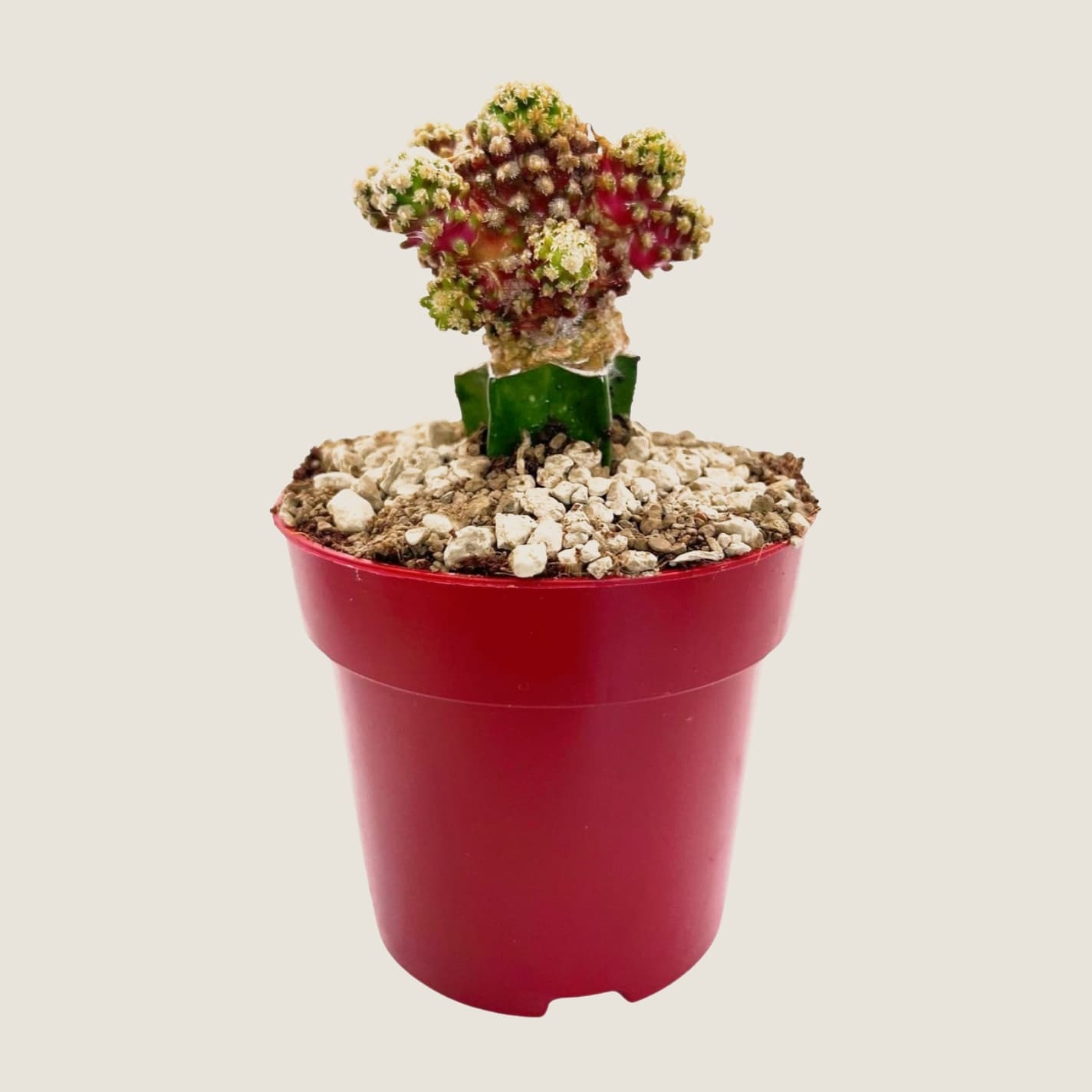
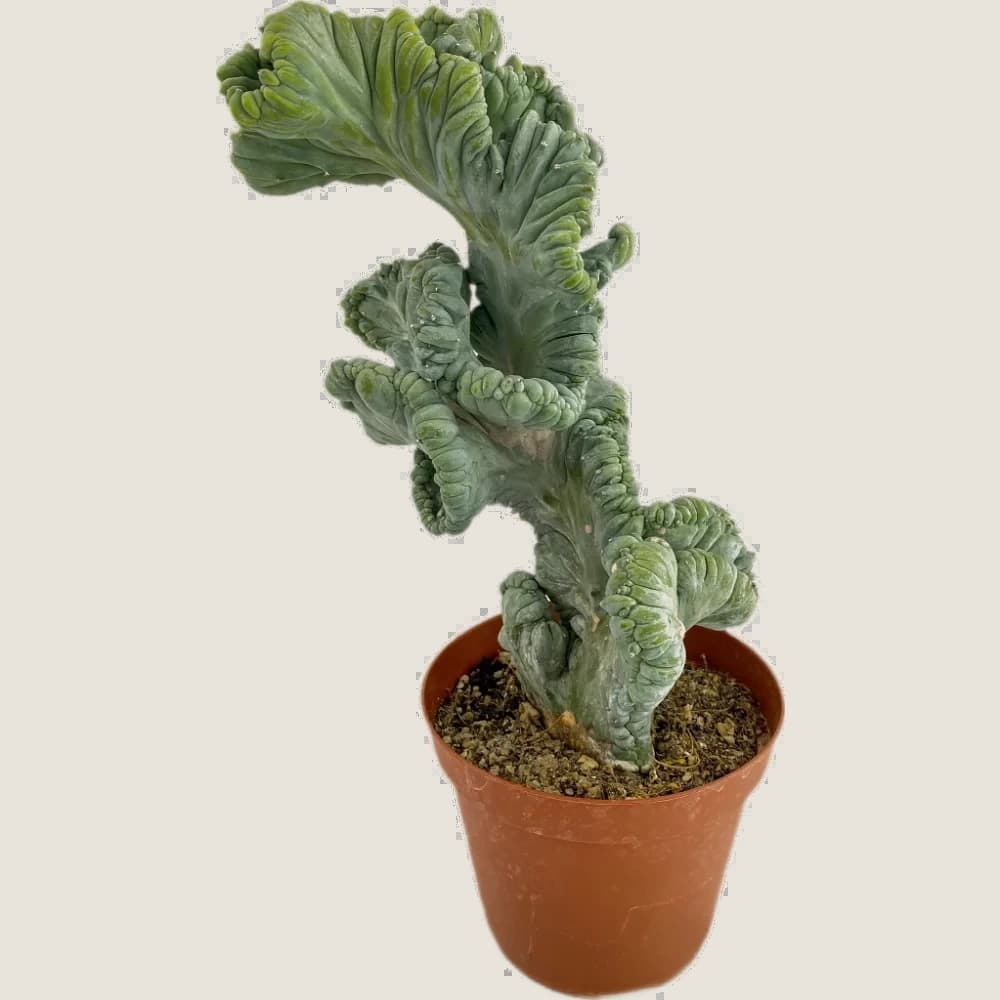
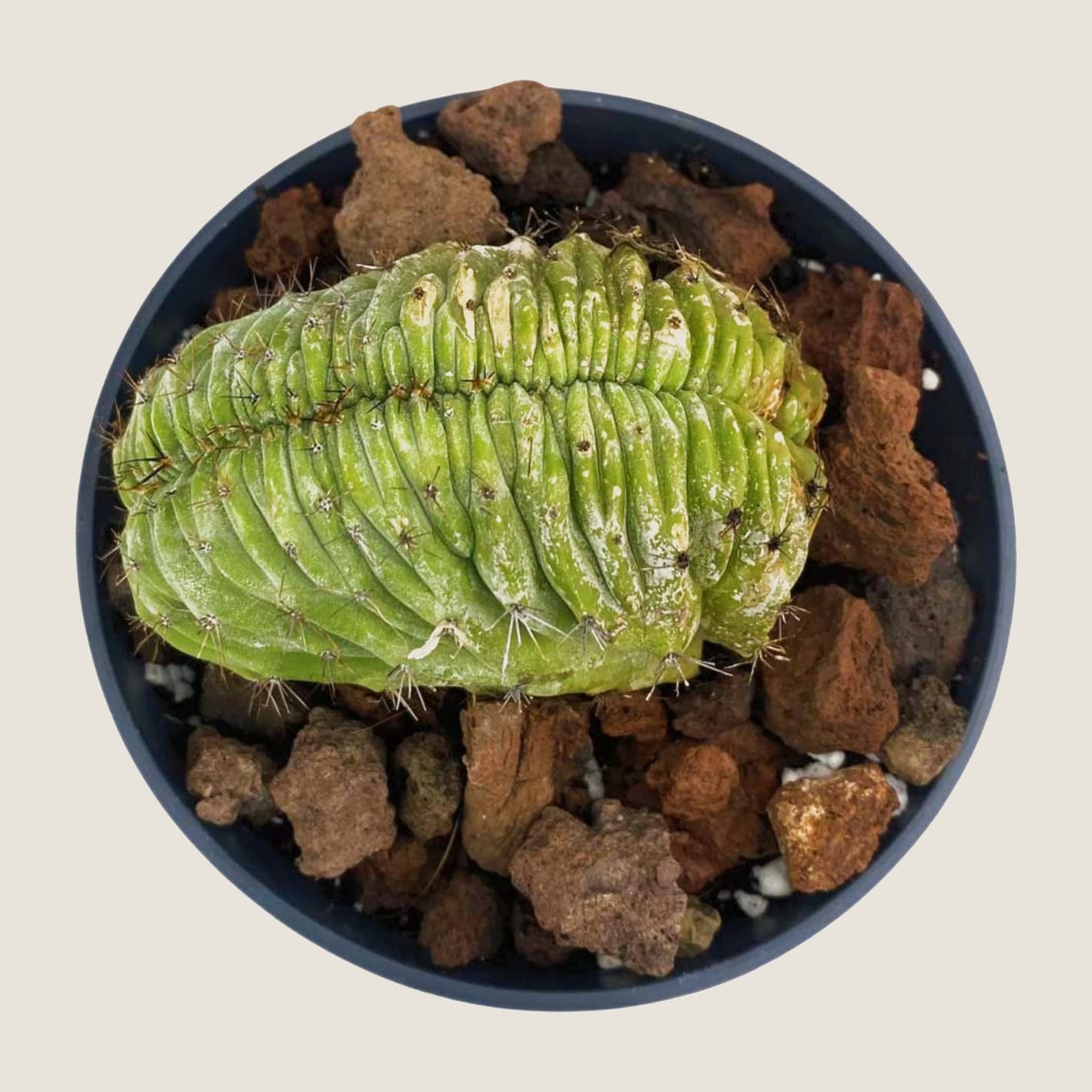
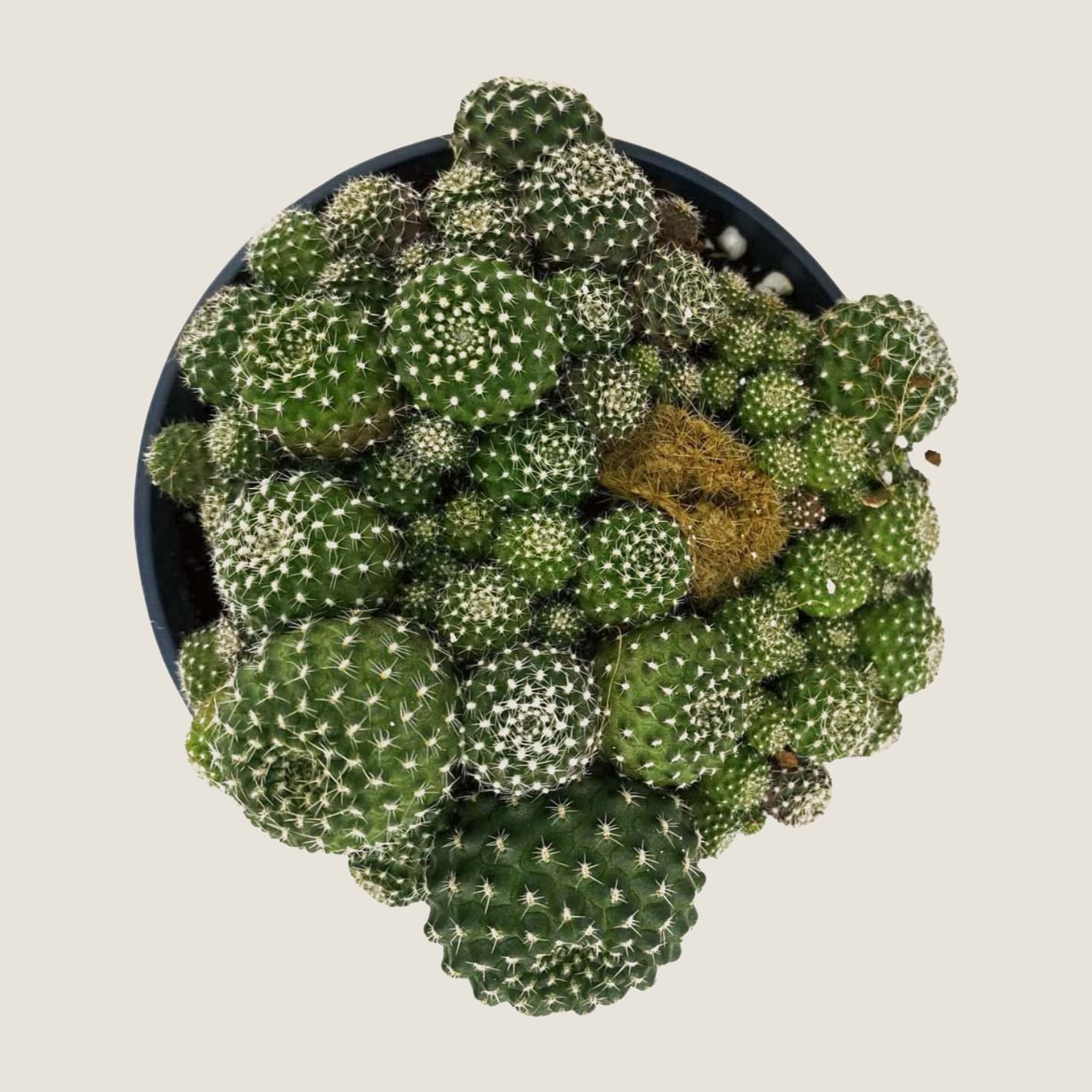
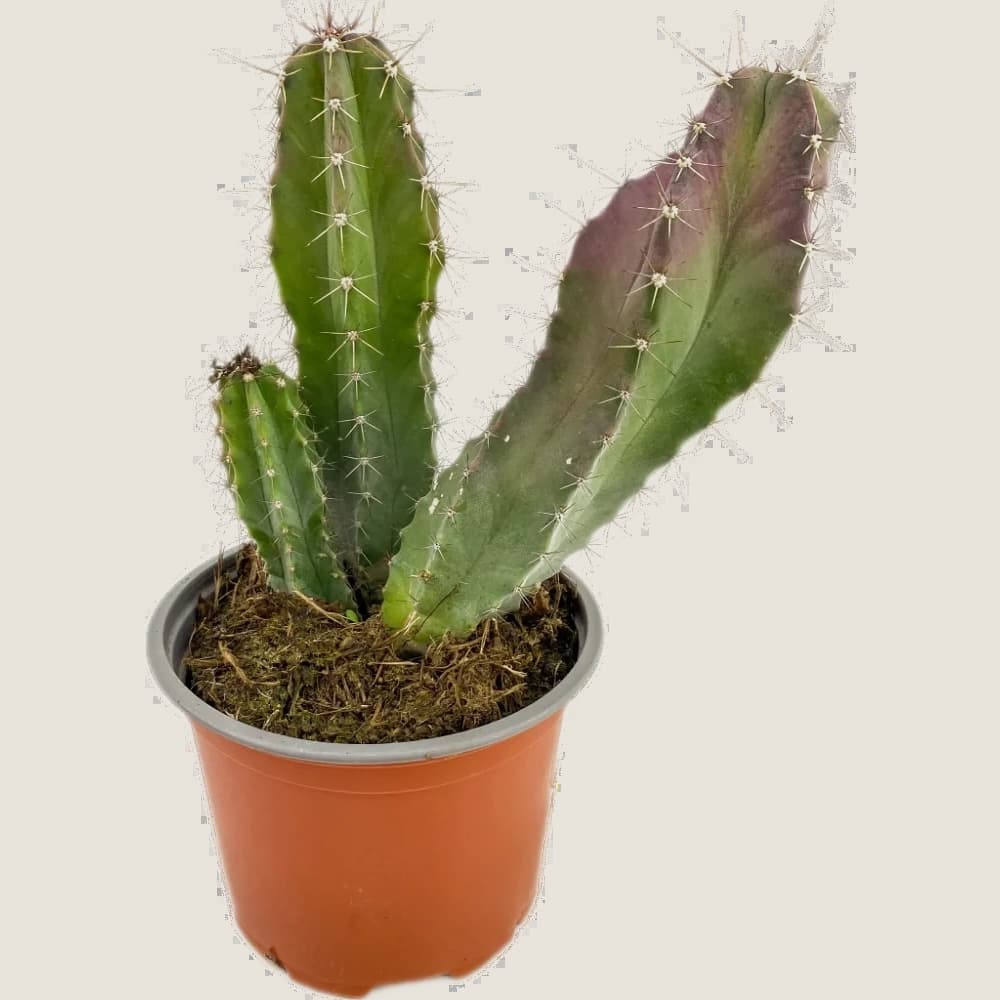
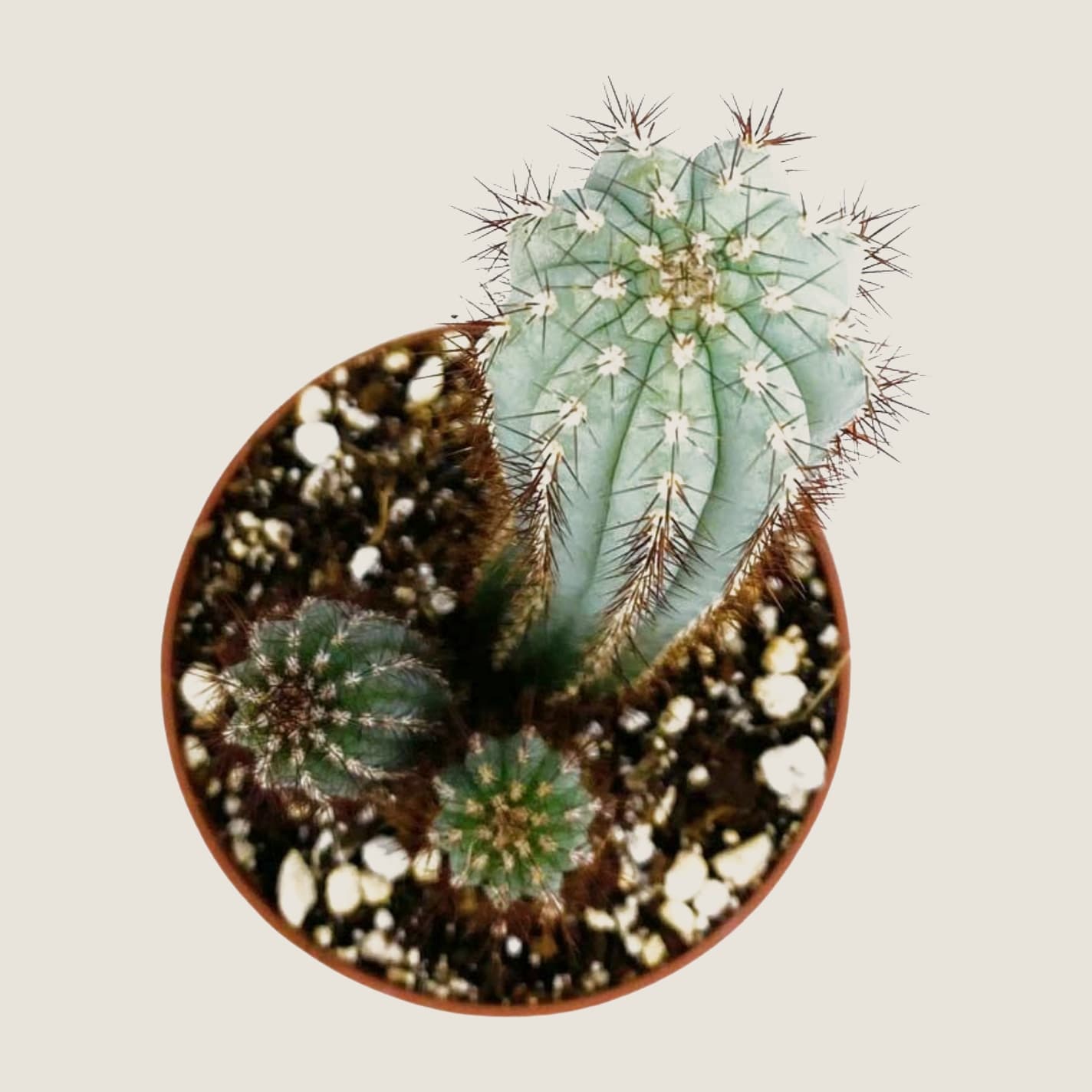
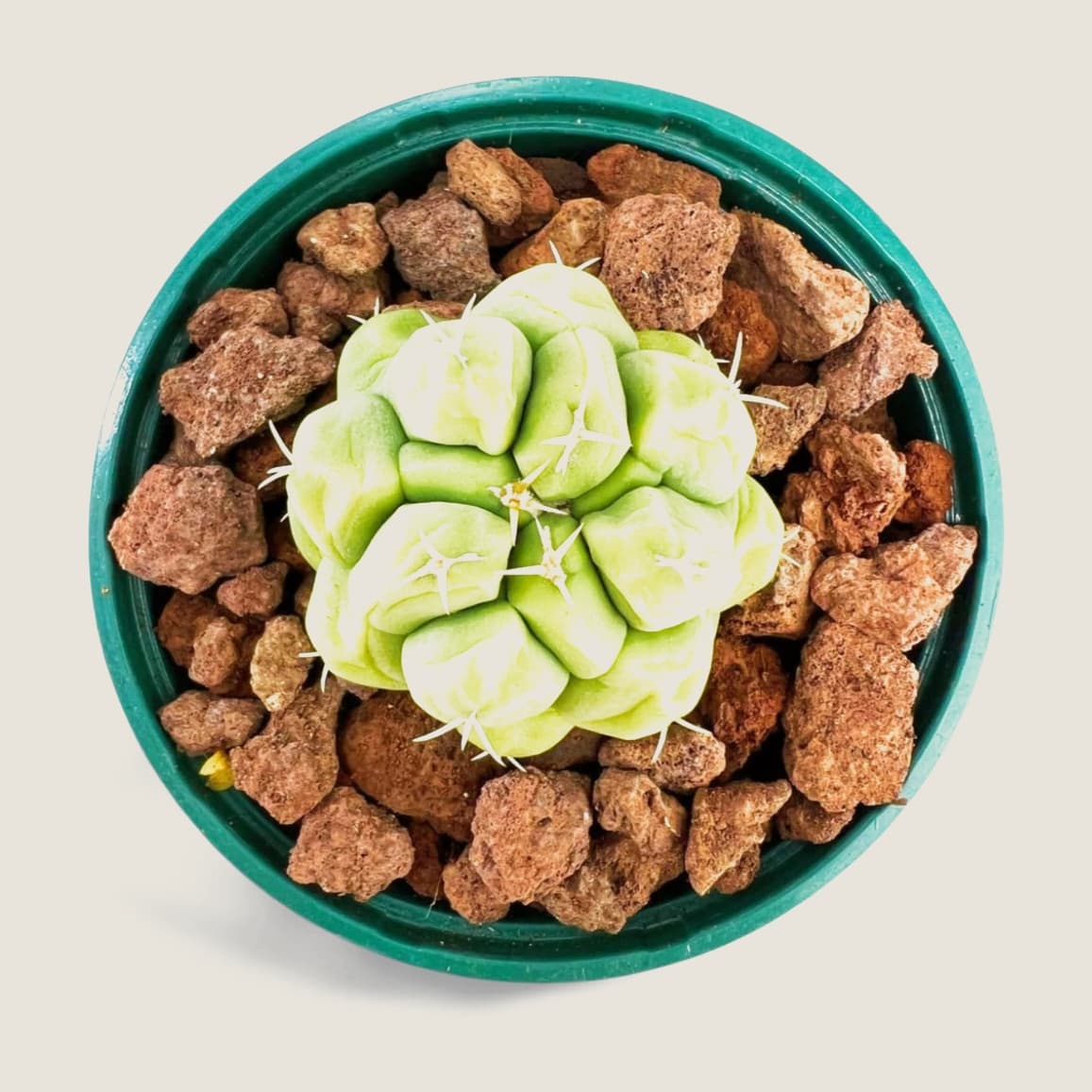
Whether you are starting your first cactus corner or adding to an established collection, our range covers globular, columnar and flowering shapes, each with its own character and striking spines. Cacti are famously forgiving plants: they need very little water, thrive in bright spots, and are perfect for beginners and seasoned growers alike.
We ship cacti across Europe in specially designed packaging that protects spines and roots along the way. Browse our cactus plants online today and buy cactus straight from the growers.
What makes a plant a cactus
It is not the spines: it is the areole. That small felted cushion the spines, flowers and new growth all emerge from exists only in the cactus family and in no other plant on earth. If it has areoles it is a cactus; if it does not, it is not one, however much it looks the part.
That is how you tell it from an African Euphorbia, which copies the look of a cactus down to the detail but carries its spines straight on the stem and bleeds white latex when cut. Cacti have no latex. And with one exception they are all American plants: from Canada to Patagonia and nowhere else.
A dry winter is what makes them flower
This is the part nobody mentions when selling them. A cactus that spends the winter warm and watered will not flower, however healthy it looks. Flowering is triggered by three or four months of cold, completely dry rest: between 5 and 10 °C, without a drop of water from October to March.
Kept dry, most of them take those temperatures easily, and several — the mountain Echinopsis and Echinocereus — take hard frost. What kills them is not cold, it is cold with wet roots. If the plant shrivels in January that is normal: it dehydrates on purpose so it cannot freeze.
Spines, glochids and what actually hurts
Big spines are visible and easy to avoid. The real problem is glochids: the tiny barbed bristles that Opuntia carry in those innocent-looking golden dots. They come away at the lightest touch, lodge in your skin without you noticing, and itch for days.
If you get them, do not rub: that pushes them deeper. What works is wide adhesive tape, pressed on and pulled off in one go. And that kind of cactus is always handled by the pot or with folded newspaper, never bare-handed.
Watering is not «hardly ever»
A cactus in full growth drinks more than people think. From April to September it wants generous, well-spaced watering: soak until water runs out of the bottom, then wait until the substrate is bone dry, which in summer can be every ten to fifteen days. What kills it is the frequent splash, which keeps the collar damp without ever reaching the roots.
From October to March, by contrast, nothing at all. That contrast between the two seasons is the whole secret of growing cacti.
A brown, woody base is not a disease
Over the years many cacti turn brown, hard and cracked at the bottom, and almost everyone reads it as rot. It is not: it is called corking, and it is the plant forming bark, exactly as a tree trunk does. It is firm to the touch and creeps slowly upwards.
Real rot is the opposite: soft, wet, dark and foul-smelling, usually starting at the base or at a wound. If it gives when you press it, it is rot; if it is hard as wood, it is age.
Beware the «decorated» cactus
Three things you see everywhere and should be able to spot. Coloured flowers glued to the crown: they are paper or dried straw, and pulling them off leaves a scar. Spray-painted cacti in shocking pink or blue, which suffocate the skin. And coloured grafted balls — the so-called moon cactus — which are a chlorophyll-free mutant stuck on a green rootstock that feeds it: they live only a few years, because the rootstock eventually gives out.
None of that is sold here. Every cactus on this page is a whole plant on its own roots, grown outdoors.
The mistakes that kill the most cacti
- Watering in winter. By a wide margin, the number one cause.
- Too large a pot. The substrate the roots do not occupy stays wet for weeks.
- Moving it straight into July sun after months indoors: it scorches, and the scar never goes.
- Ordinary garden compost. It holds too much; you need a sharply draining mineral mix.
- Expecting flowers without giving it a winter. No cold dry rest, no flowers.
Every specimen on this page is grown in full sun at our nursery in Almería, on mineral watering and without the shelter of a greenhouse. That is what gives them the hard spines and the compact habit that is lost in the shade.