Echinocereus coccineus
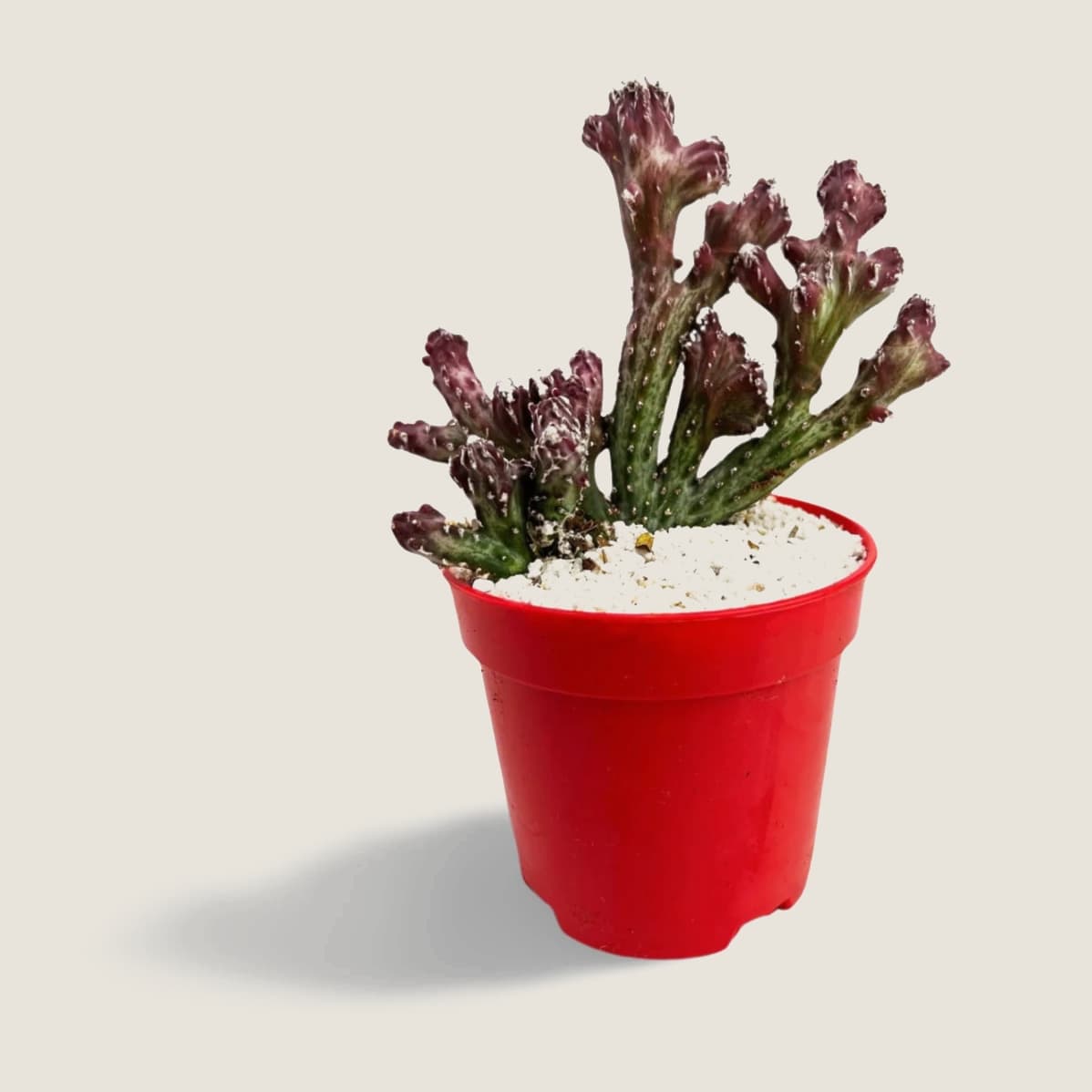
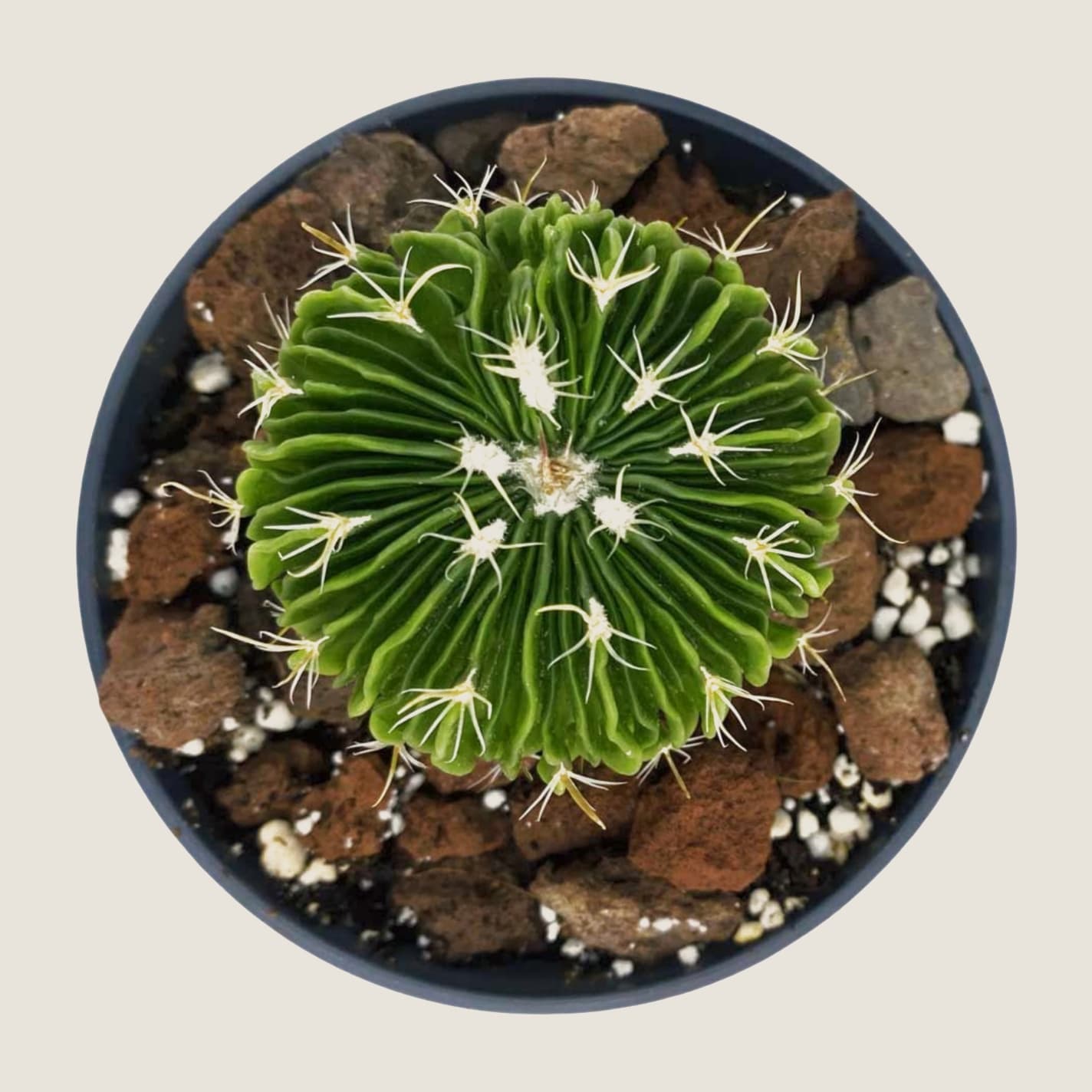
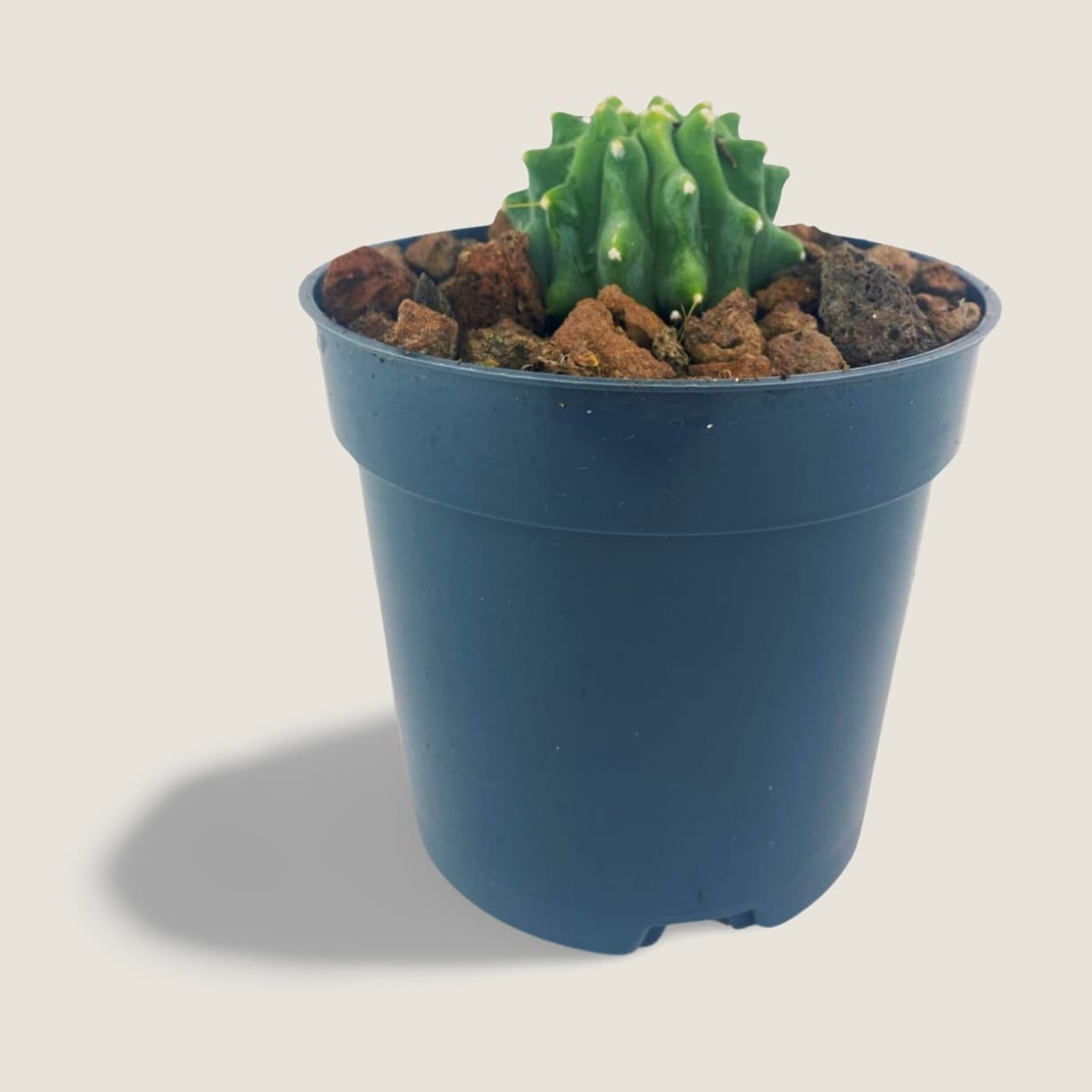
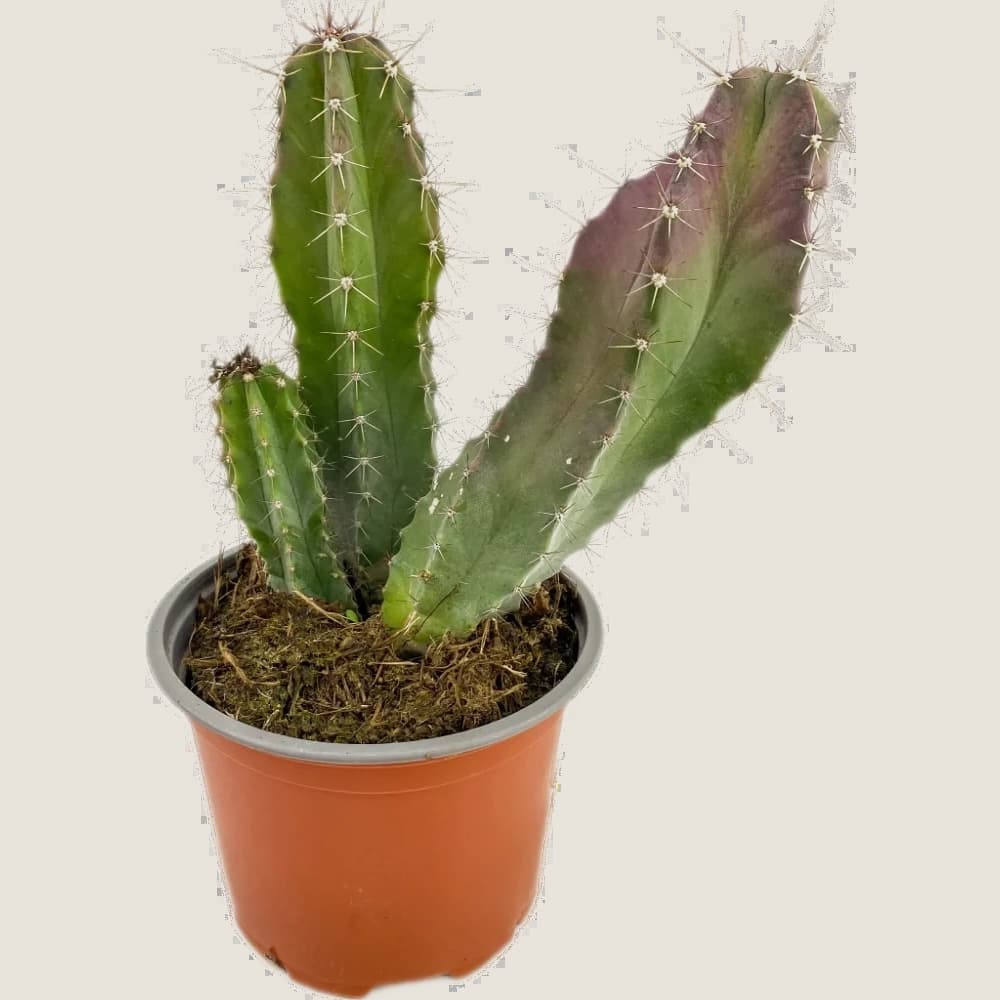
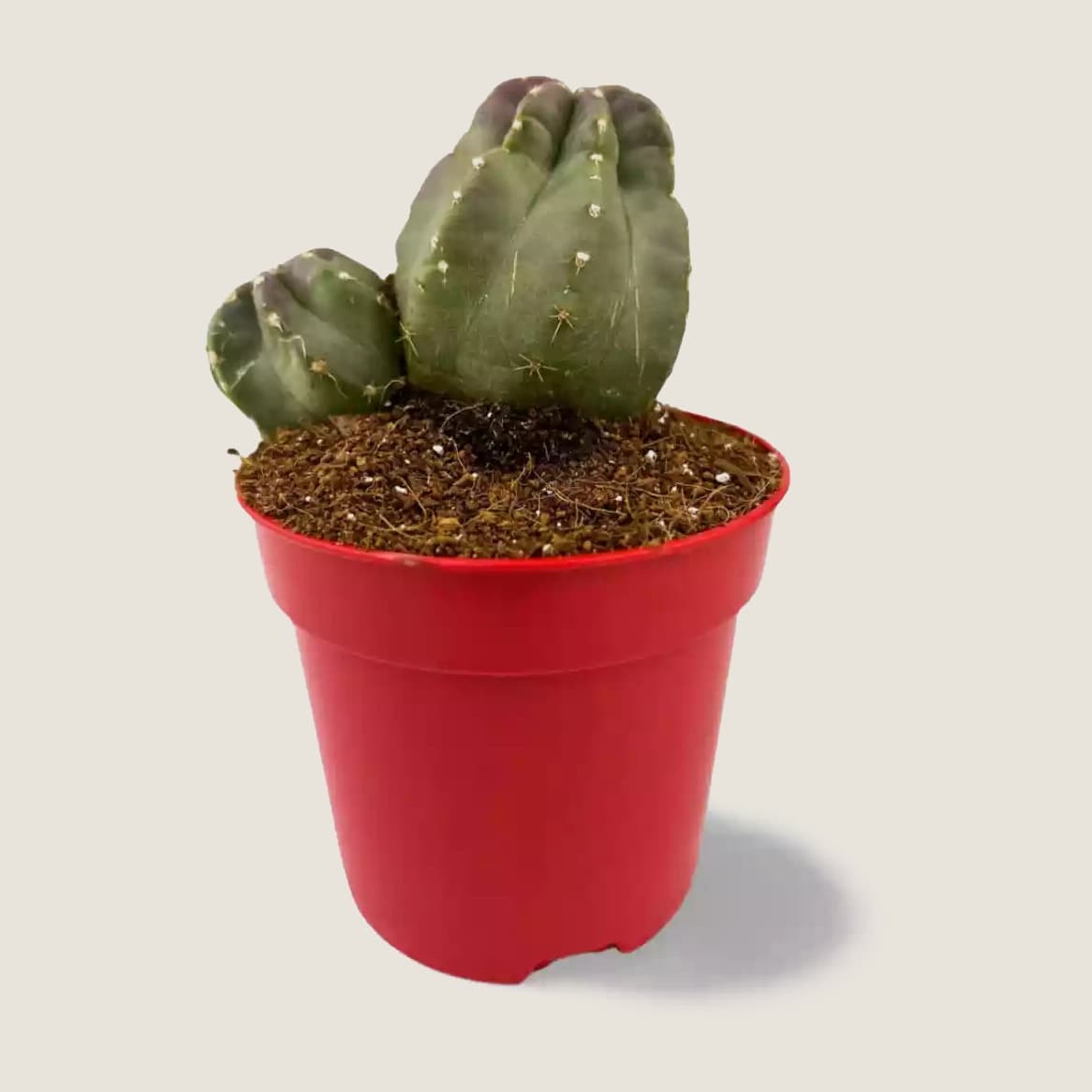
CactaceaeEchinocereus coccineus · the «claret cup» cactus: it builds clumps of stems and opens scarlet red flowers that stay open for several days in a row. One of the most cold-hardy cacti there is. Grown in full sun in Almería — the specimen in the photo is the one you receive.
About Echinocereus coccineus
Echinocereus coccineus does not grow as a lone column: over the years it forms tight clumps of stems that can gather dozens of heads and spread half a metre across. It comes from the highlands of the south-western United States and northern Mexico, where it grows among rocks and grassland well above a thousand metres.
What makes it unmistakable is the flower: deep scarlet red, cup-shaped, and — unlike most cacti, which open and close within the same day — it stays open for several days in a row, at night as well. In English it is called the claret cup, and the name does it justice.
We grow it in full sun at our nursery in Almería, on a mineral watering regime and without the shelter of a greenhouse. That is what gives it the hard spines and the low, tight habit that is lost when it is raised in the shade.
Botanical fact sheet
| Scientific name | Echinocereus coccineus | |
| Family | Cactaceae | |
| Origin | south-western United States and northern Mexico | |
| Natural habitat | rocky slopes and mountain grassland, up to around 3,000 m | |
| Adult size | stems 10-30 cm; clumps up to 1 m across | |
| Flowering | spring; scarlet red flower lasting several days | |
| Propagation | offset or seed | |
| Toxicity | not toxic |
Care
It is one of the most cold-hardy cacti you can own. In habitat it takes hard frost and it can winter outdoors across much of Spain, but on one condition that admits no exception: bone dry. What kills it is not the cold, it is cold with wet roots.
From autumn onwards, cut watering completely until spring. That dry, cool winter is also what triggers the following year's flowering: a plant kept warm and watered through winter usually does not flower at all. It needs direct sun all day; in poor light it stretches, loses its looks and stops flowering.
Did you know?
Its red flowers have almost no scent, and that is not an oversight on the plant's part: they are built for hummingbirds, which see red very well and do not go by smell. It is a textbook case of bird pollination, uncommon among cacti, where insects normally do the job.
Luz
Full direct sun
Riego
Sparse; none in winter
Sustrato
Very free-draining mineral substrate, specific for cacti and succulents
Temperatura
Protect from frost; tolerates 0 °C when dry