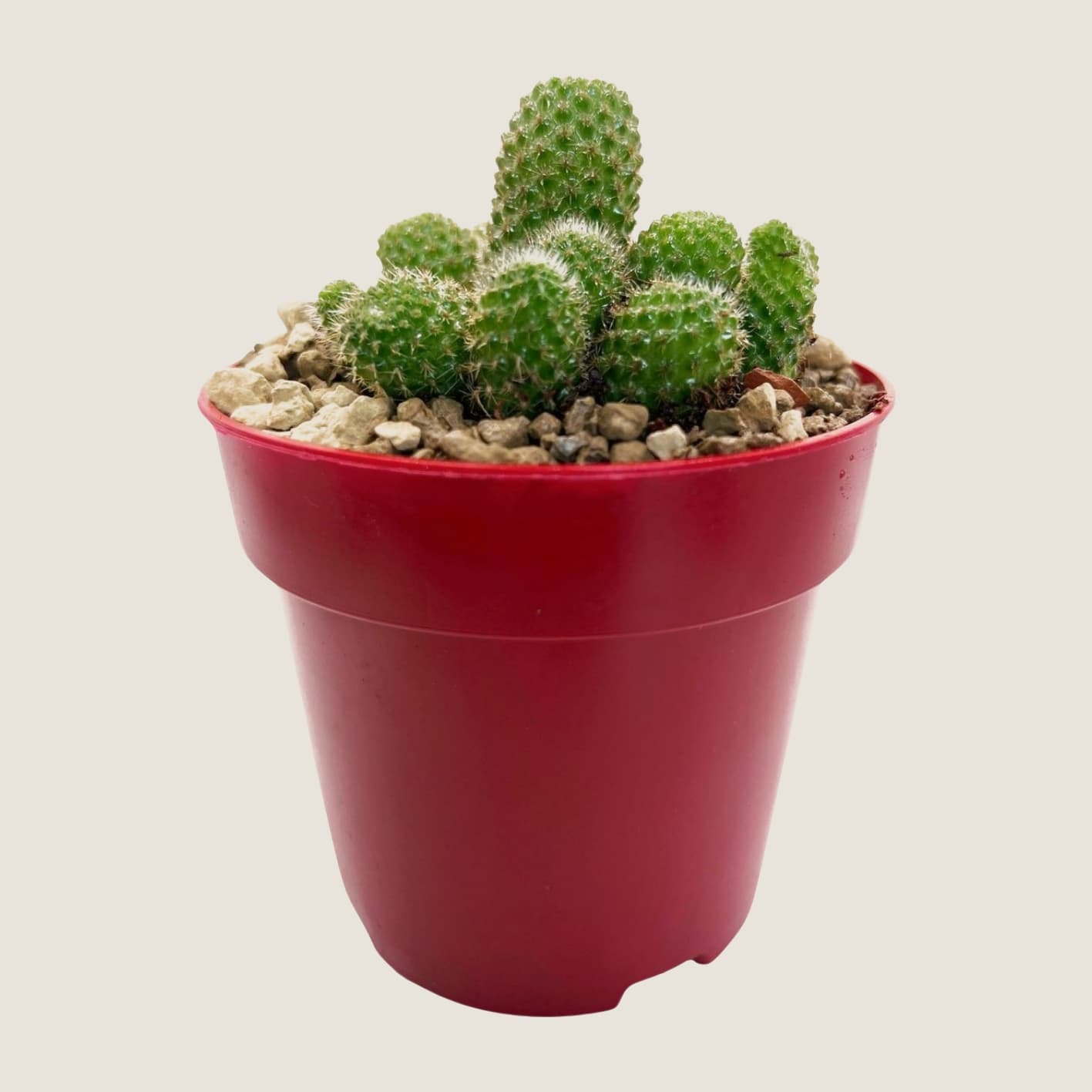
Aylostera pseudodeminuta
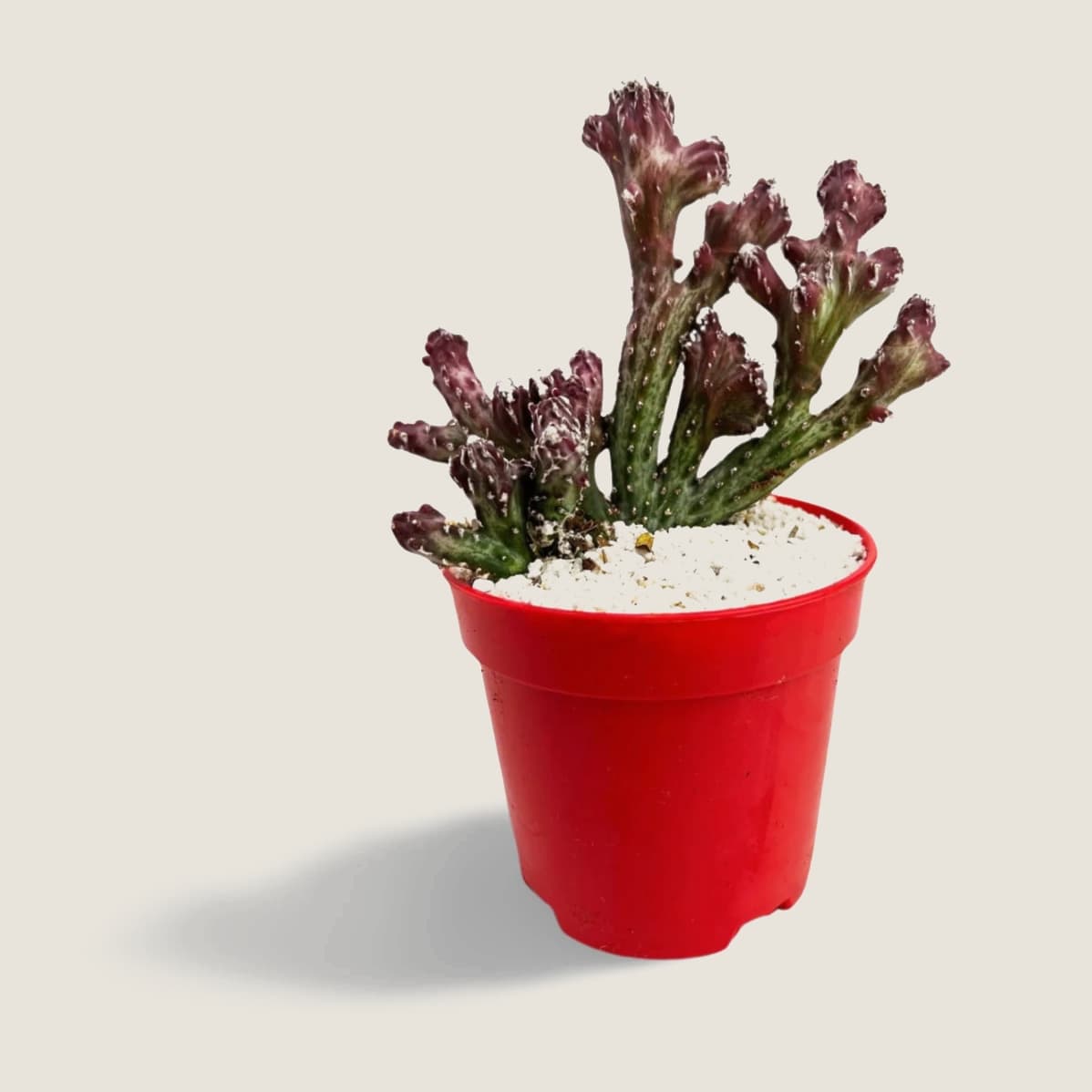
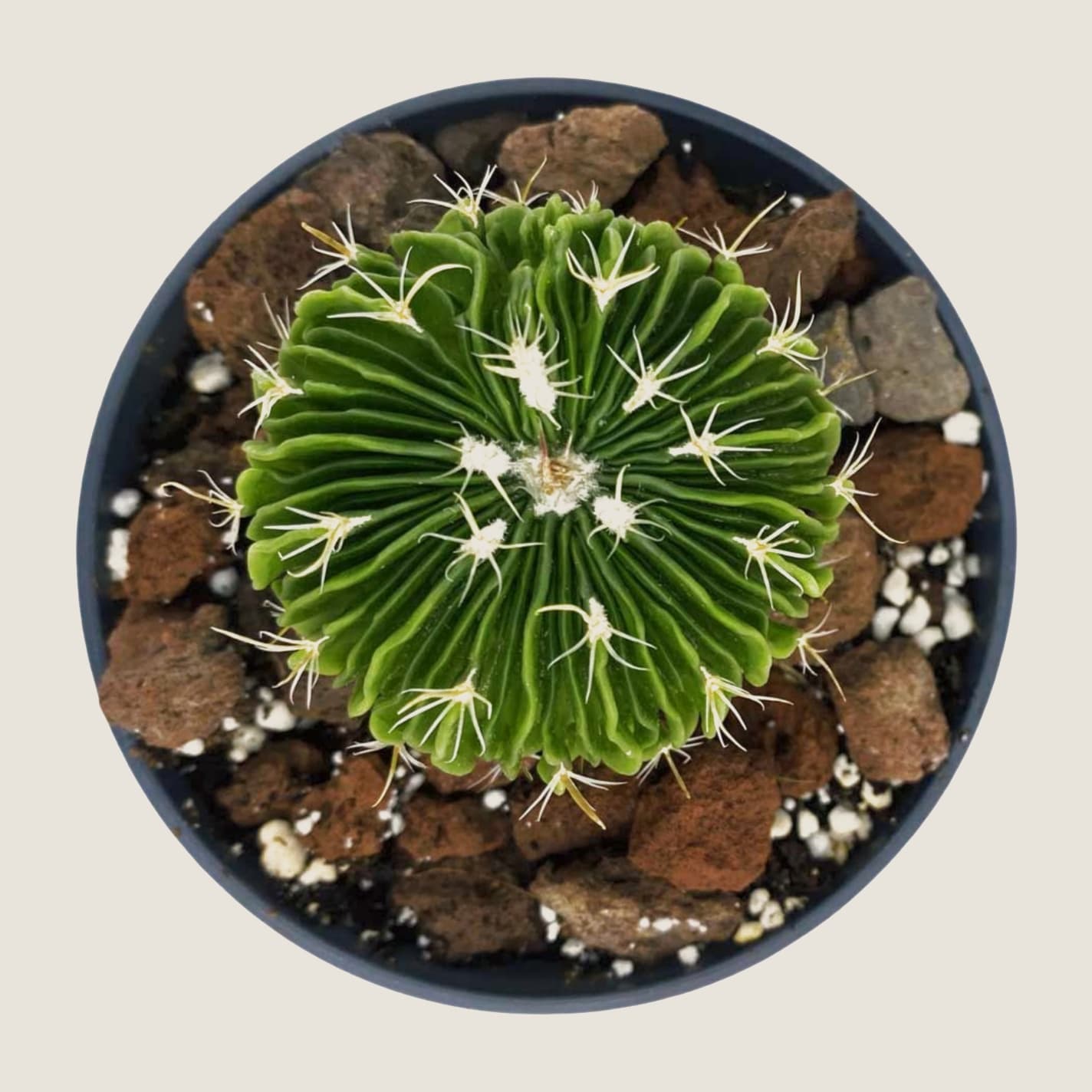
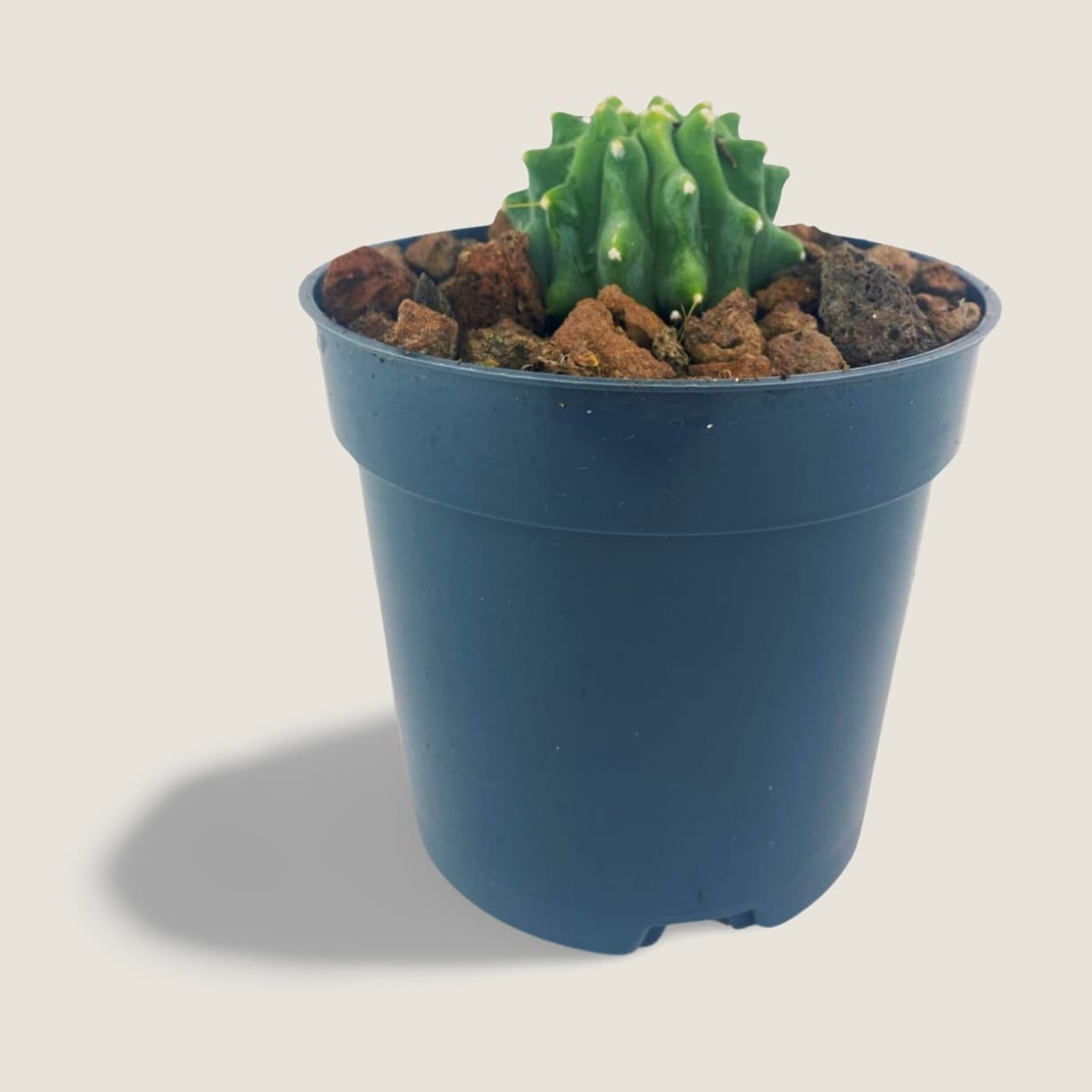
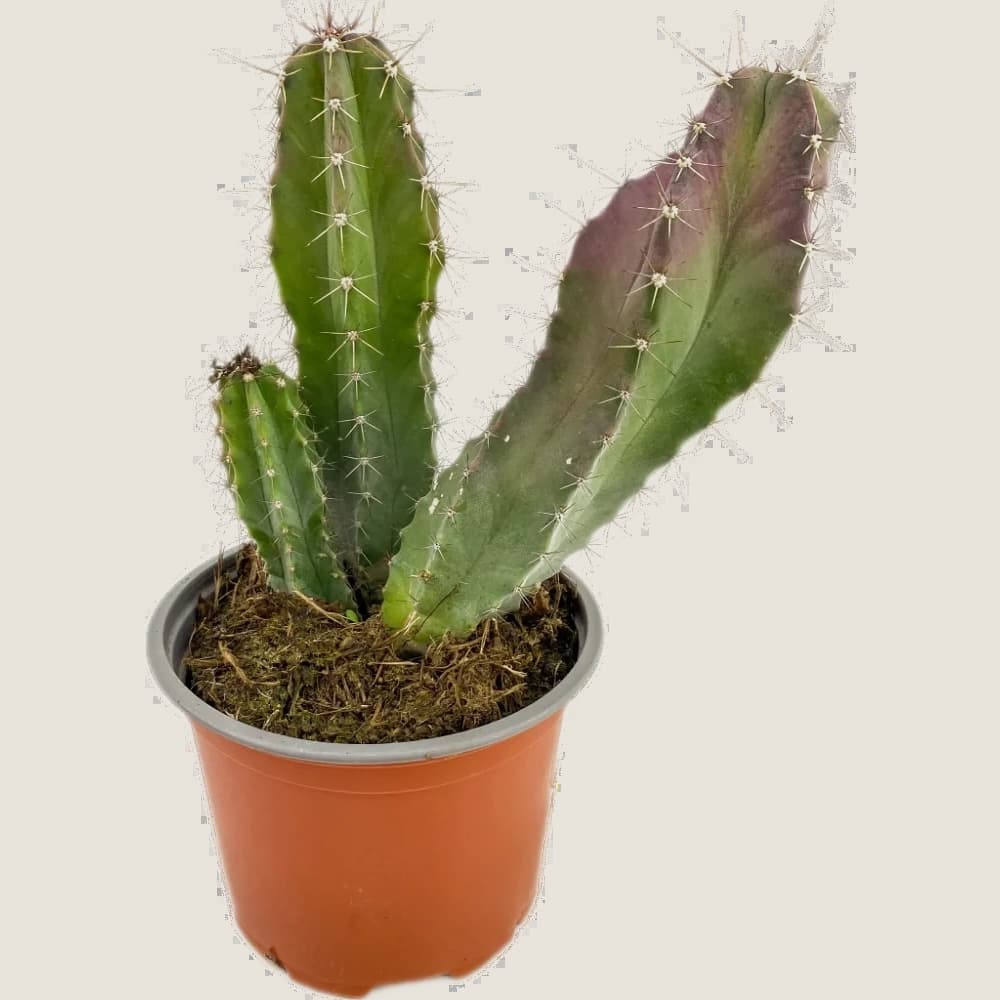
CactaceaeAylostera pseudodeminuta · a cactus of the Cactaceae family, a small, globular cactus with abundant blooms. Grown in our nursery in the Almería desert in full sun, with minimal watering and 100% mineral soil—the specimen in the photo is the one you will receive.
About Aylostera pseudodeminuta
Aylostera pseudodeminuta is one of the most distinctive succulents in the Cactaceae family. Its origin is in Bolivia and northern Argentina. The most striking thing about this plant is small globose body with fine spines, a feature that defines its personality and sets it apart within its genus.
At Succulentae we produce Aylostera pseudodeminuta with artisanal technique in southeastern Spain, following a cultivation protocol that replicates the sun, dryness and mineral conditions of its native habitat. That's why you receive a robust plant, with marked natural color and hardened against sun and drought.
Botanical fact sheet
| Scientific name | Aylostera pseudodeminuta | |
| Family | Cactaceae | |
| Origin | Bolivia and northern Argentina | |
| Natural habitat | Andean mountainous zones | |
| Adult size | 3-10 cm in diameter | |
| Flowering | spectacular red, orange or yellow flowers | |
| Propagation | offset or seed | |
| Toxicity | non-toxic |
Did you know?
Although tiny, a single Aylostera can produce a crown of flowers that completely hides the plant body for 1-2 weeks in spring.
Luz
Full sun or very bright light
Riego
Sparse; suspend in winter
Sustrato
Very free-draining mineral substrate, specific for cacti and succulents
Temperatura
Protect below 5 °C; tolerates cold when dry