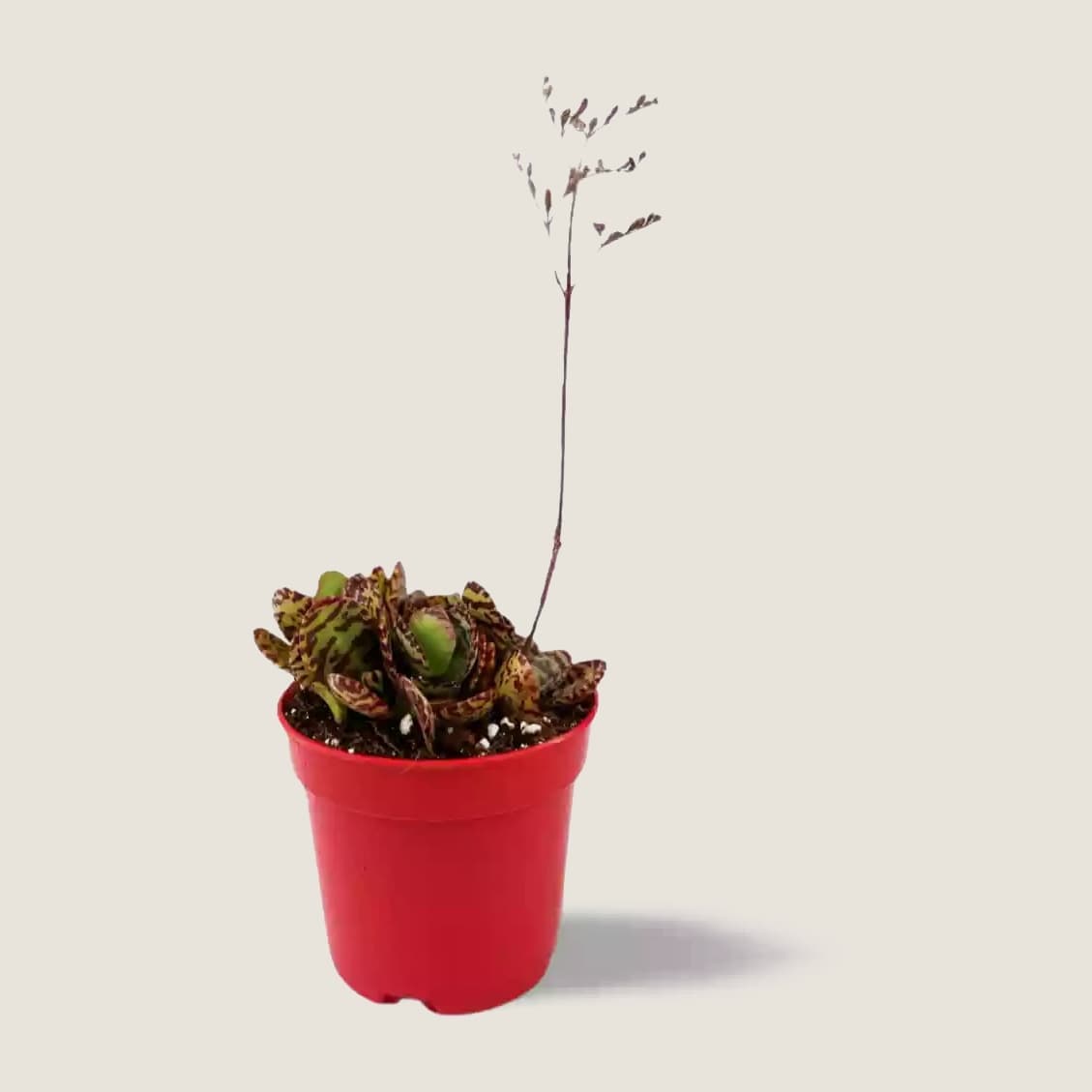
Kalanchoe humilis
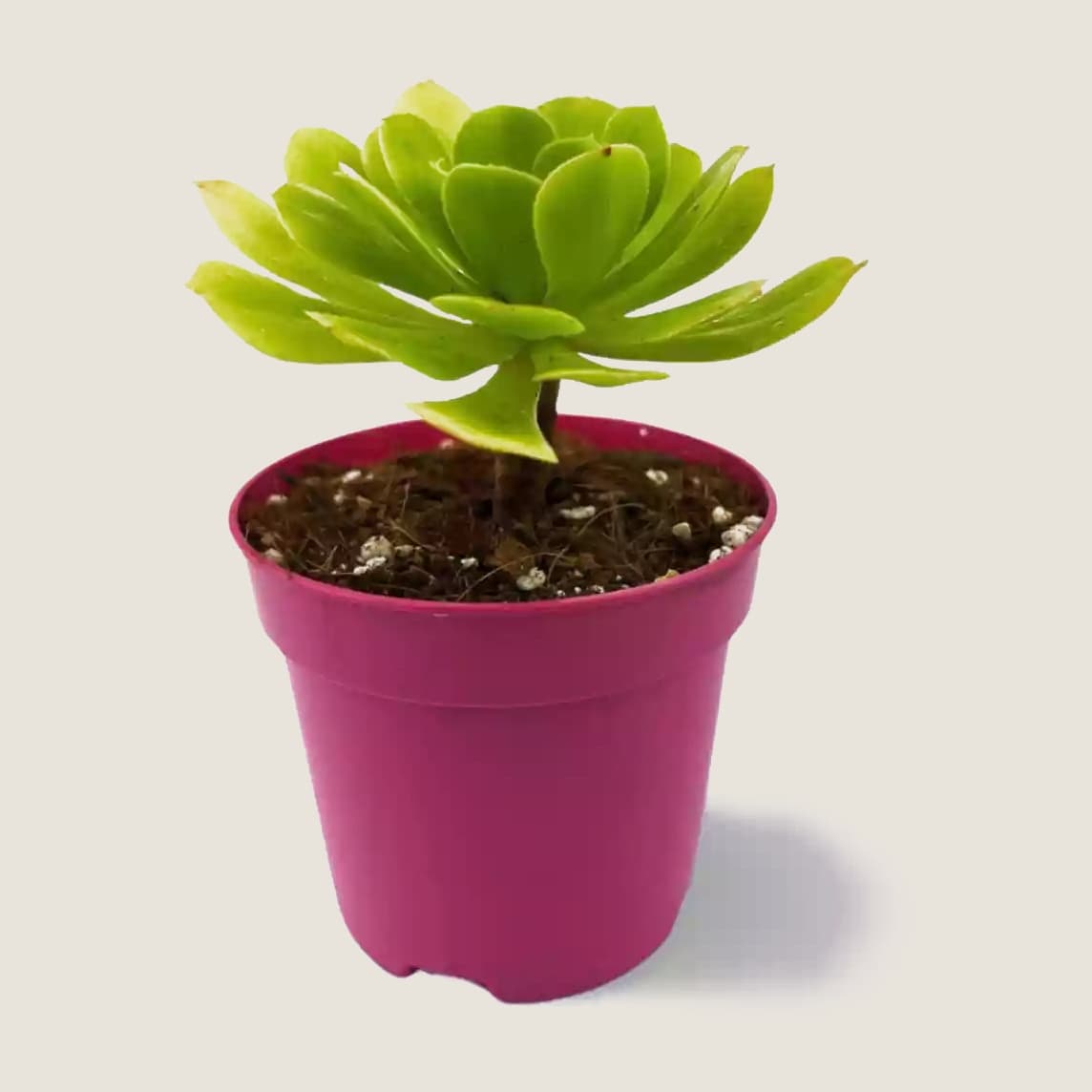
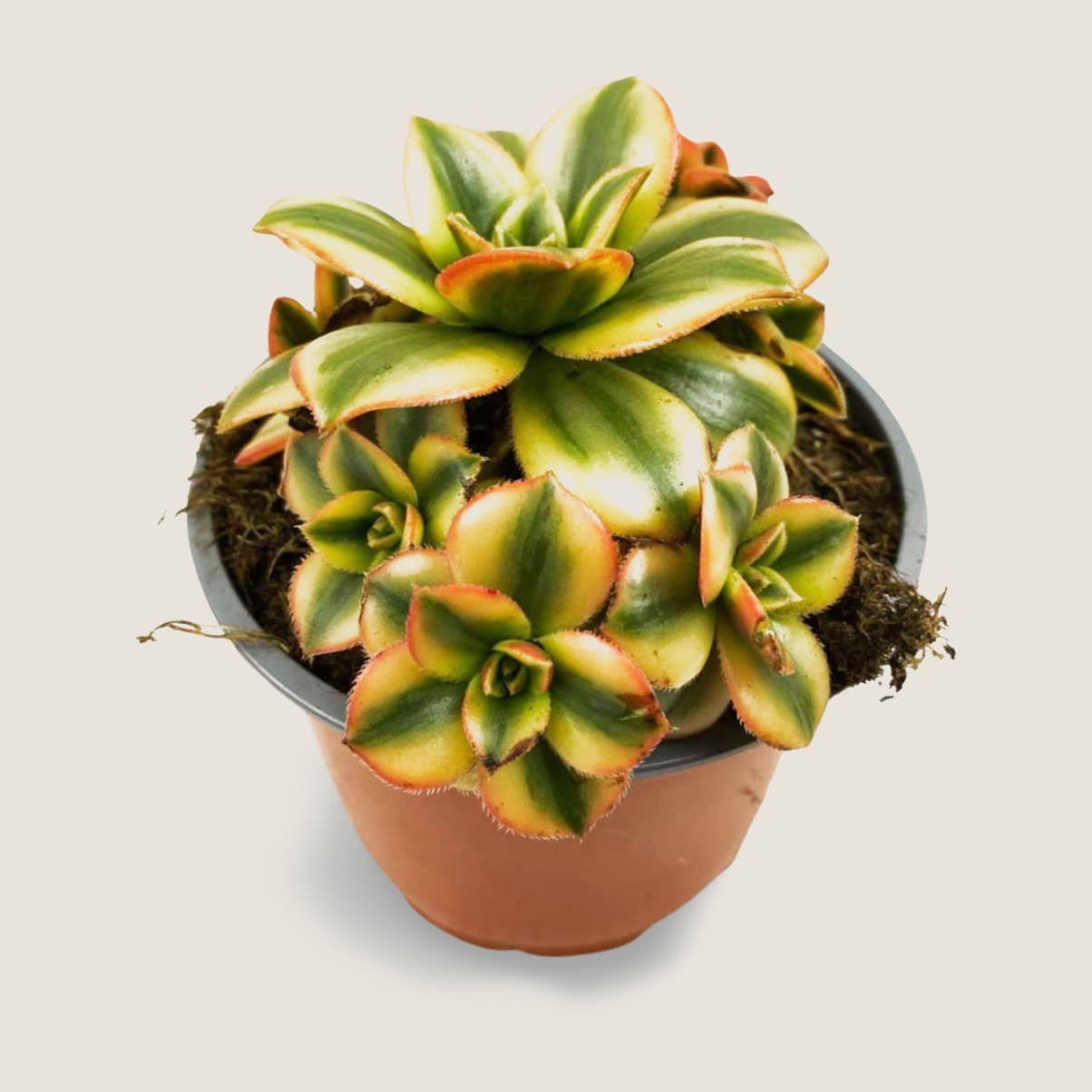
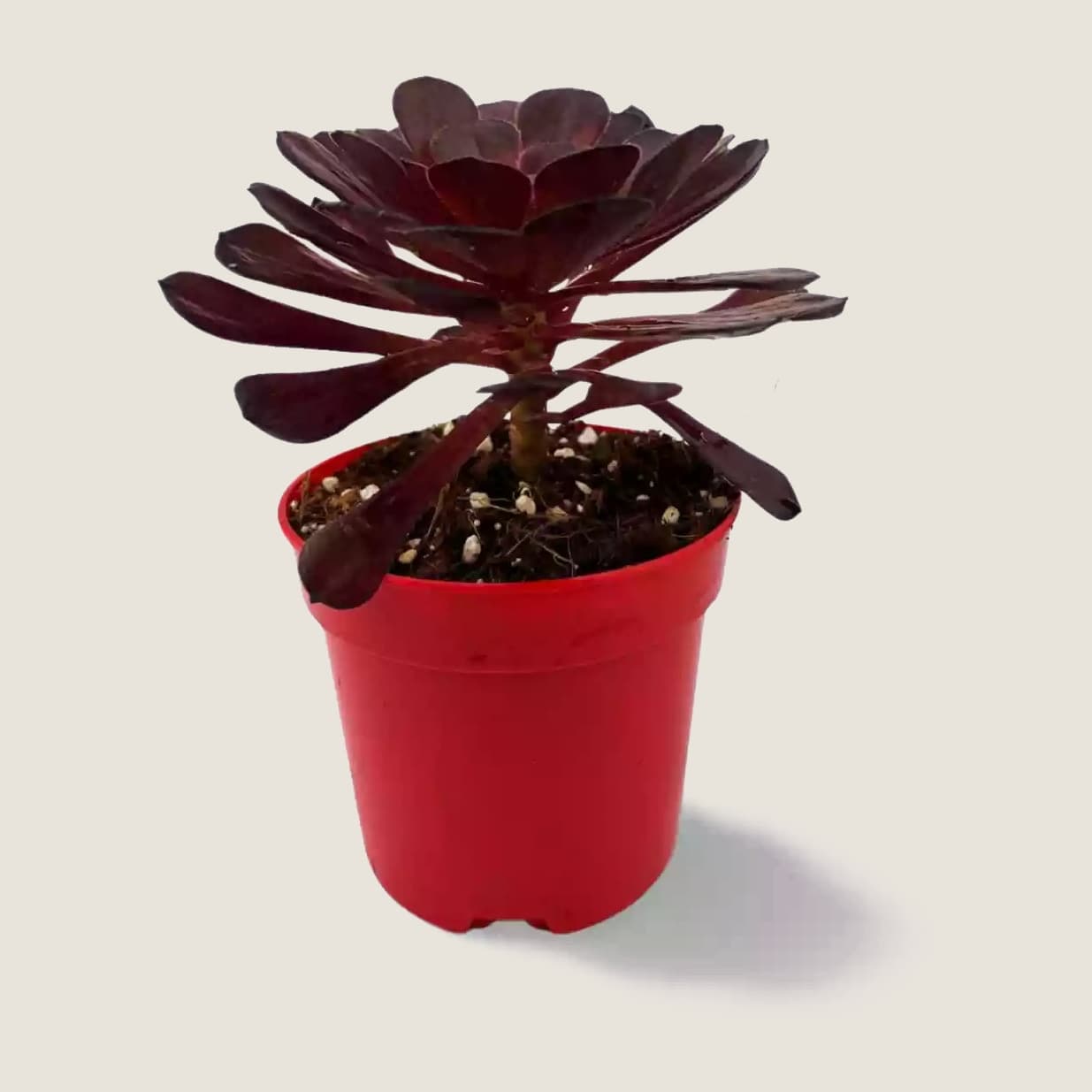
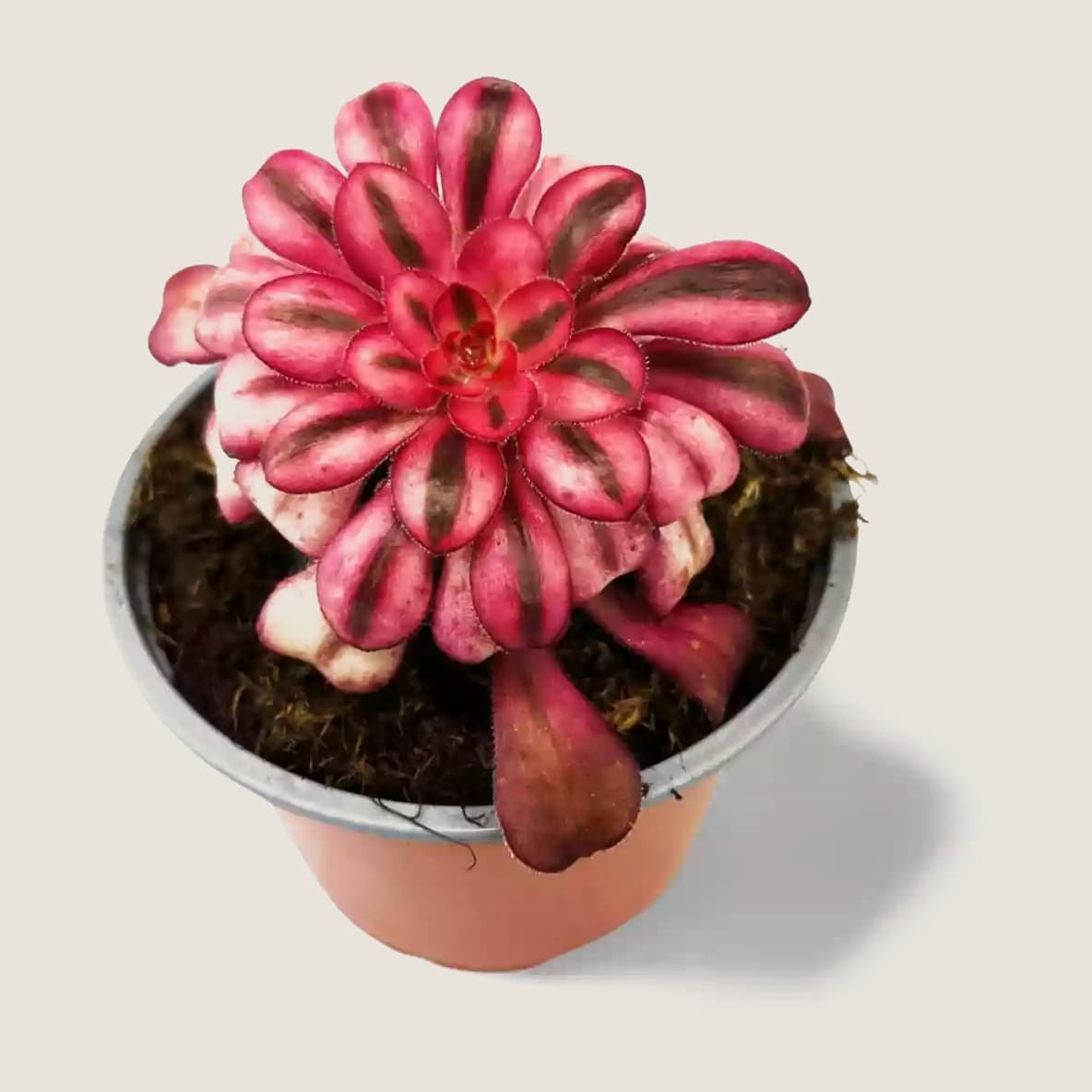
CrassulaceaeKalanchoe humilis · a succulent from the Crassulaceae family, with fleshy leaves and long-lasting blooms. Grown in our nursery in the Almería desert in full sun, with minimal watering and 100% mineral soil—the plant pictured is the one you will receive.
About Kalanchoe humilis
Kalanchoe humilis is one of the most distinctive succulents in the Crassulaceae family. Its origin is in Madagascar and southern Africa. It stands out for varied succulent leaves (smooth, lobed, hairy), a peculiarity that has fascinated botanists and enthusiasts for generations.
At Succulentae we produce Kalanchoe humilis with artisanal technique in southeastern Spain, following a cultivation protocol that replicates the sun, dryness and mineral conditions of its native habitat. This produces stronger specimens, with intense coloration and compact form, ready to join your collection.
Botanical fact sheet
| Scientific name | Kalanchoe humilis | |
| Family | Crassulaceae | |
| Origin | Madagascar and southern Africa | |
| Natural habitat | dry scrubland and coastal zones | |
| Adult size | 15-200 cm depending on species | |
| Flowering | prolific flowering in intense colors | |
| Propagation | very easy from cutting · some spp. produce plantlets on leaves | |
| Toxicity | toxic if ingested |
Did you know?
Some species of Kalanchoe (such as K. daigremontiana, "Mother of Thousands") produce plantlets ready to root on the leaf edges, one of the most efficient asexual reproduction strategies in the plant kingdom.
Luz
Very bright light with some direct sun
Riego
Sparse; sensitive to overwatering
Sustrato
Very free-draining mineral substrate, specific for cacti and succulents
Temperatura
Protect below 10 °C (cold-sensitive)