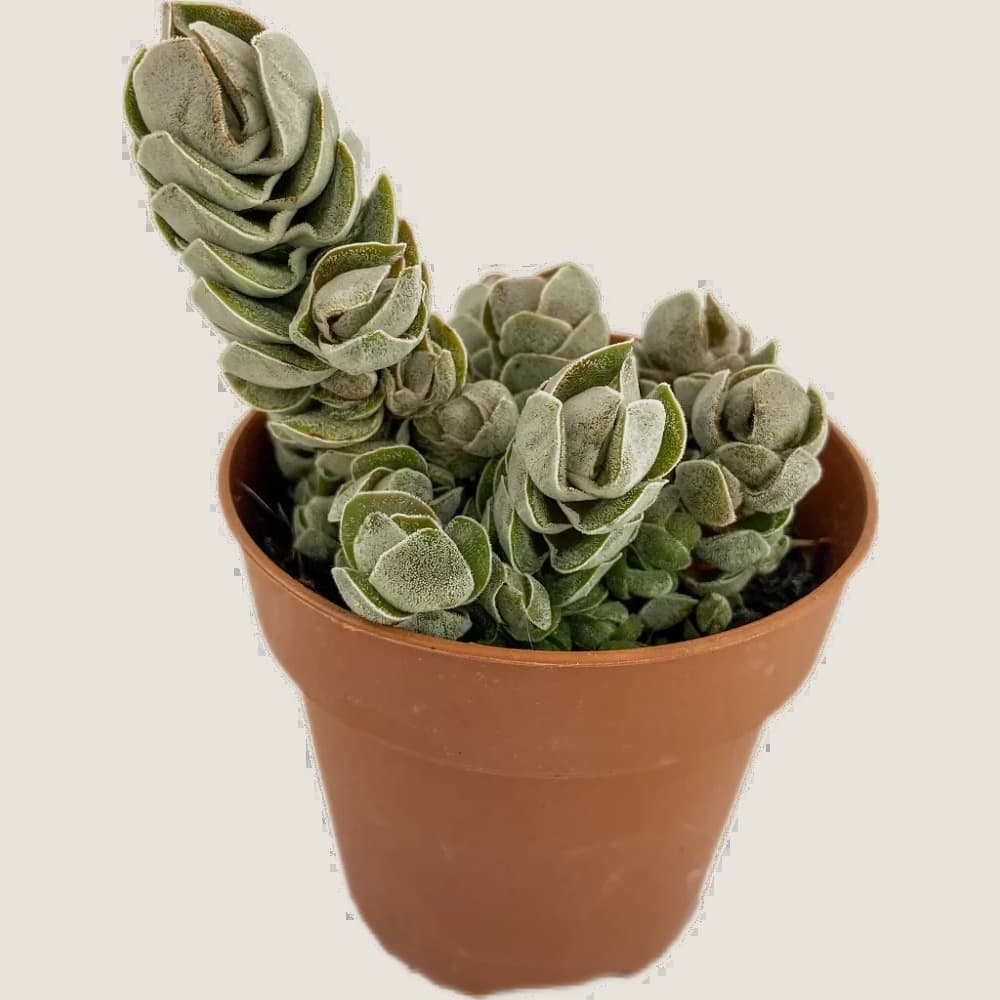
Crassula Buddha Temple
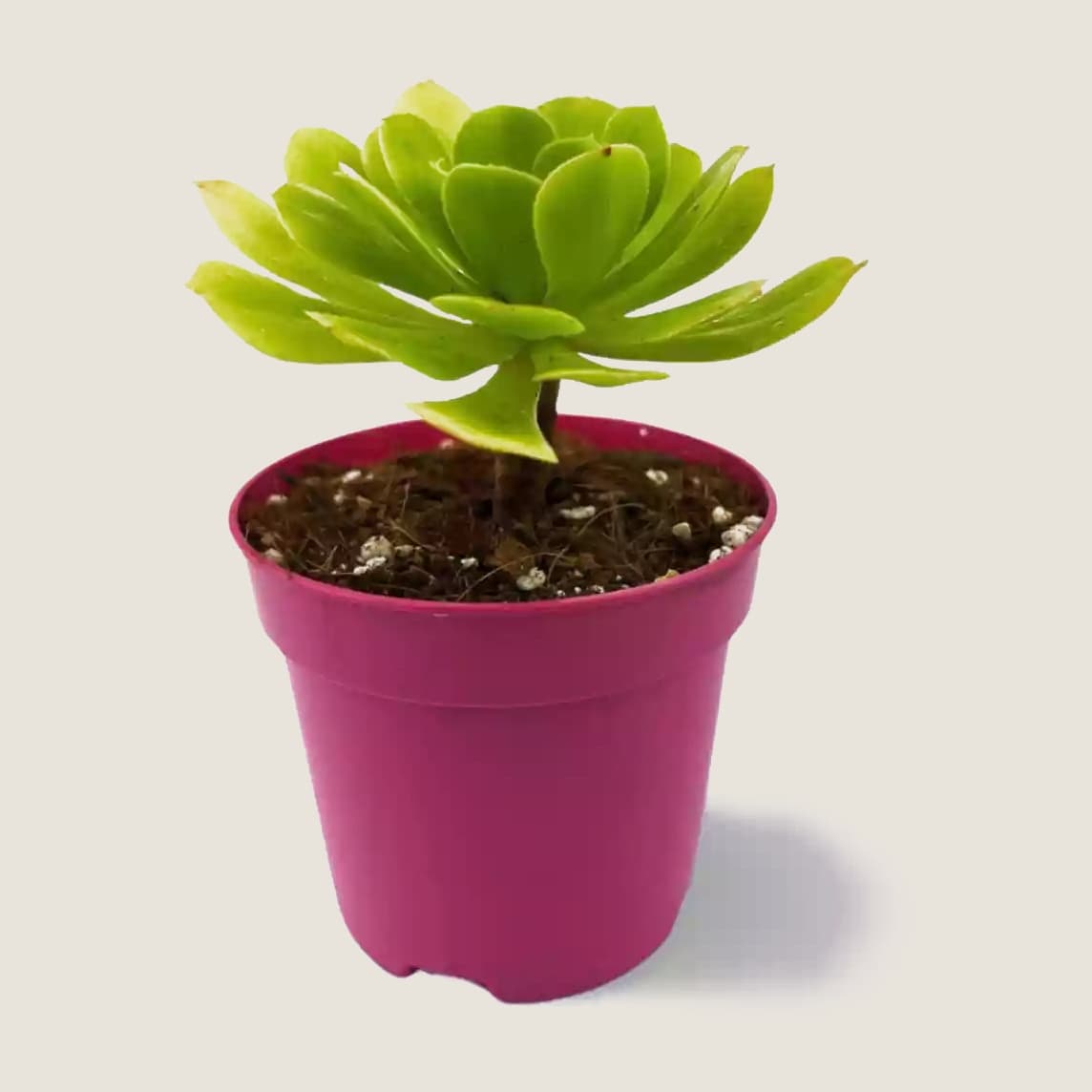
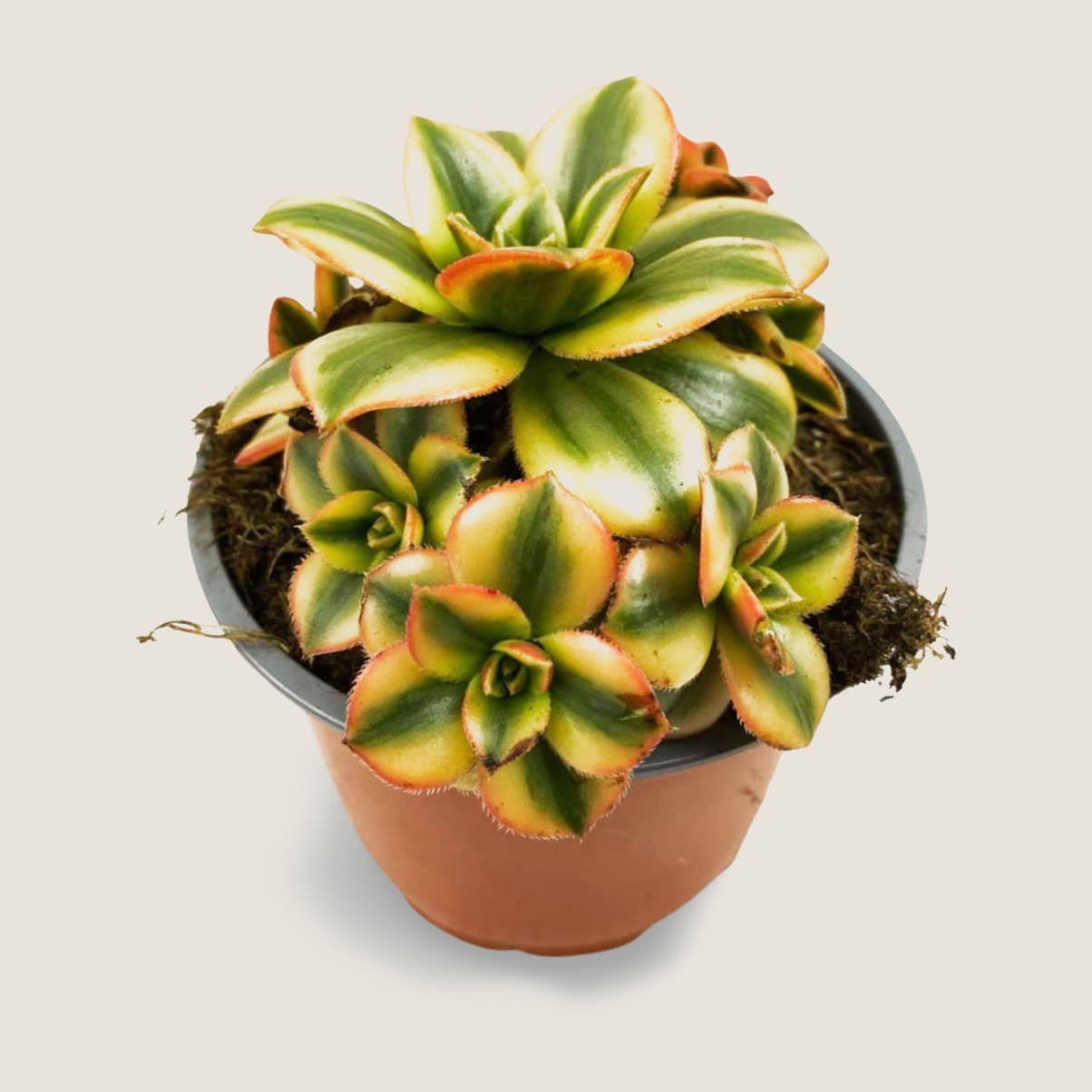
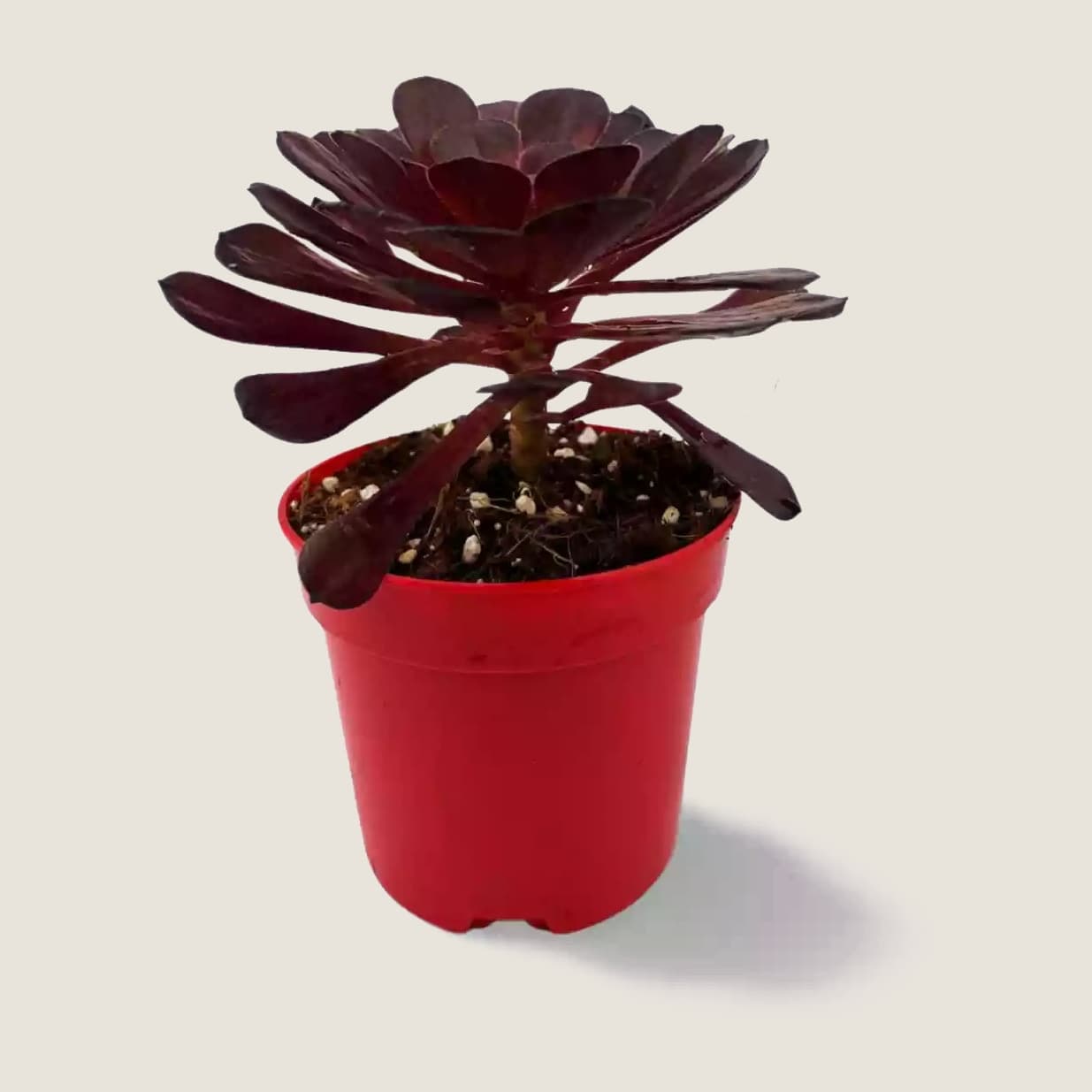
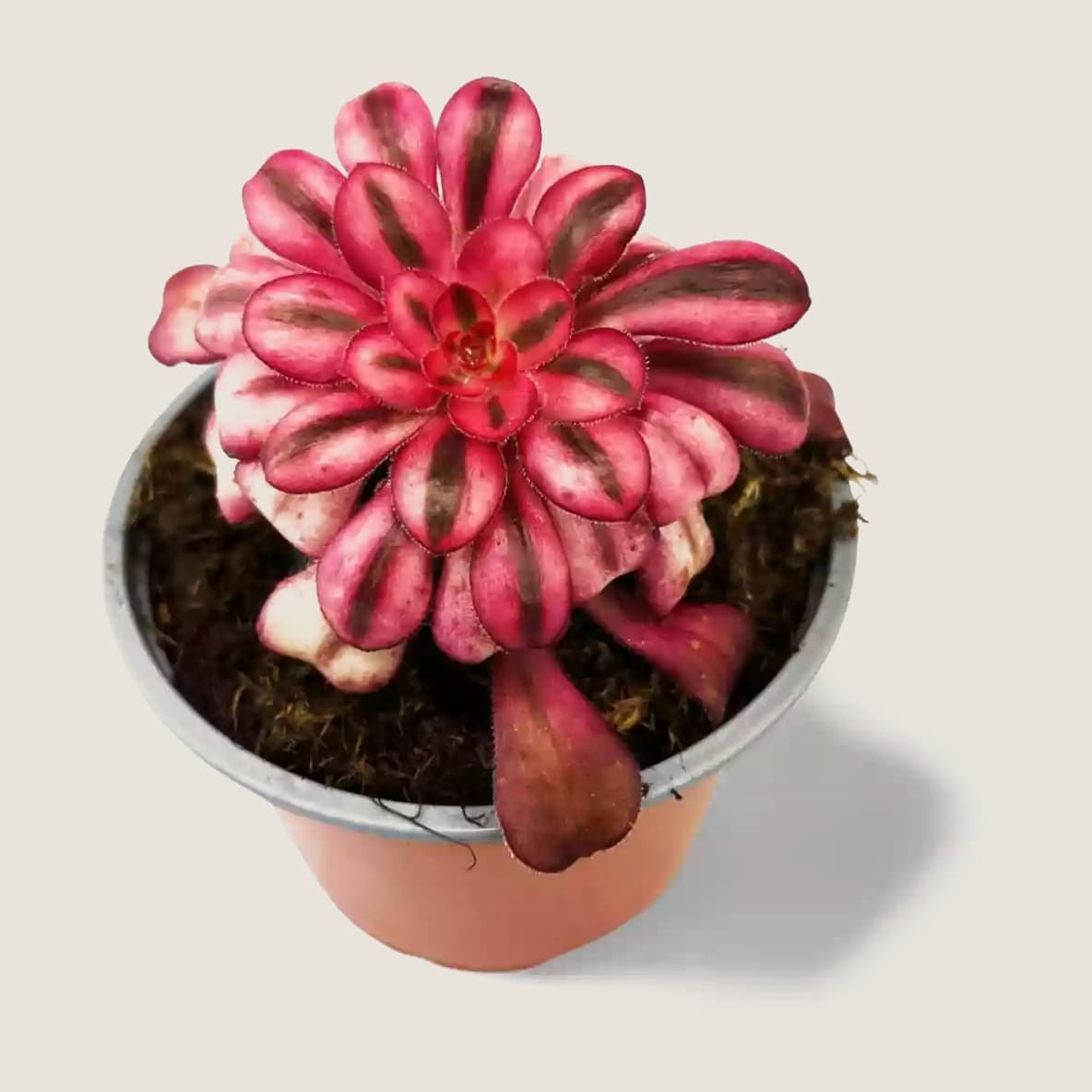
CrassulaceaeCrassula Buddha Temple · a succulent from the Crassulaceae family, with fleshy, opposite leaves forming geometric patterns. Grown in our nursery in the Almería desert under full sun, with minimal watering and 100% mineral soil—the plant pictured is the one you will receive.
About Crassula Buddha Temple
Coming from mainly South Africa, also Madagascar, Crassula Buddha Temple is a succulent of the Crassulaceae family appreciated by collectors and enthusiasts. The most striking thing about this plant is opposite fleshy leaves in columns or rosettes, a feature that defines its personality and sets it apart within its genus.
Your Crassula Buddha Temple has been grown at Succulentae, a specialized nursery in Almería, under real Mediterranean arid conditions — more resilient and better adapted than artificial greenhouse plants. This produces stronger specimens, with intense coloration and compact form, ready to join your collection.
Botanical fact sheet
| Scientific name | Crassula Buddha Temple | |
| Family | Crassulaceae | |
| Origin | mainly South Africa, also Madagascar | |
| Natural habitat | arid and semi-arid zones | |
| Adult size | 5 cm to 3 m depending on species | |
| Flowering | small star-shaped white or pink flowers | |
| Propagation | leaf or stem cutting, very easy | |
| Toxicity | toxic if ingested |
Did you know?
Crassula ovata is known as the "Money Tree" or "Jade Tree" in Asian culture and is considered a symbol of prosperity and good luck.
Luz
Direct sun or very bright light
Riego
Moderate in spring-summer, sparse in winter; let it dry out between waterings
Sustrato
Very free-draining mineral substrate, specific for cacti and succulents
Temperatura
Protect below 5 °C