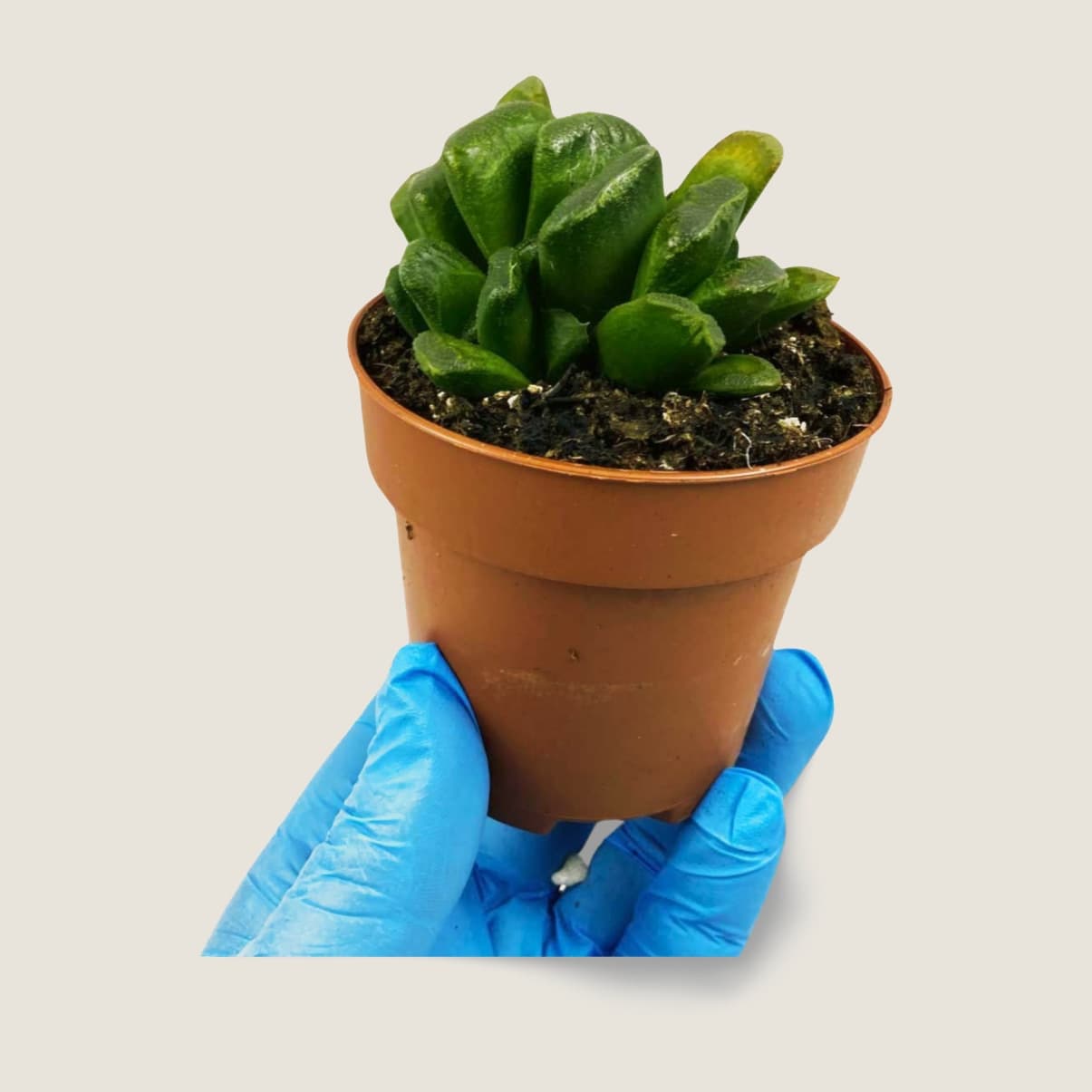
Haworthia truncata
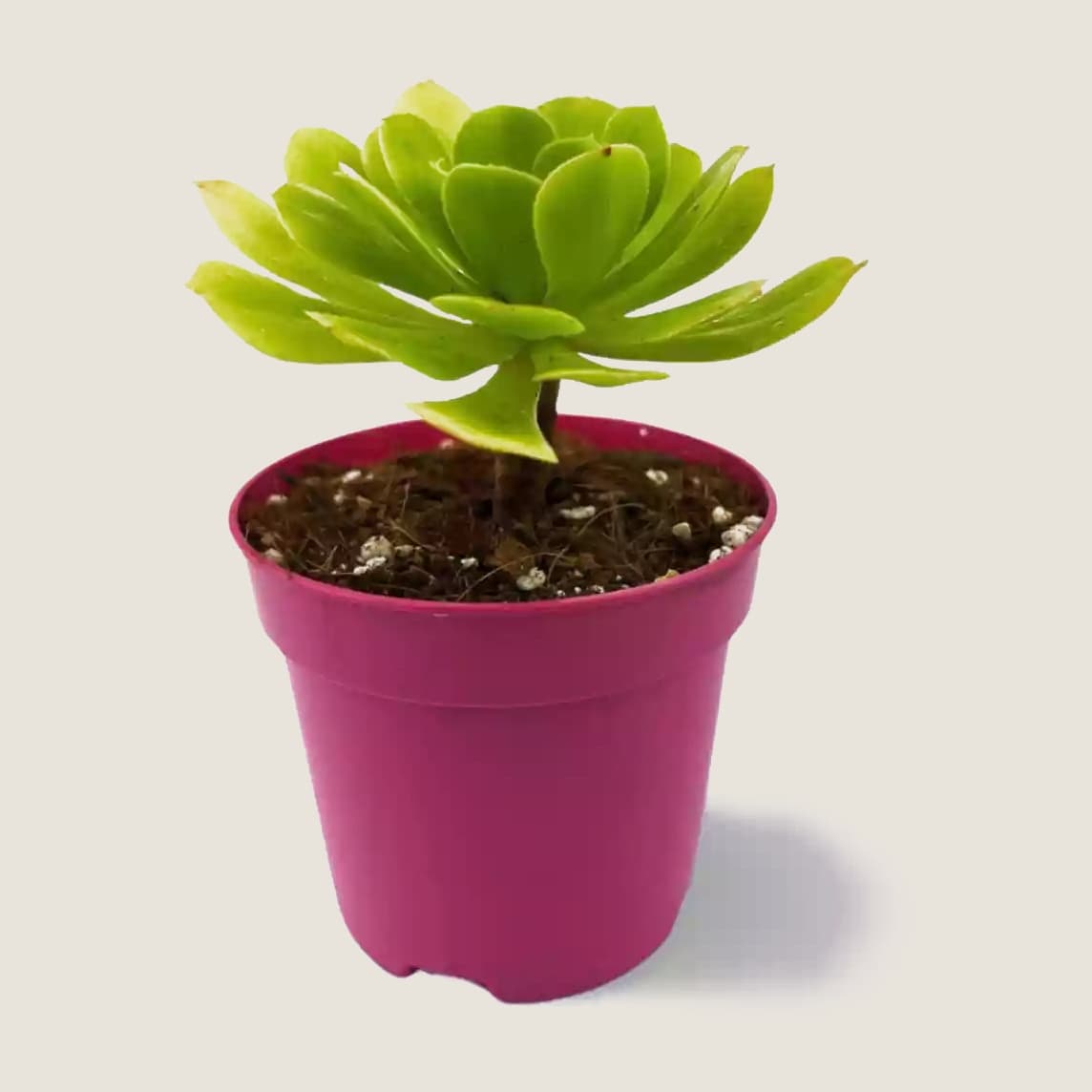
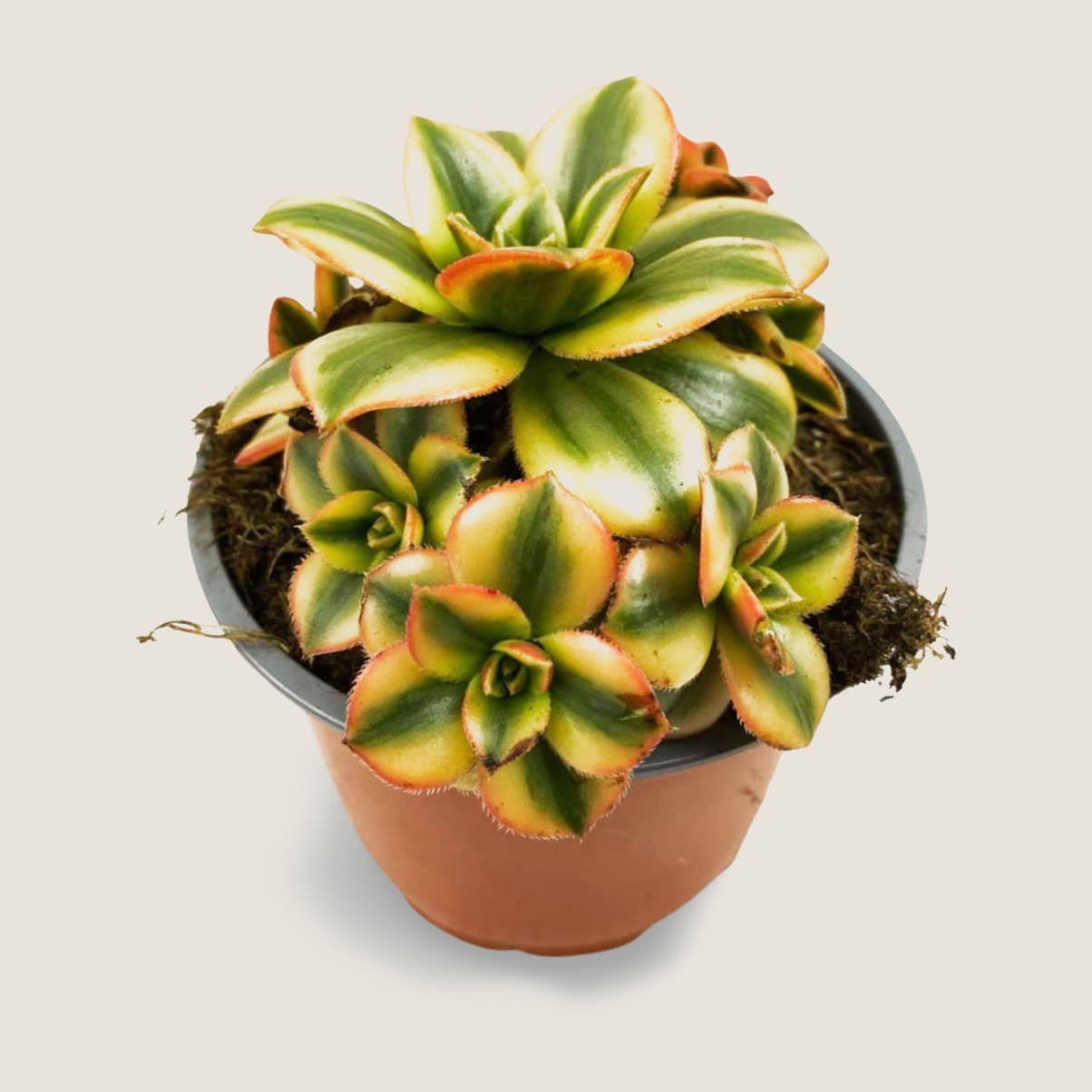
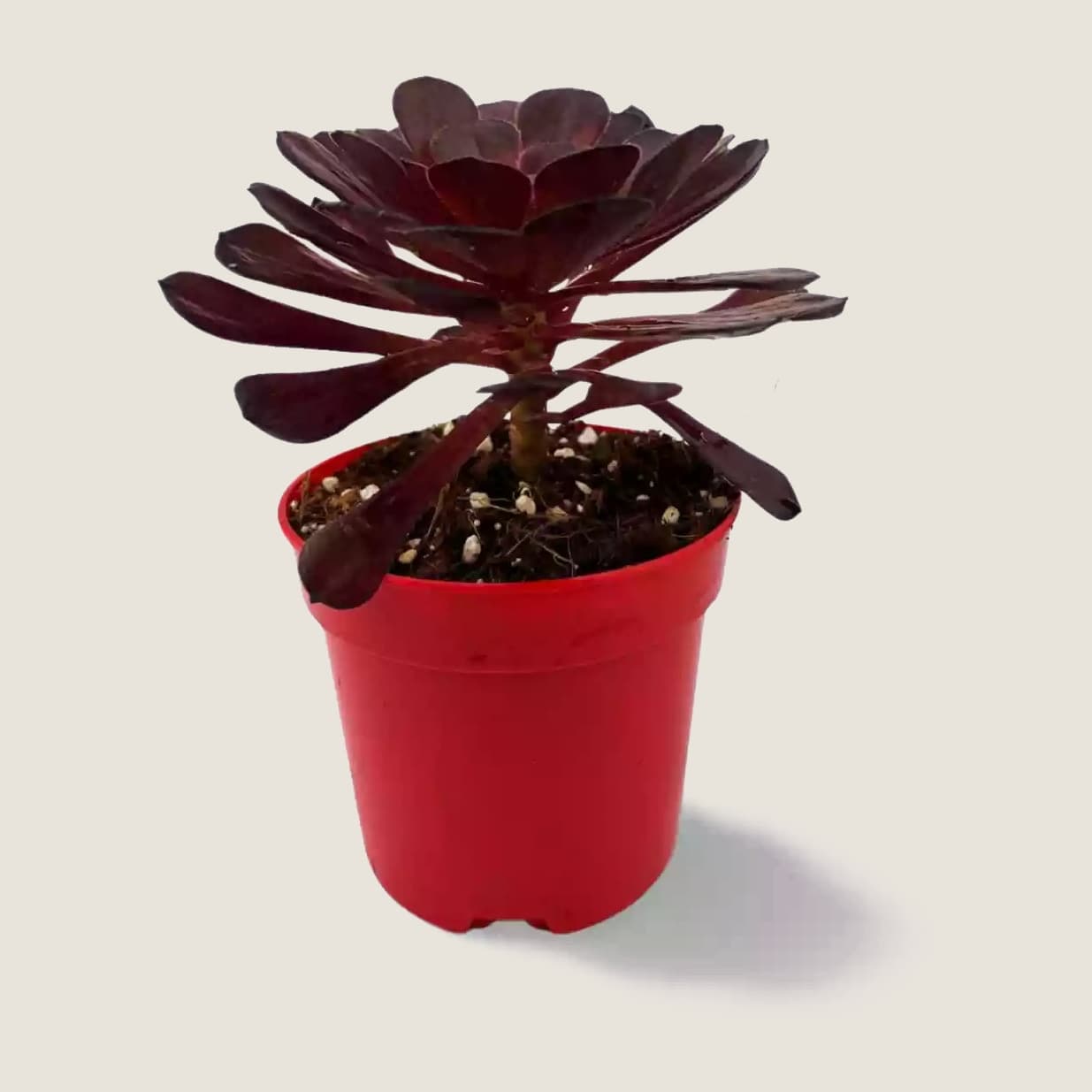
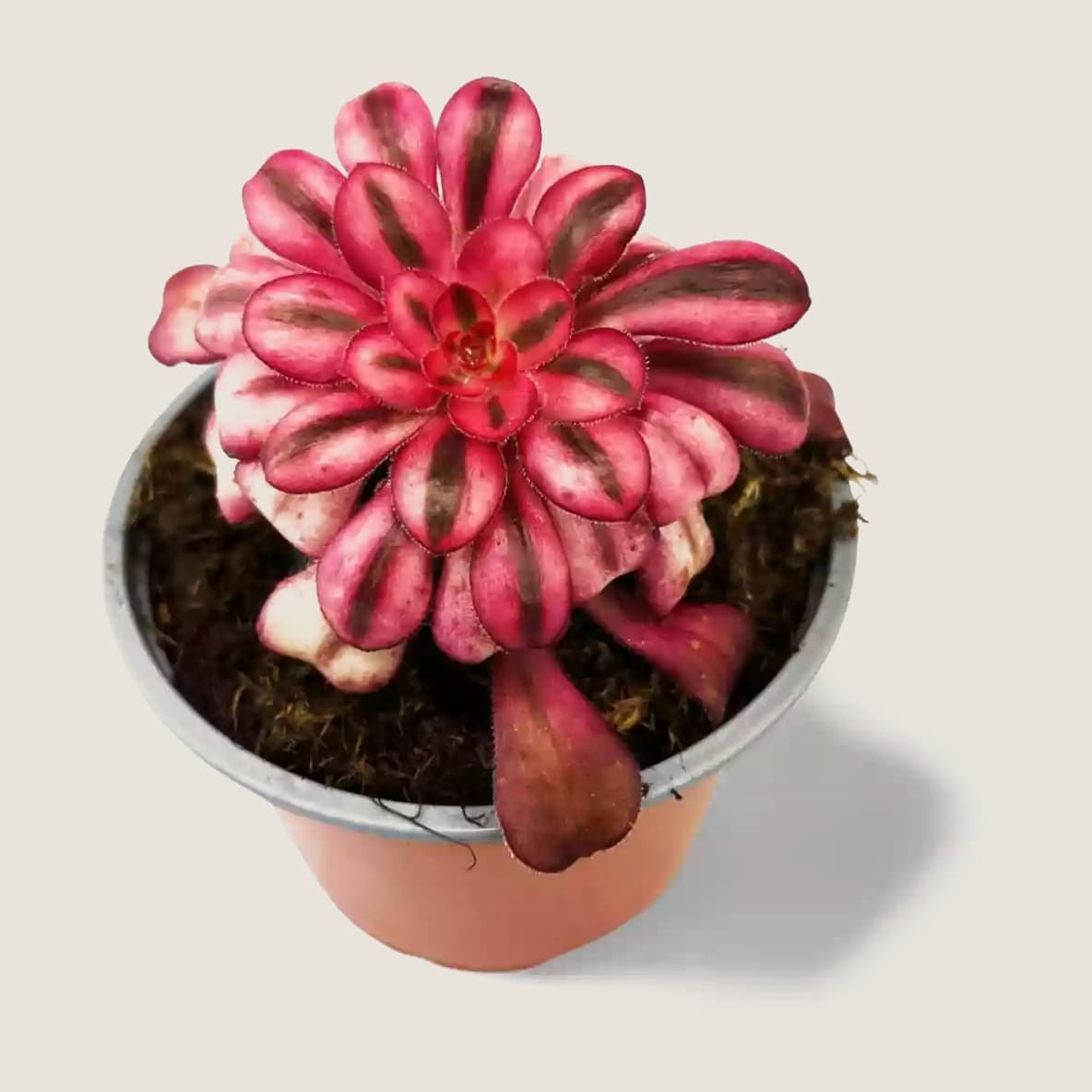
AsphodelaceaeHaworthia truncata · a succulent of the Asphodelaceae family, featuring small rosettes with translucent or striated leaves. Grown in our nursery in the Almería desert under full sun, with minimal watering and 100% mineral soil—the plant pictured is the one you will receive.
About Haworthia truncata
Coming from South Africa, Haworthia truncata is a succulent of the Asphodelaceae family appreciated by collectors and enthusiasts. It stands out for leaves with translucent "windows" at the tip, a peculiarity that has fascinated botanists and enthusiasts for generations.
Every specimen of Haworthia truncata from Succulentae is grown outdoors in our Almería nursery, exposed to desert sun and controlled mineral watering. The result: more compact, better colored and more resilient plants than those grown in artificial greenhouses.
Botanical fact sheet
| Scientific name | Haworthia truncata | |
| Family | Asphodelaceae | |
| Origin | South Africa | |
| Natural habitat | semi-desert scrubland · usually grows among rocks | |
| Adult size | 5-20 cm | |
| Flowering | small white bells on long stalks | |
| Propagation | offset or seed | |
| Toxicity | non-toxic |
Did you know?
The translucent "windows" on the leaves (especially Haworthia cooperi and H. truncata) allow light to penetrate inside the plant, a unique adaptation for photosynthesis under sand.
Luz
Bright indirect light or gentle sun (avoid intense direct sun)
Riego
Sparse; let the substrate dry out between waterings
Sustrato
Very free-draining mineral substrate, specific for cacti and succulents
Temperatura
Protect below 5 °C