Succulents
Buy succulents online from a grower you can trust: at Succulentae we cultivate every plant ourselves in sunny Almeria, on the southern coast of Spain, where the mild climate produces strong, healthy specimens ready to thrive in any home. Our catalogue brings together more than 100 succulent varieties, from everyday favourites to rare succulents that are hard to find elsewhere.
94 plants in Succulents
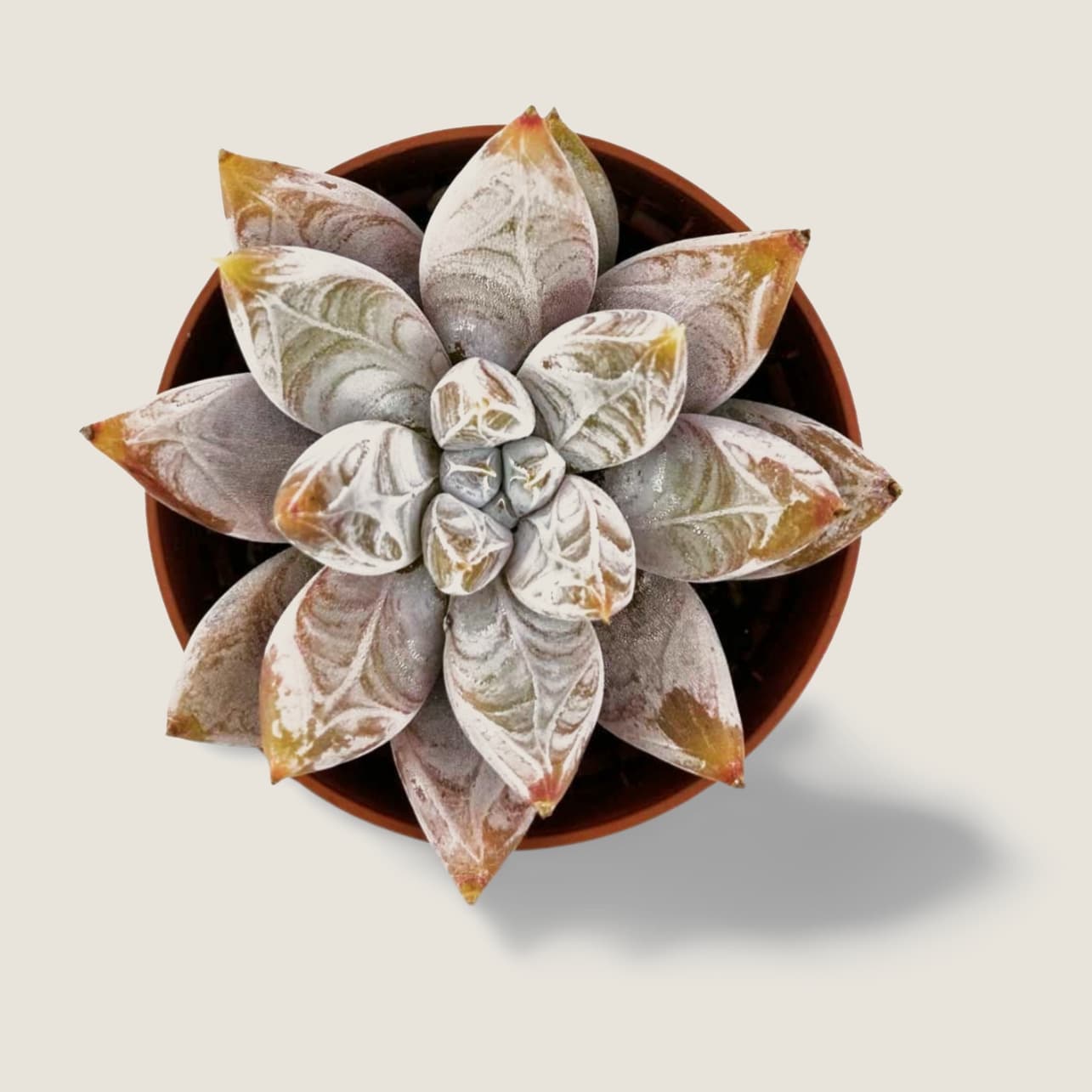
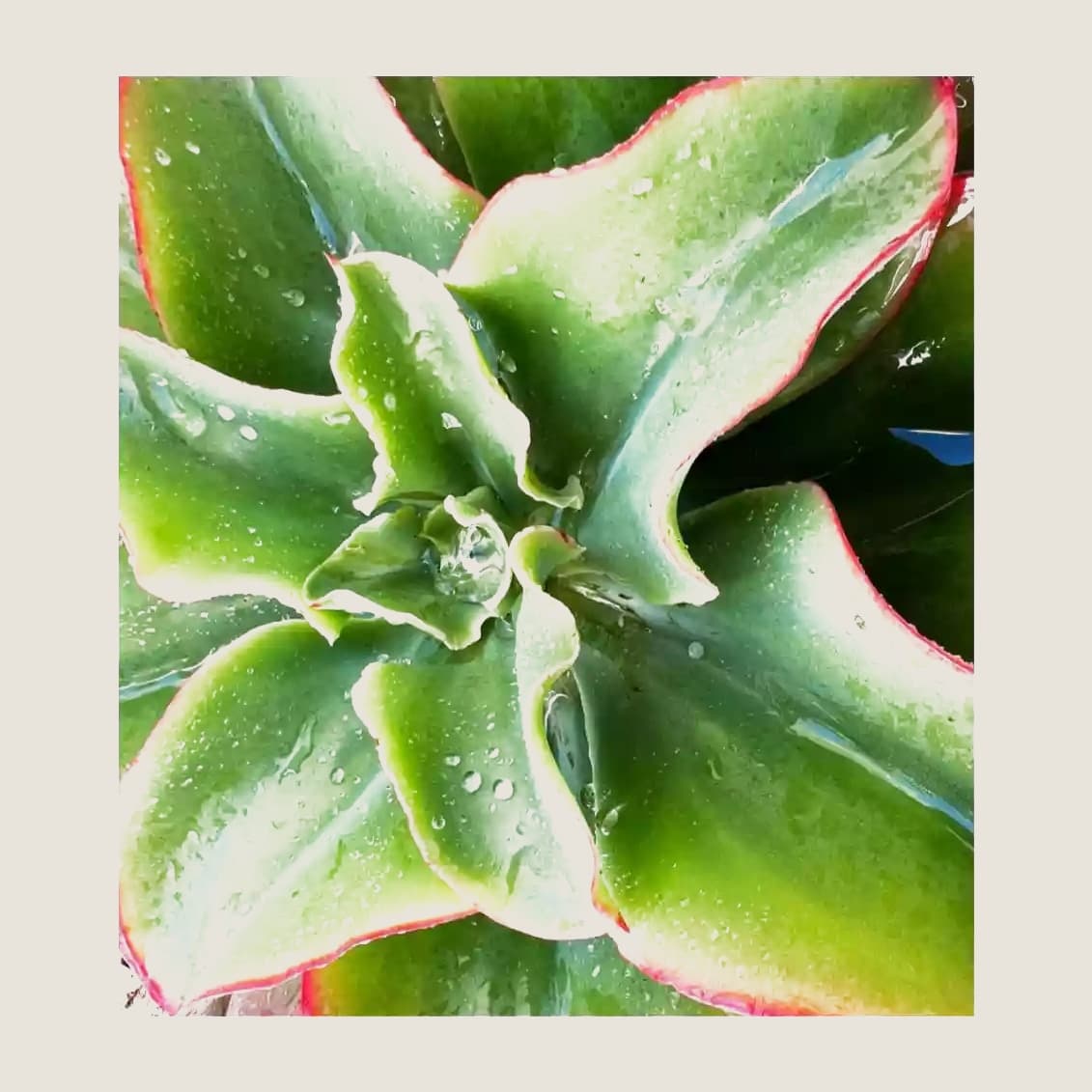
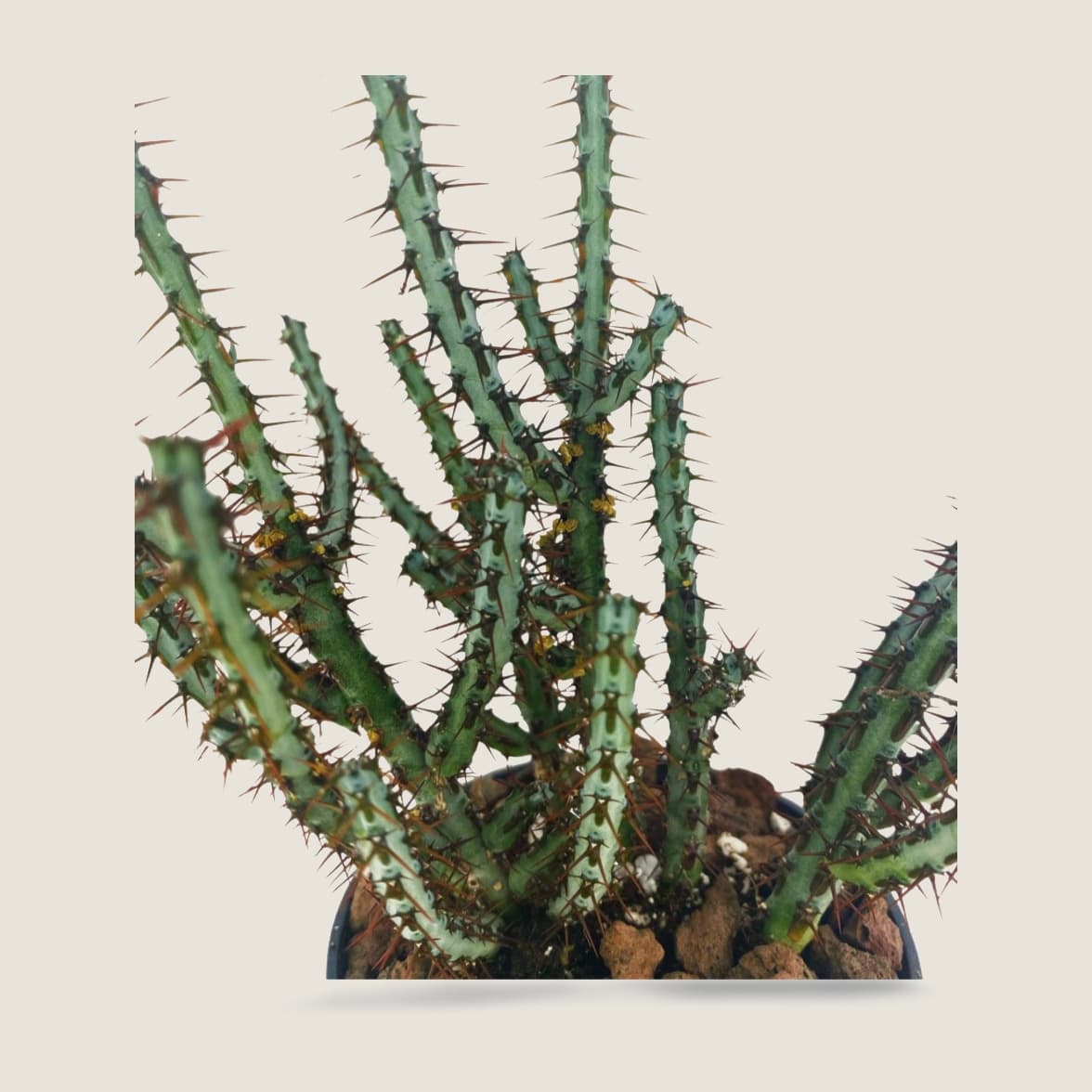
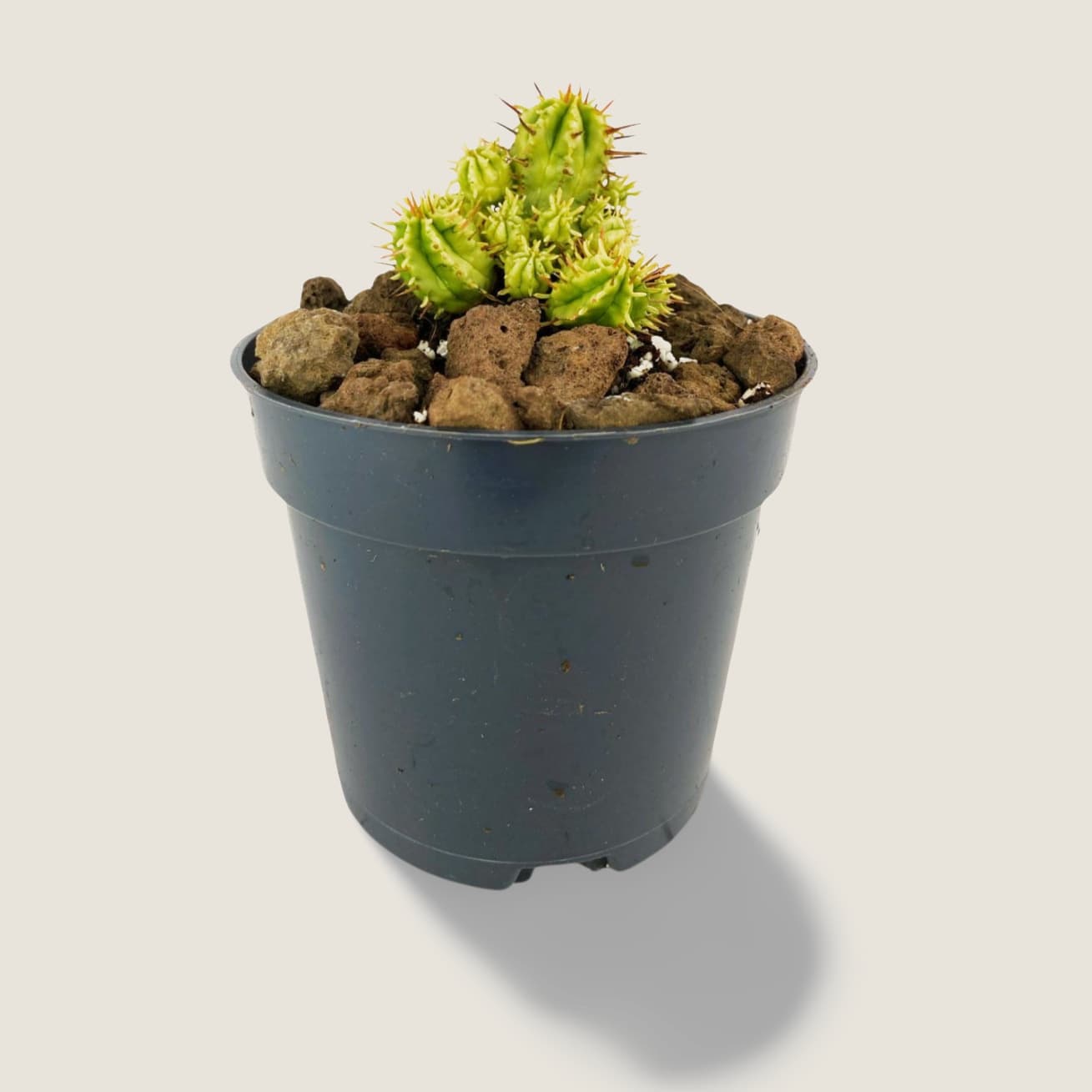
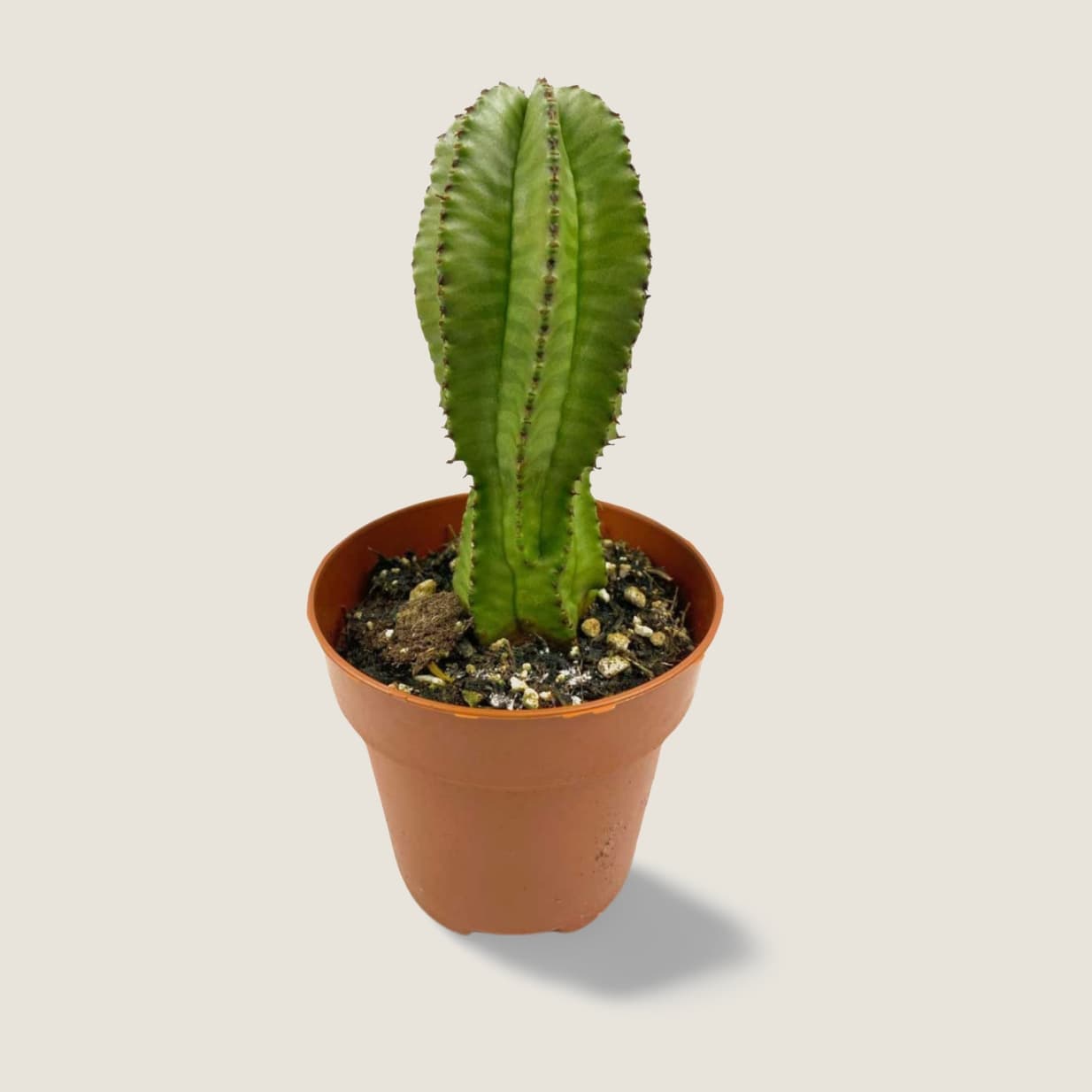
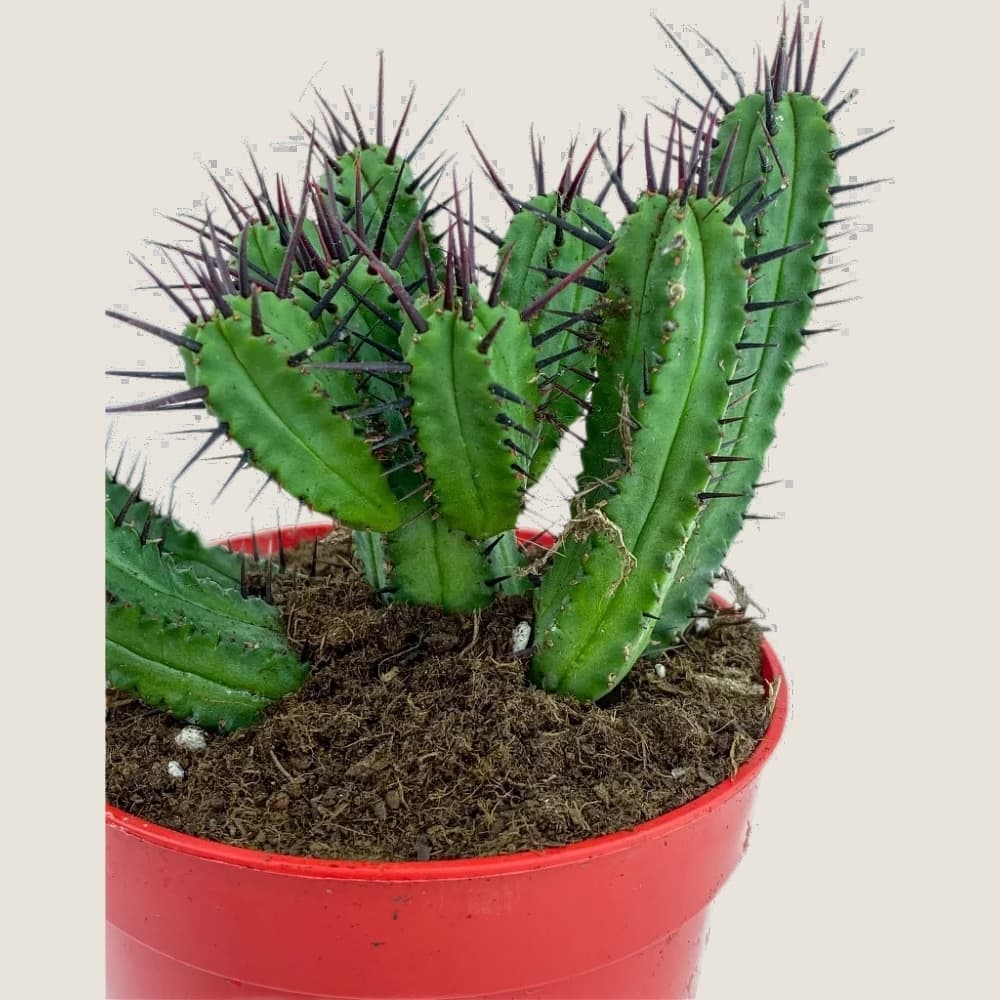
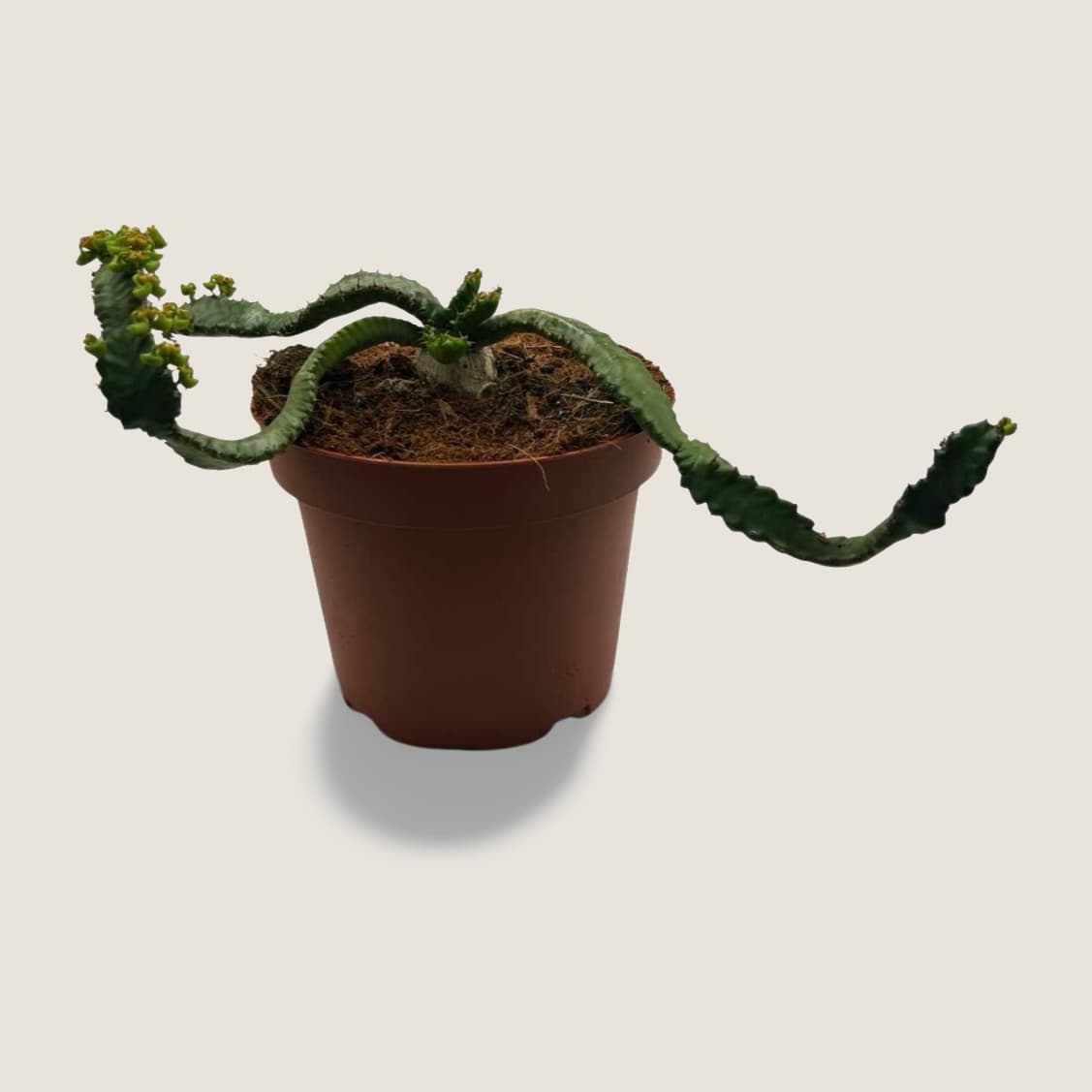
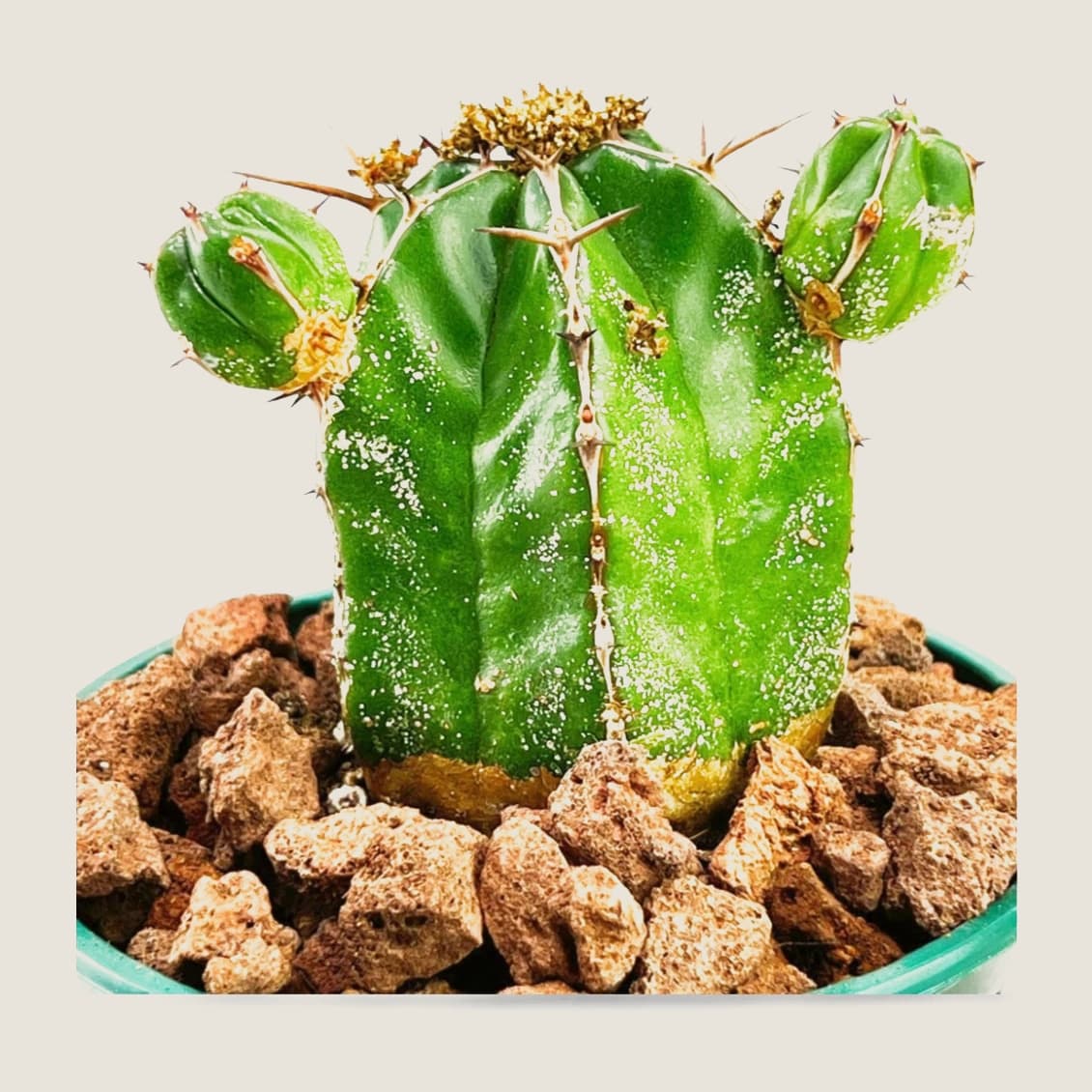
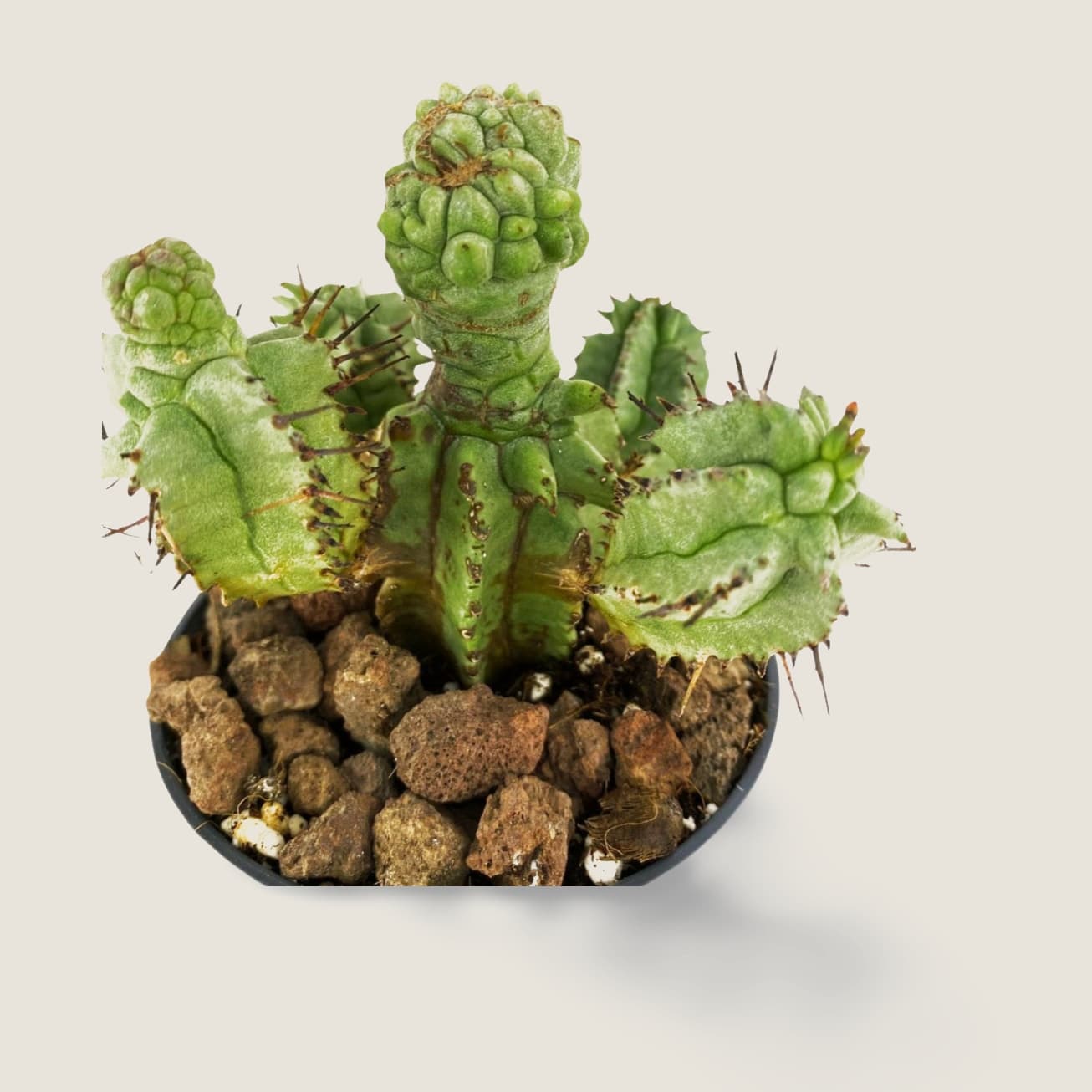
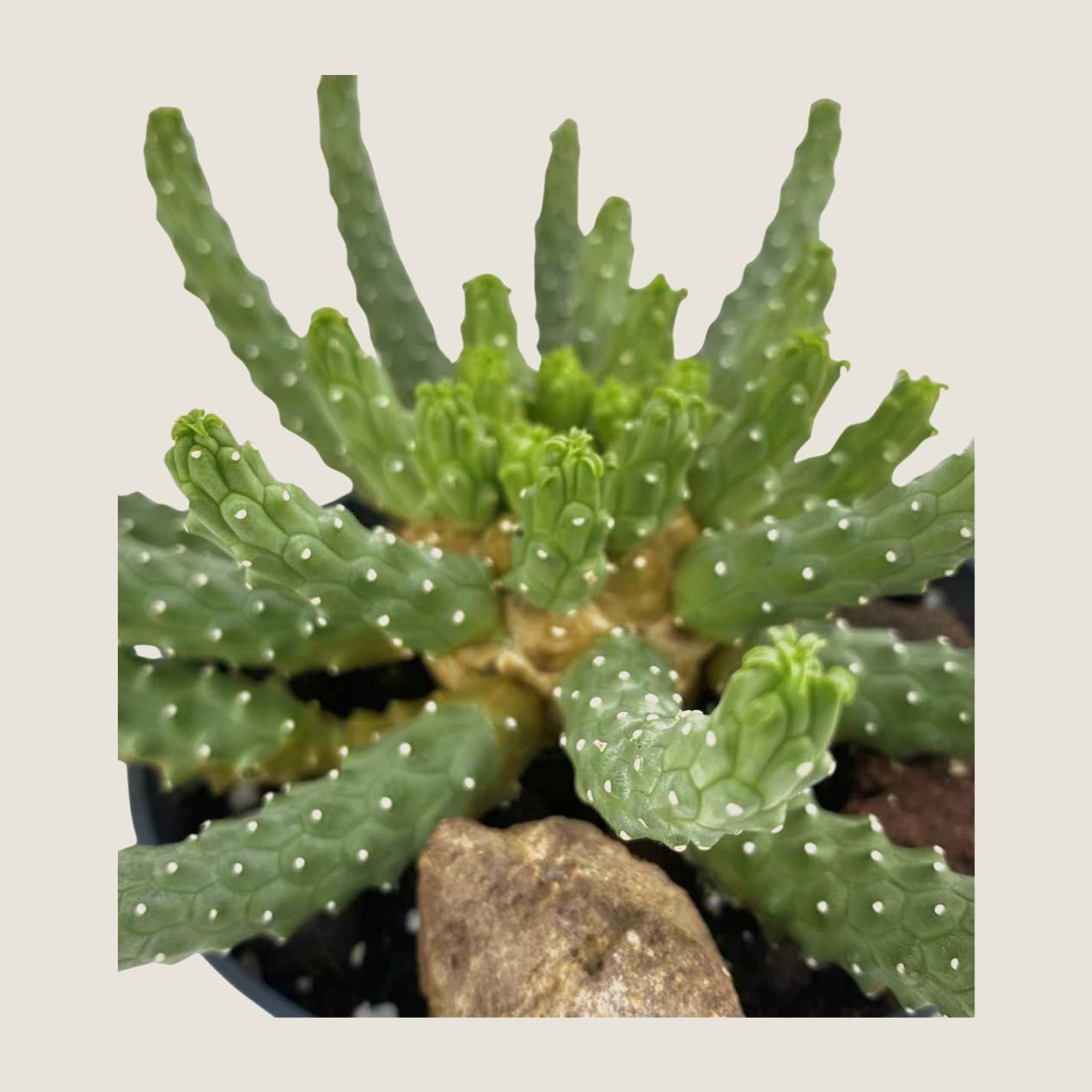
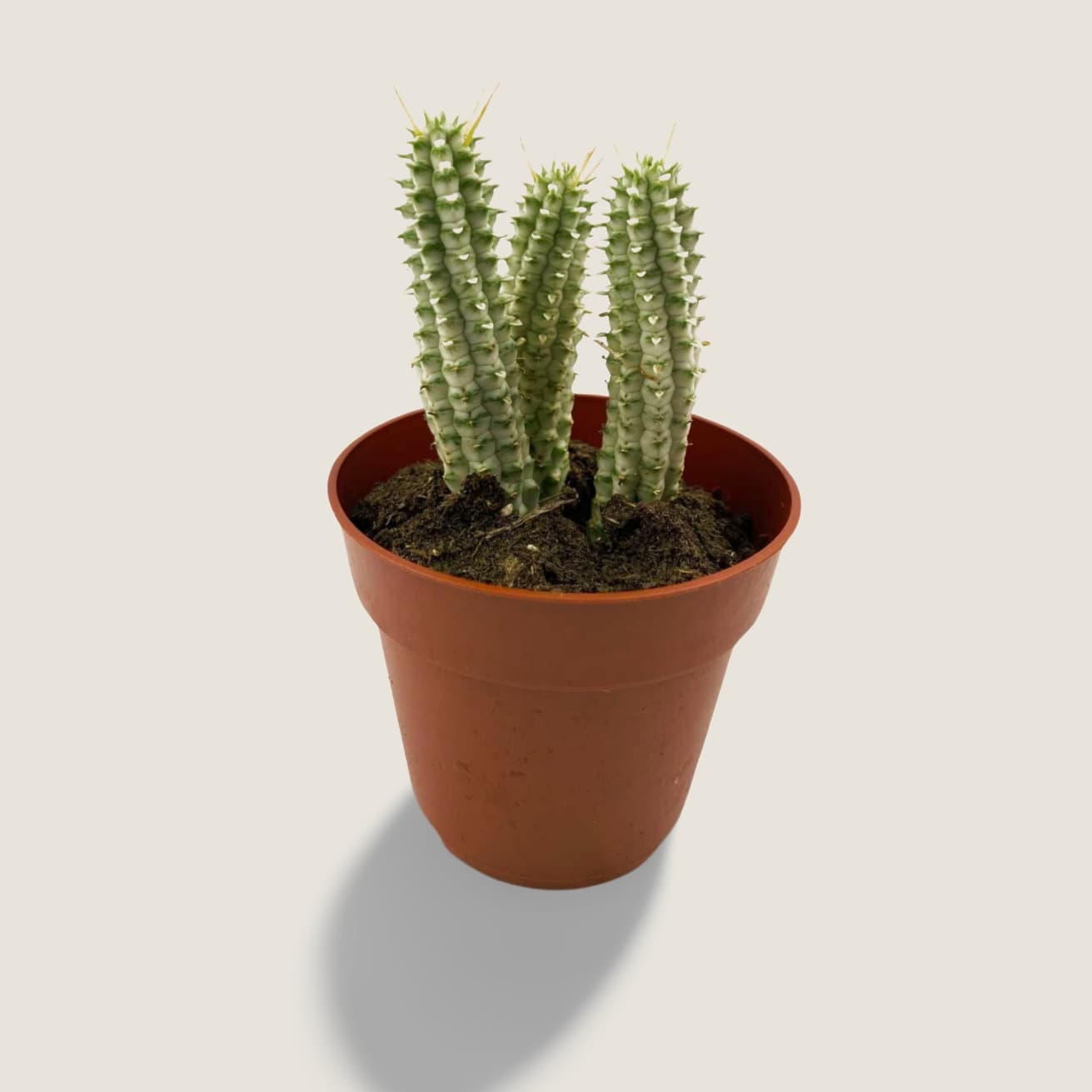
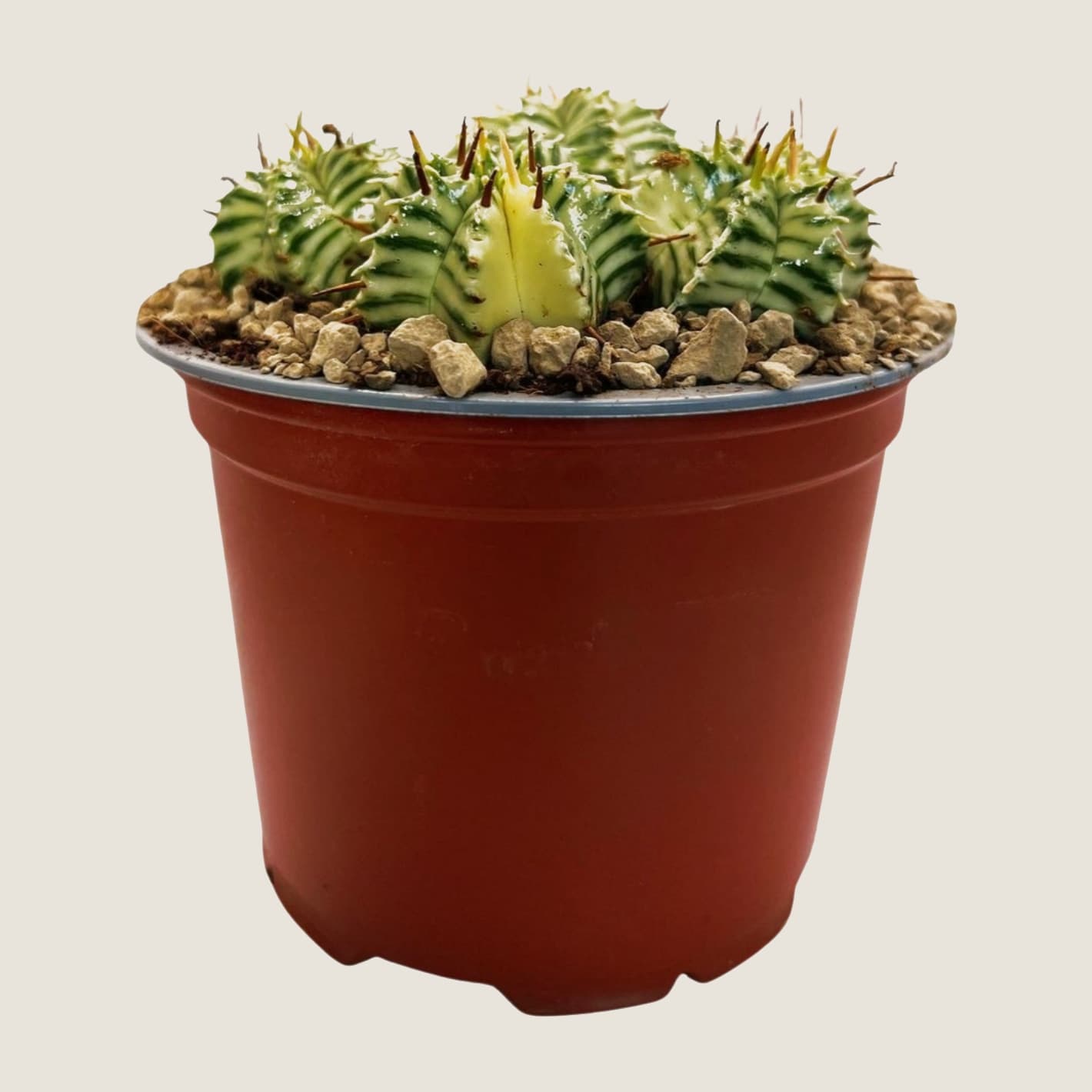
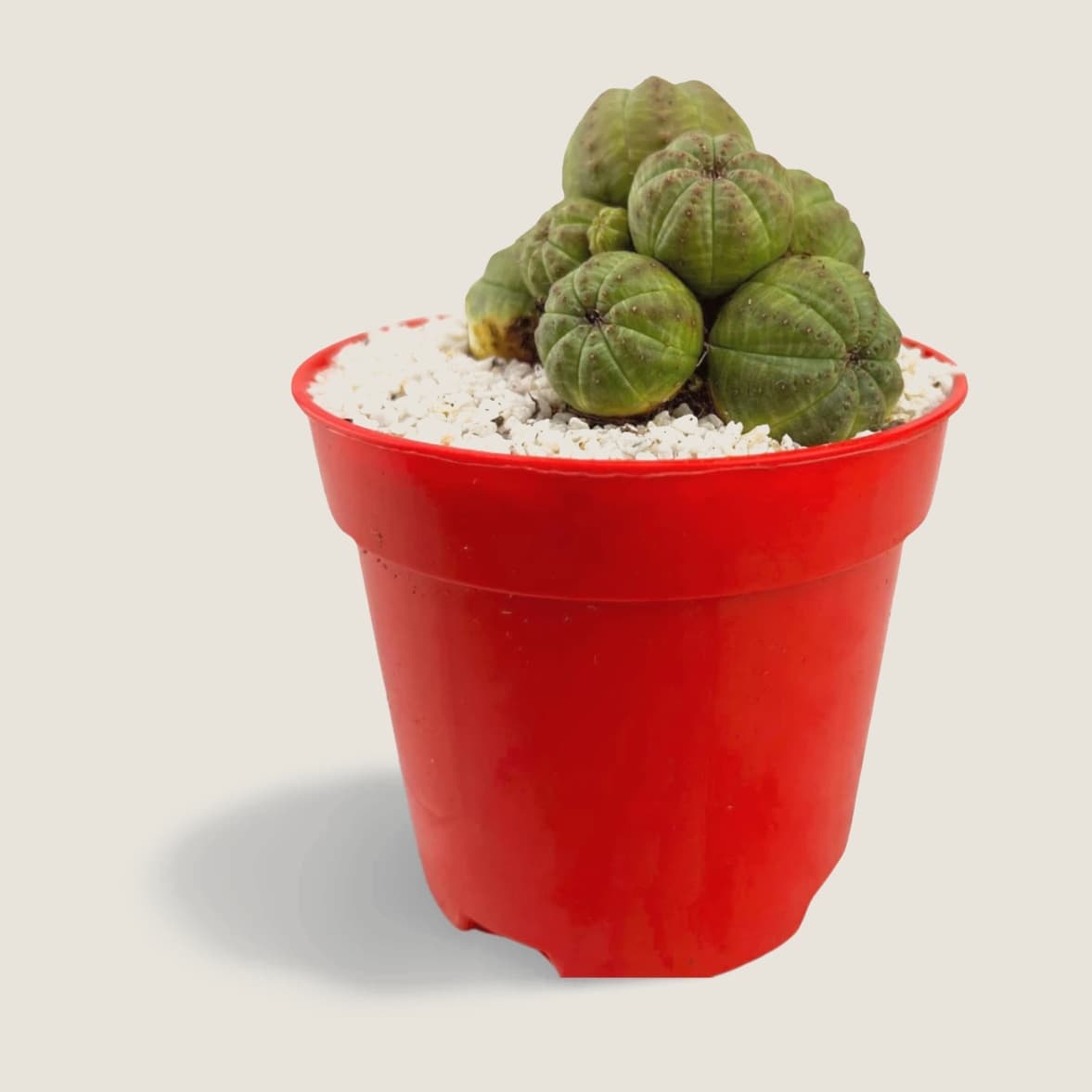
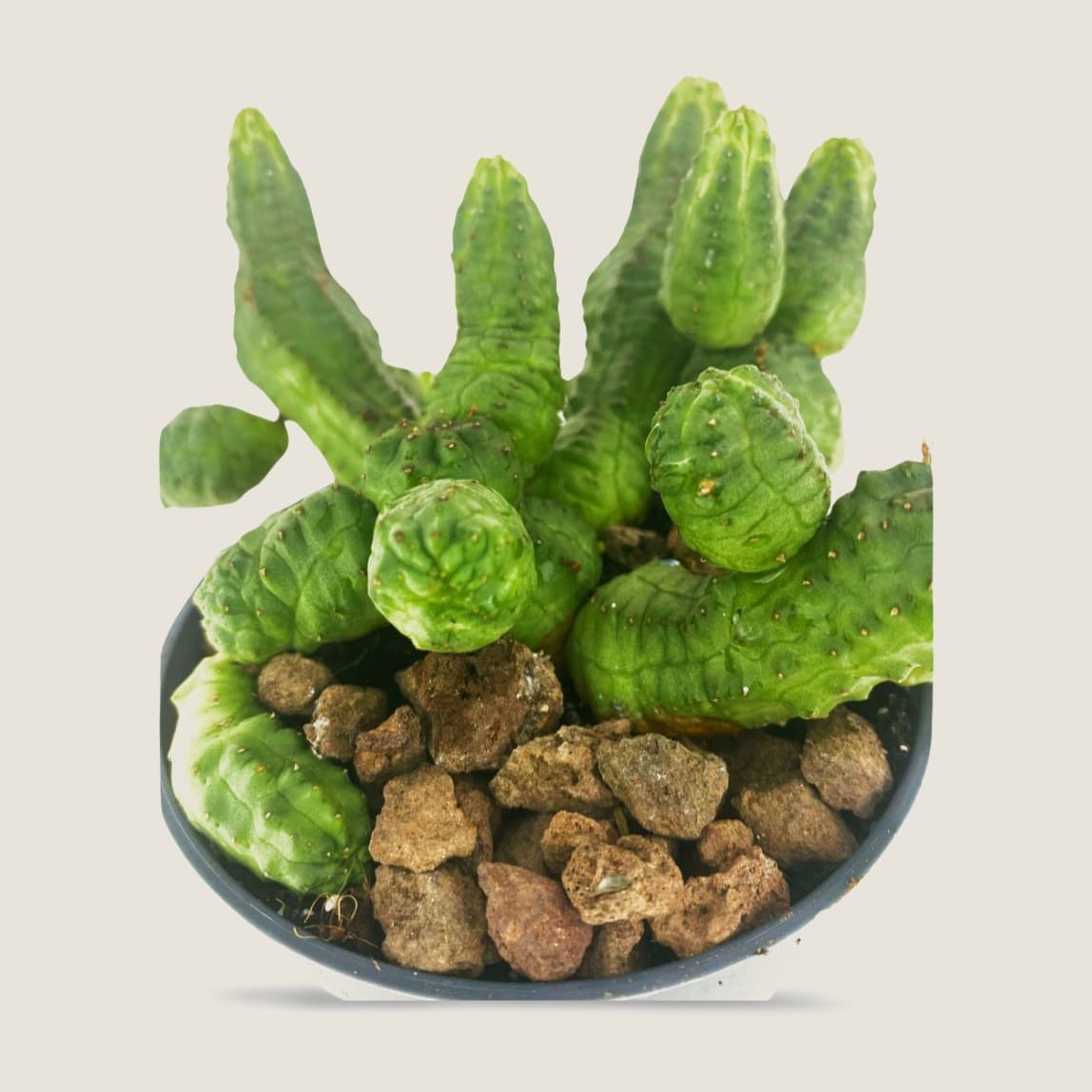
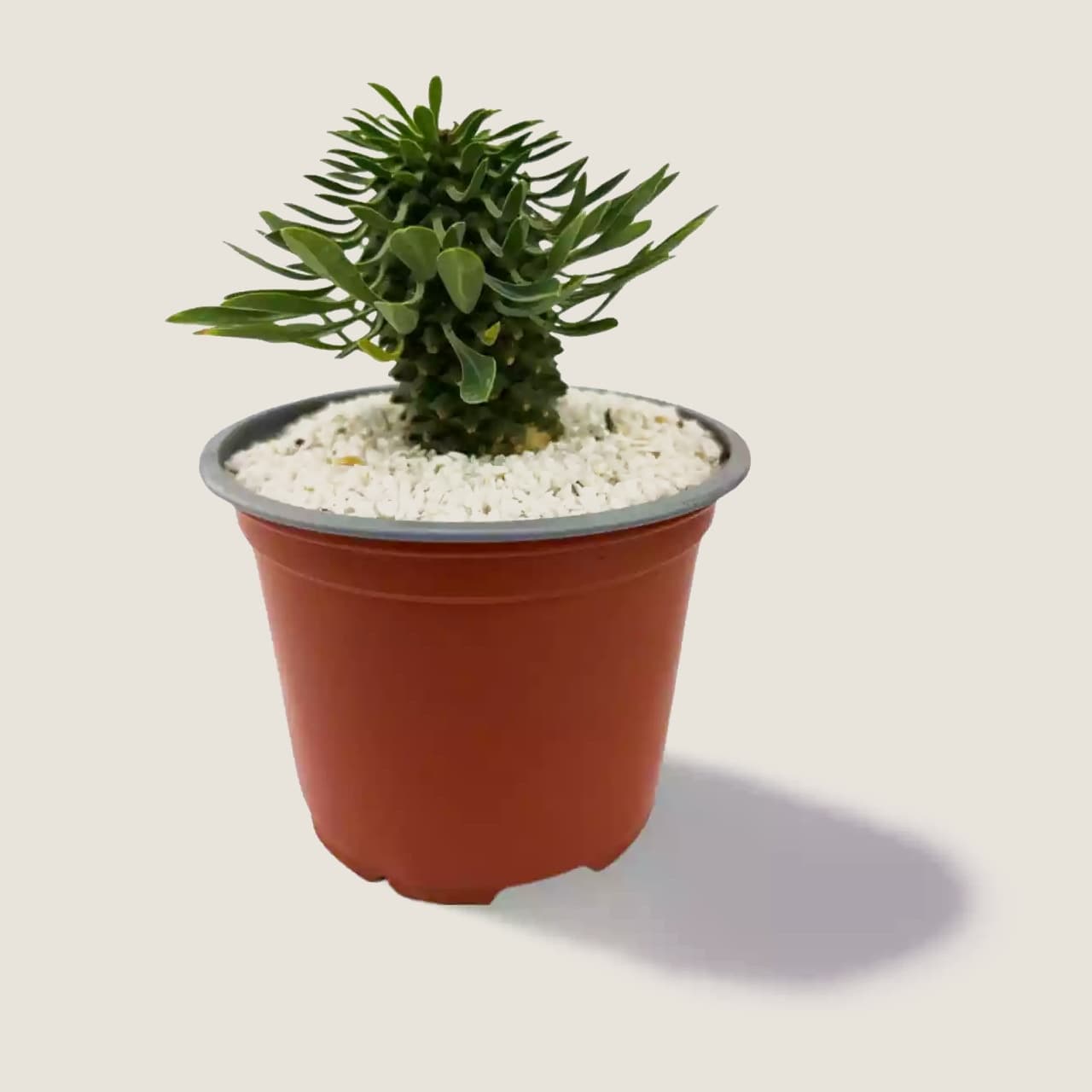
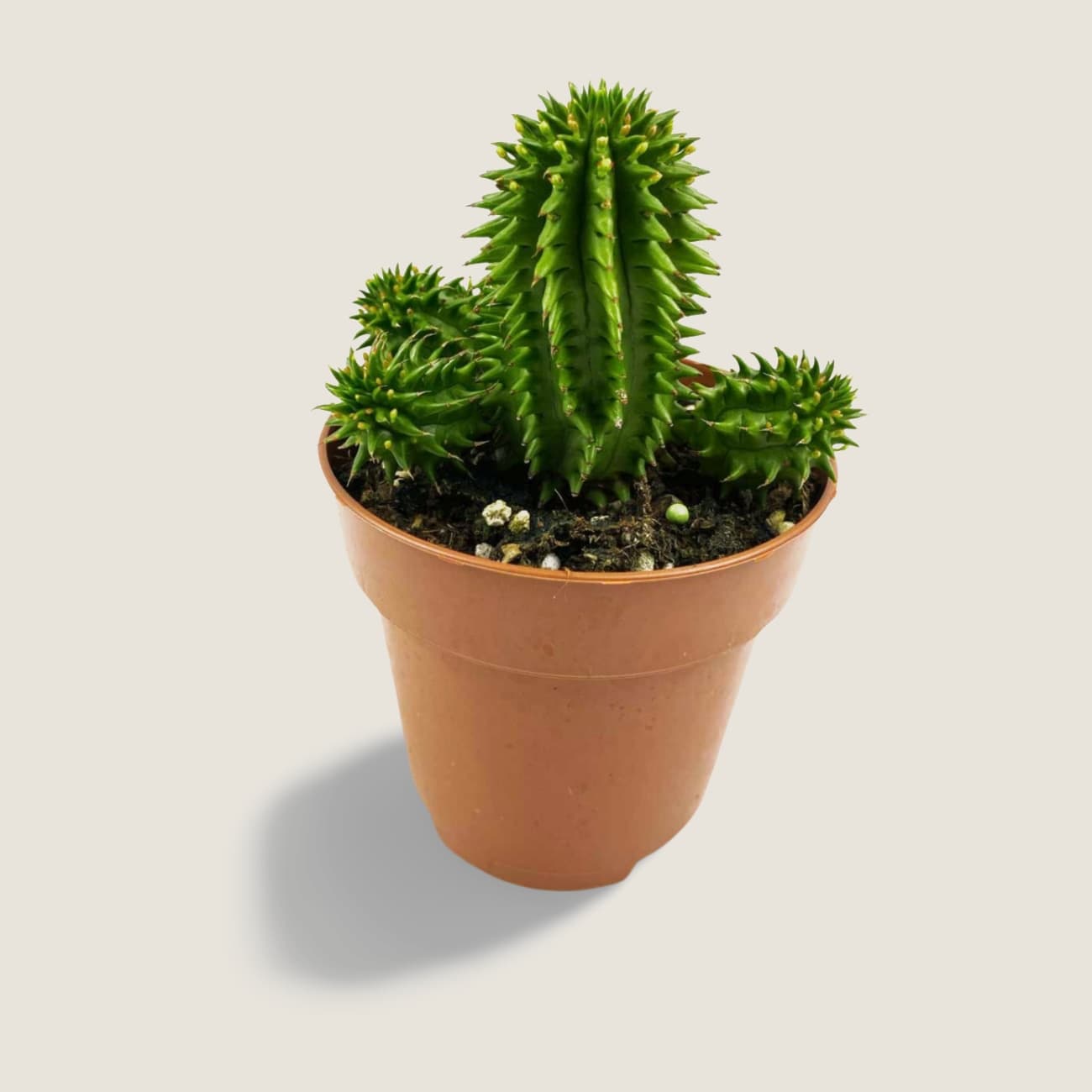
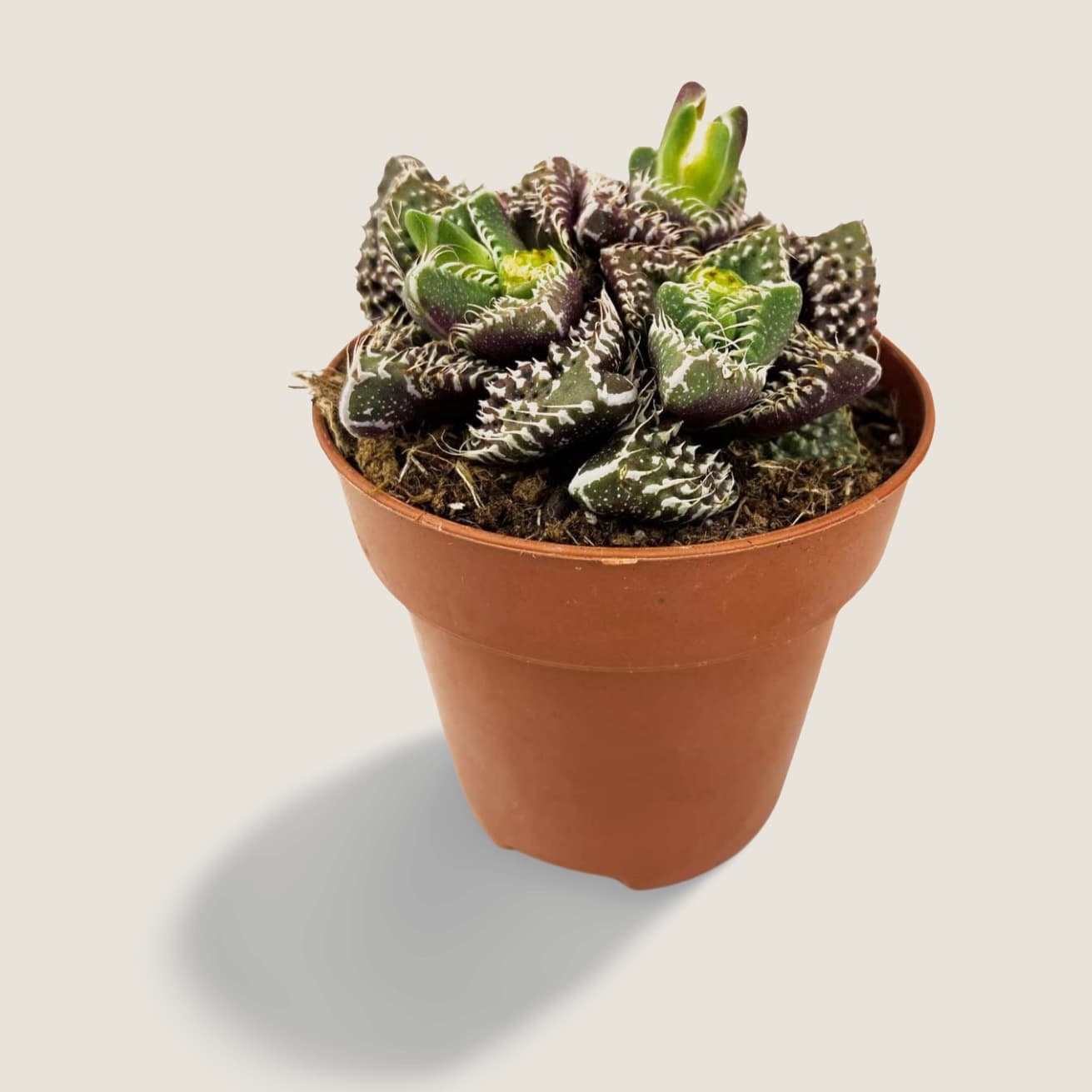
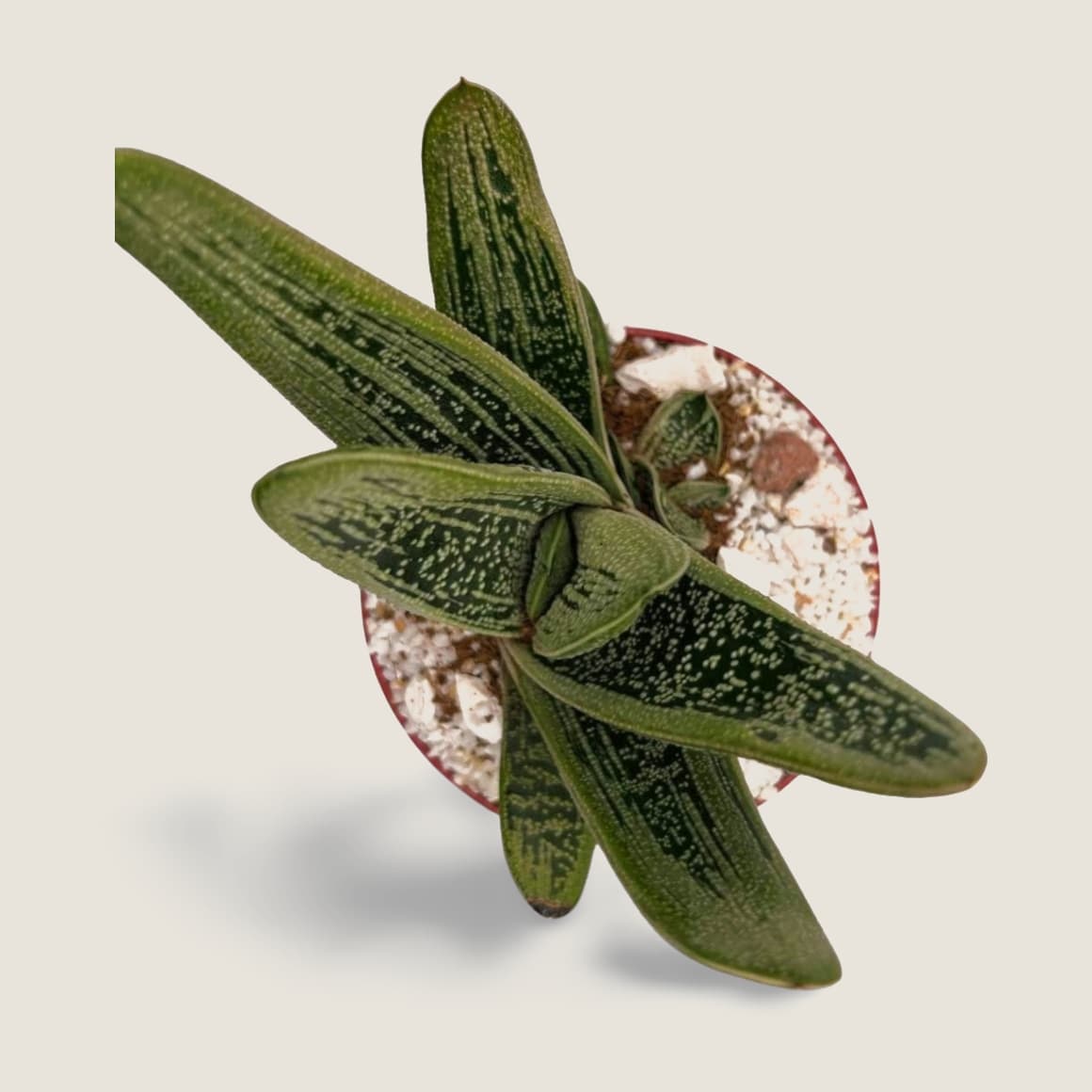
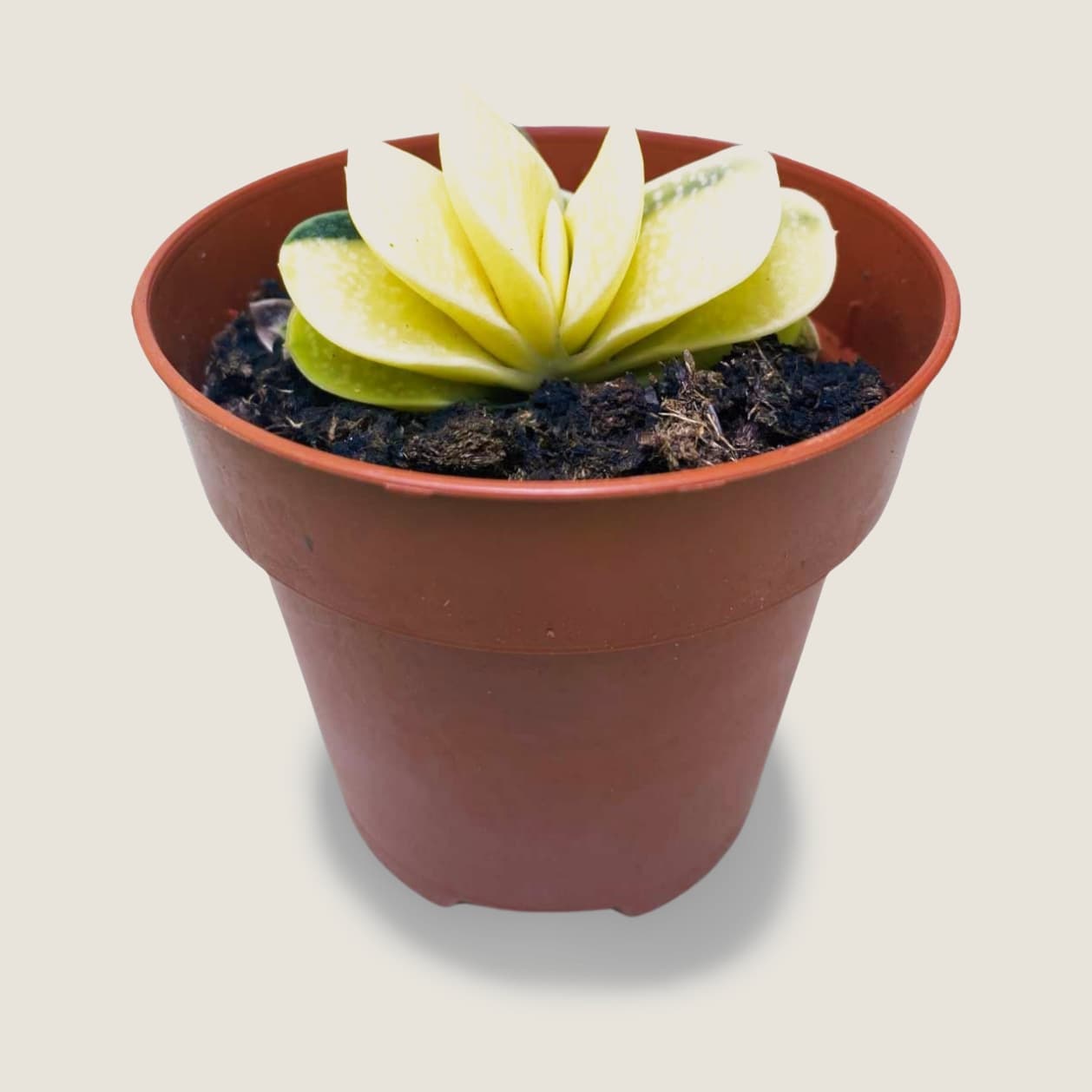
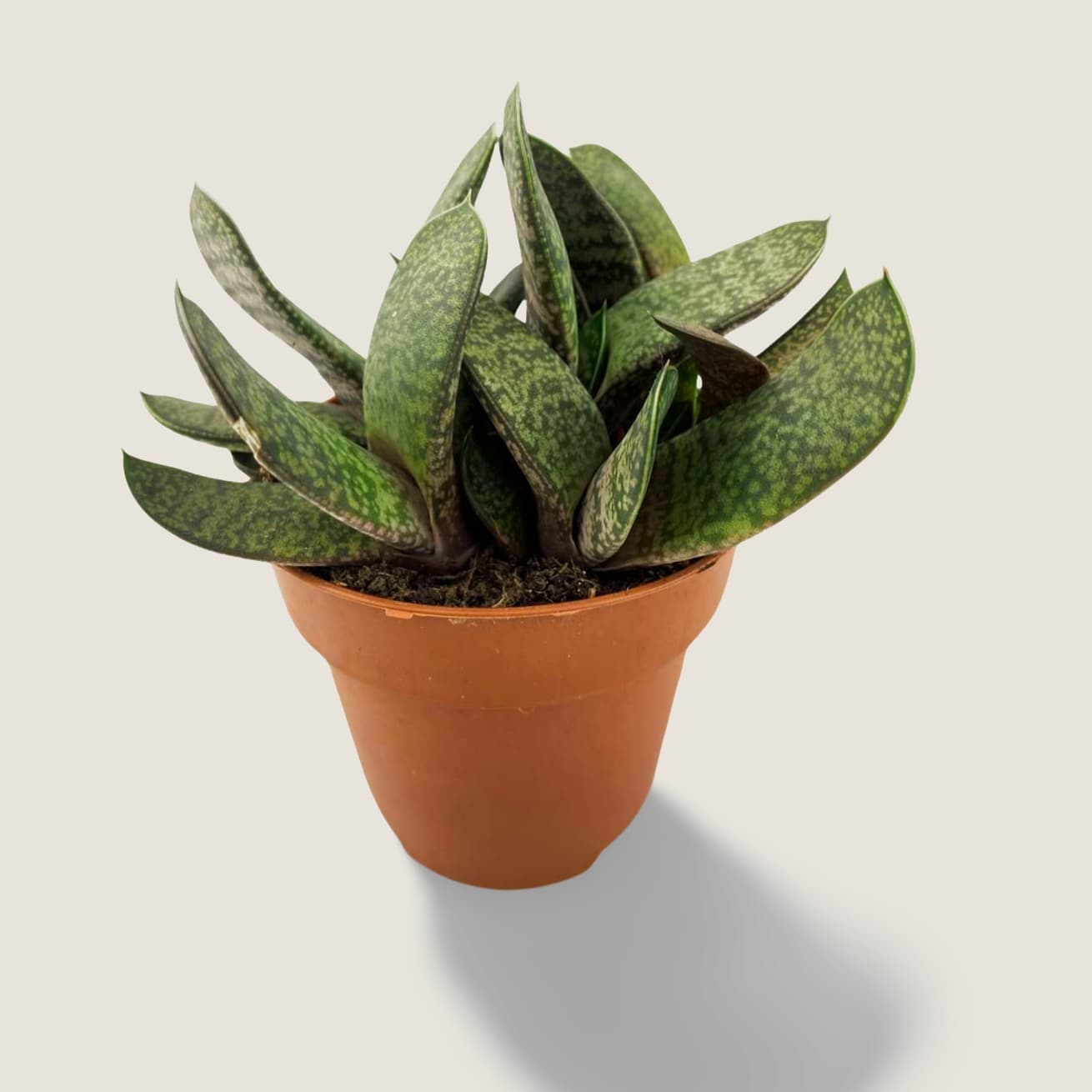
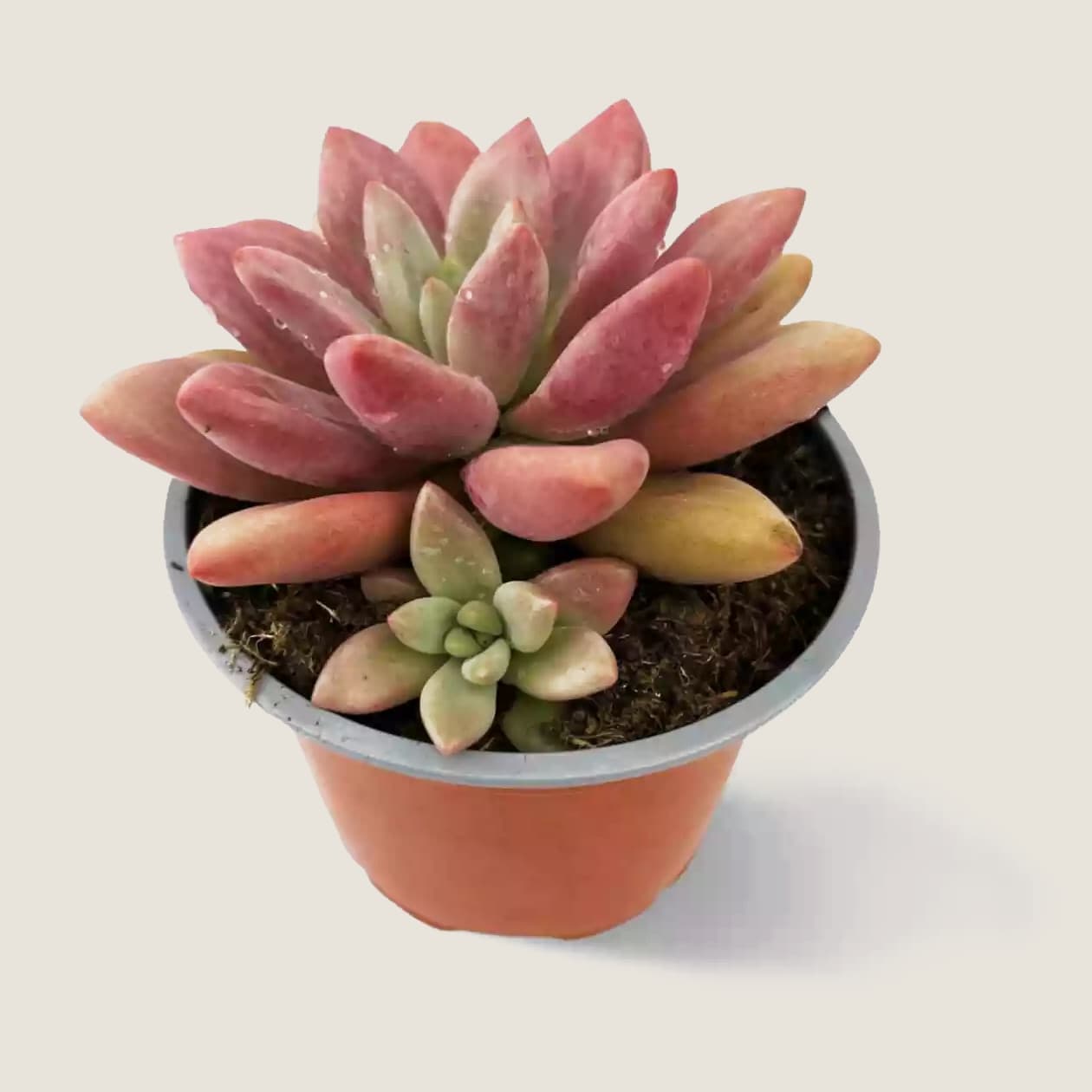
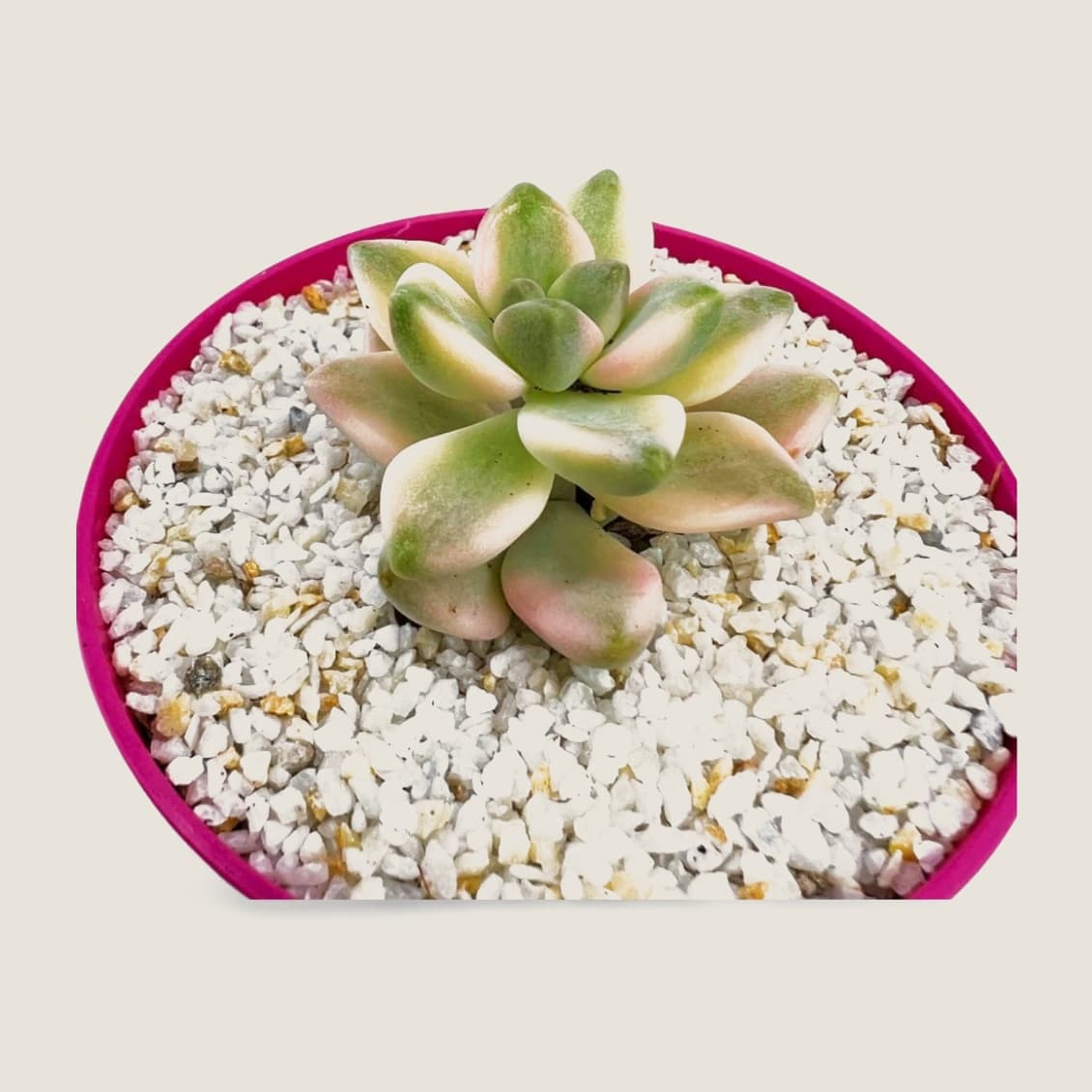
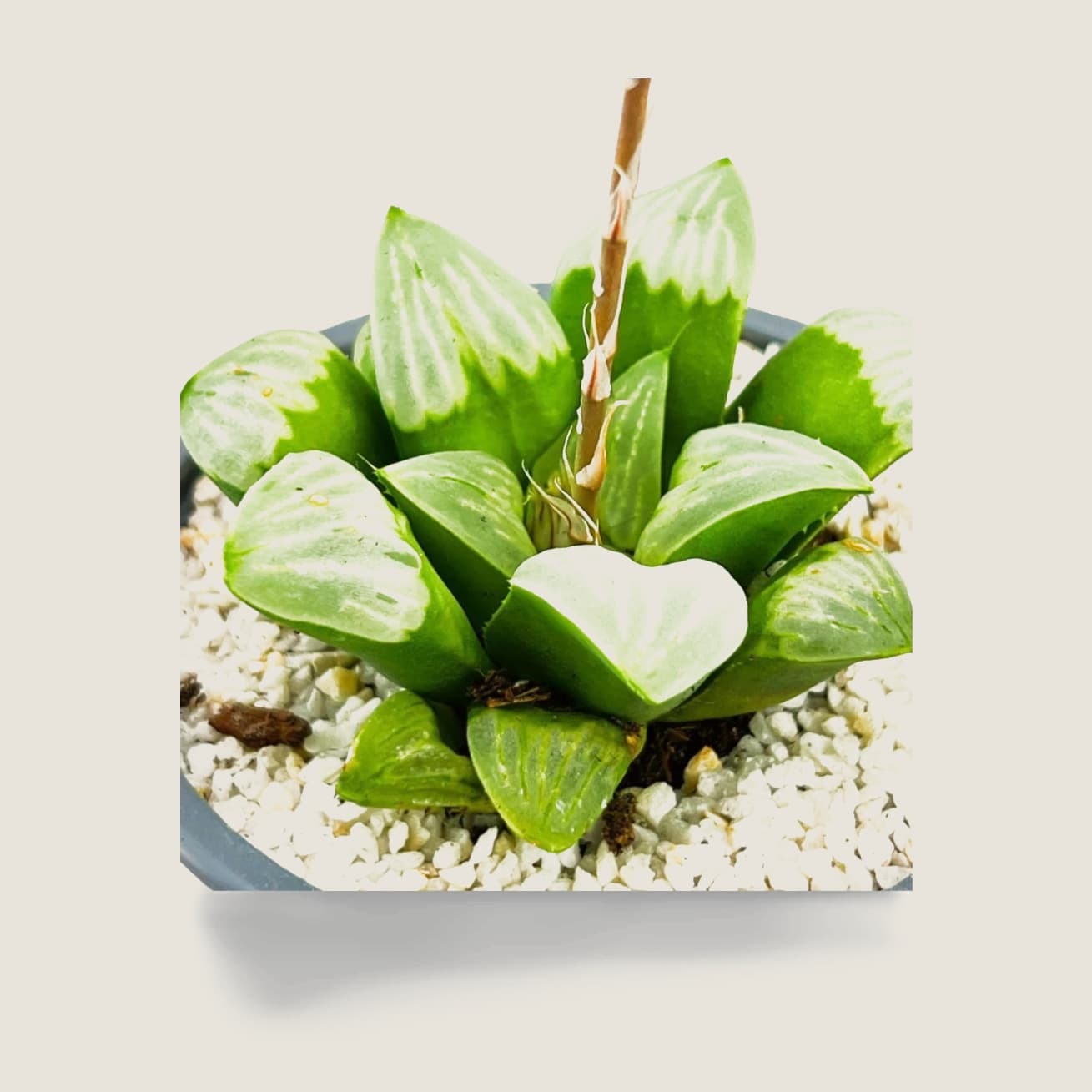
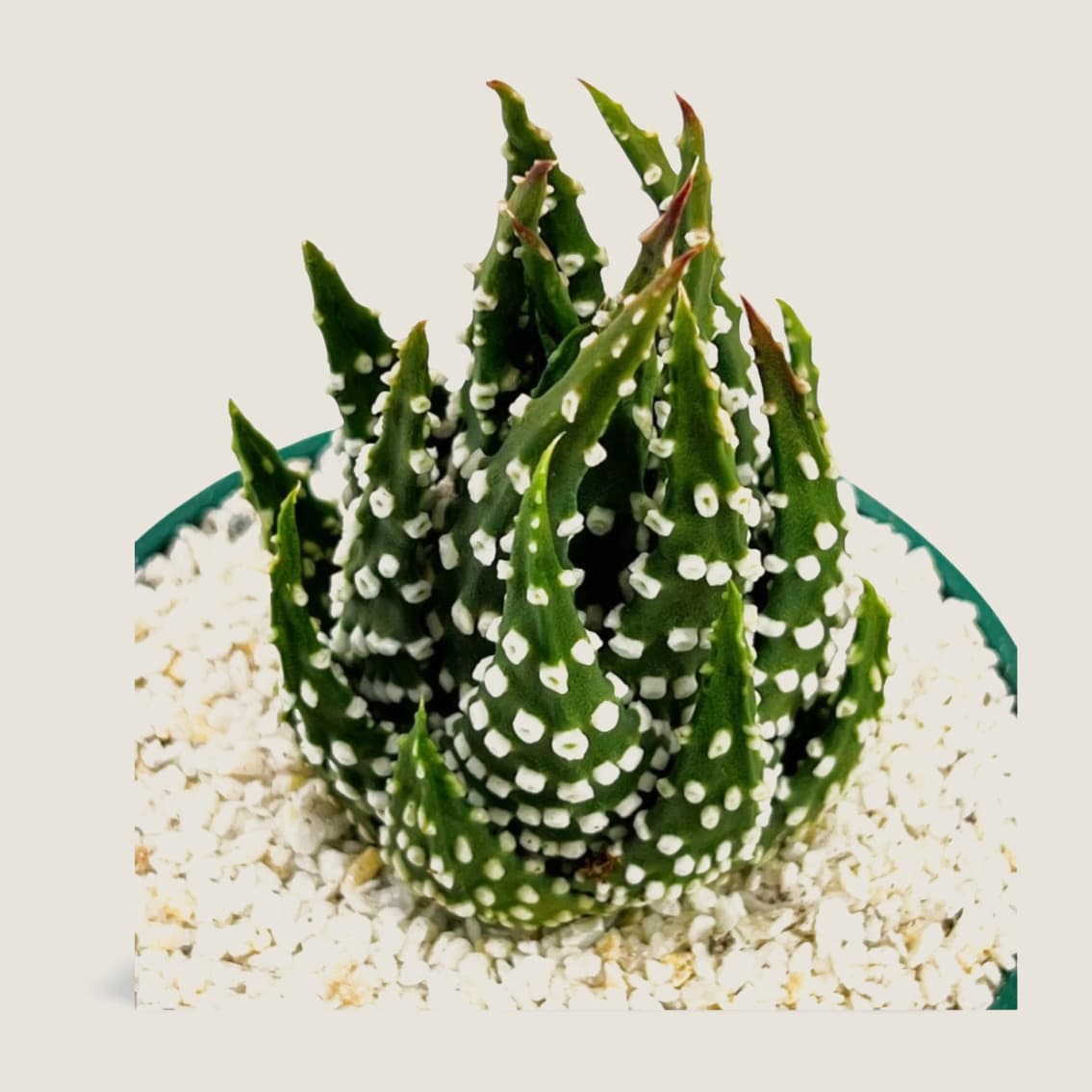
Whether you are searching for succulents for sale to start your first collection or looking for something unusual to add to an existing one, our succulent plants online cover every shape, colour and texture you can imagine — Echeveria rosettes, trailing Sedum, spiky Haworthia and many more. All of them share the same qualities: easy care, low water needs and plenty of personality on a windowsill or in the garden.
We ship carefully packaged succulents across Europe, so your new plant arrives safe and ready to pot. Browse our full selection and buy succulents today, straight from the growers.
What a succulent actually is
«Succulent» is not a plant family: it is a way of solving drought. Any plant that stores water in its tissue — leaf, stem or root — to survive months without rain gets the name. That solution has appeared independently in more than sixty unrelated plant families, which is why a Mexican Echeveria and a Canarian Aeonium look alike without being relatives.
Cacti are succulents too, even if they are usually sold separately. And the other way round: there are African euphorbias identical to a cactus that are nothing of the sort — you tell them apart by the white latex, which true cacti do not have.
Watering: soak it, then forget it
Too much water kills far more succulents than drought ever does. The rule that works for almost all of them is soak thoroughly, then leave it alone until the substrate is bone dry all the way through. In summer that may be every ten to fifteen days; in winter, almost never.
The plant tells you what is wrong, and the two signals are opposites: leaves that wrinkle and go slightly soft are thirsty and recover within a day. Leaves that go soft and translucent, almost see-through, have had too much water, and that does not come back. Always water at the base, never over the rosette: water trapped between the leaves rots the heart of the plant within days.
Light decides both shape and colour
A succulent in poor light stretches: the stem lengthens, the leaves space out and the compact shape is gone. It is called etiolation and there is no way back — the stretched part stays stretched for good. The only fix is to cut the top off, let the cut dry for a couple of days and replant it.
Colour works the same way. The reds, purples and pinks of succulents are anthocyanins, a pigment the plant makes as sunscreen when it takes in more light than it can use. That is why the pink plant you bought turns green in the living room: it is not ill, it is comfortable. Four to six hours of direct sun is the minimum for keeping the colour.
Substrate and pot
Use a mineral, fast-draining substrate: a commercial cactus mix with a good handful of perlite, pumice or coarse sand. Peat on its own holds too much water and causes half of all rot. The pot needs a drainage hole, no exceptions, and terracotta helps because it breathes and dries faster than plastic.
Never leave water in the saucer. If the pot stands in a puddle the roots suffocate, even when the top of the substrate looks dry.
They do not all grow in the same season
This is the part that catches people out, and it costs the most plants. Most succulents grow in spring and summer and rest in winter. But a large group does the opposite: Aeonium, Lithops and several Crassula grow in autumn and winter and stop in summer, because they come from Mediterranean climates rather than tropical desert.
An Aeonium in August closes its rosette and drops its outer leaves. It is not thirsty: it is resting. Watering it then to «save» it is the most common way of rotting it.
Which one for where you are putting it
Balcony or terrace in full sun: Echeveria, Sedum, Crassula and Aloe take it best and colour up most.
A very bright window indoors: Haworthia and Gasteria are the only ones that genuinely tolerate indirect light without stretching.
For collecting the unusual: Lithops, Euphorbia and Adenium, which ask for the most skill and give back the most.
A dim corner is not an option, however often these are sold as houseplants. No succulent lives well far from a window.
The mistakes that kill the most plants
- Watering a little and often. A splash every three days keeps the collar wet and the roots dry: the worst of both.
- Watering in winter as if it were summer. Cold plus wet substrate rots the roots beyond saving.
- Wetting the rosette. The water sits between the leaves and never evaporates.
- A pot with no drainage hole, however handsome it is.
- Buying for the colour and putting it in the shade. The colour is gone in three weeks.
Every plant on this page is grown outdoors at our nursery in Almería, in full sun and in mineral substrate. They arrive hardened to the open air, not to a heated greenhouse: short leaves, compact habit, and roots used to drying out.